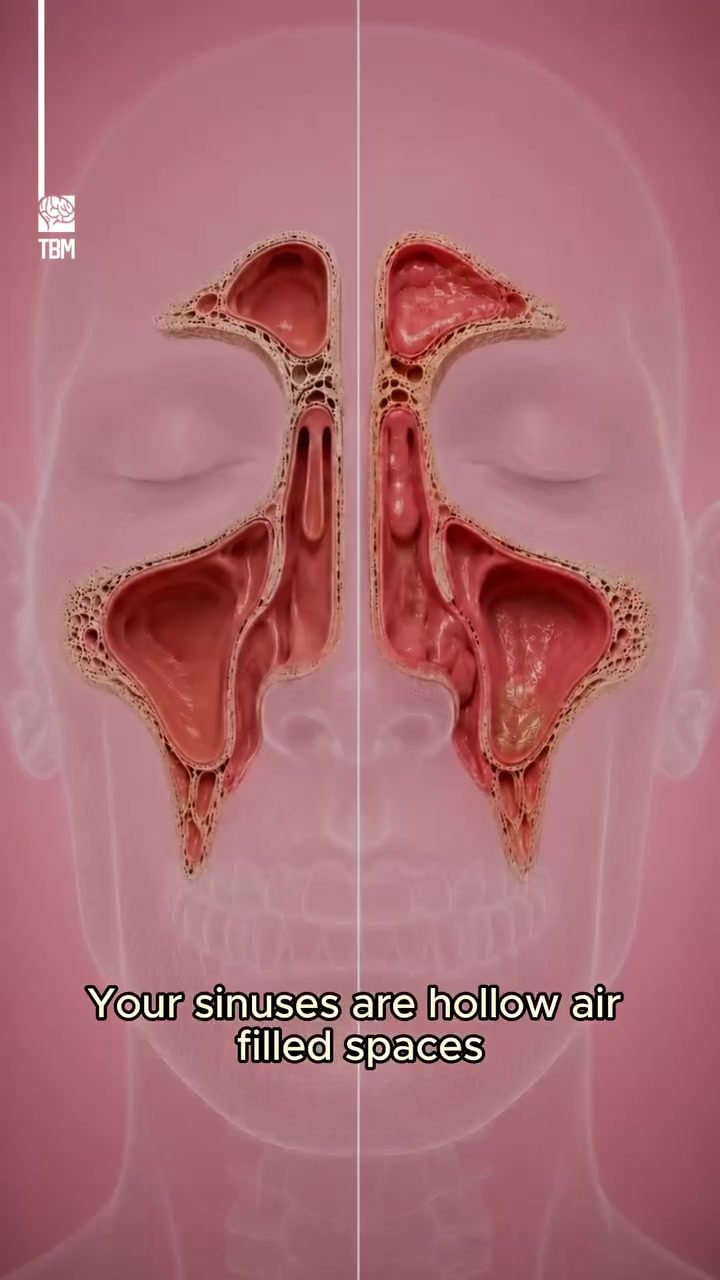
Sinuses: The Unseen Influencers of Your Voice
Sinuses are more than just empty spaces in your skull; they play a crucial role in shaping the sound, depth, and clarity of your voice. Understanding how sinuses influence your vocal resonance can provide insights into why your voice changes when you're congested and how your vocal system functions.
Why This Matters
The sinuses are integral to both breathing and vocal production. When your sinuses are functioning properly, they enhance the quality of your voice. Conversely, when they are blocked, your voice can sound muffled or nasal. Recognizing the role of sinuses in vocal resonance can help you better understand and manage changes in your voice, especially during illnesses or allergies.
The Role of Sinuses in the Vocal System
The Structure and Function of Sinuses
The sinuses are hollow, air-filled spaces hidden within the bones of your face and skull. Their primary function is to produce mucus, which traps dust, allergens, and microbes. This mucus also helps to warm and humidify the air you breathe, making it easier for your lungs to absorb oxygen. Additionally, sinuses contribute to the structure of the skull, making it slightly lighter.
Vocal Cords and Sound Production
When you speak, your vocal cords vibrate, creating sound waves. These waves travel through your throat, mouth, and nose, interacting with the air-filled spaces in your sinuses. The sinuses act as natural resonance chambers, subtly shaping certain sound frequencies. This interaction gives your voice more warmth, depth, and richness. Without the sinuses, your voice would still be produced, but a significant part of its natural acoustic system would be missing.
Understanding Voice Changes with Blocked Sinuses
When your sinuses are blocked due to a cold, allergies, or other conditions, the sound of your voice can change significantly. Swollen tissue and trapped mucus alter the way sound resonates in your sinuses, leading to a muffled, congested, or more nasal sound. This change occurs because the airborne waves that normally resonate in the sinuses are impeded, affecting the overall quality of your voice.
How Blocked Sinuses Alter Vocal Quality
- Muffled Sound: The trapped mucus and swollen tissue in your sinuses create barriers that prevent sound waves from resonating freely. This results in a muffled sound, as the normal resonance is disrupted.
- Congested Voice: The obstruction in your sinuses can make your voice sound congested, as if you're speaking through a blocked passage.
- Nasal Tone: The nasal passages are particularly affected when sinuses are blocked, leading to a more nasal tone. This happens because the sound waves are forced to resonate more in the nasal cavity rather than the sinuses.
Practical Tips to Manage Sinus Issues
Nasal Irrigation
Using a saline nasal spray or performing a nasal rinse can help clear out mucus and reduce inflammation in your sinuses. This can improve voice clarity by allowing sound waves to resonate more freely.
Humidification
Keeping your environment humidified can help soothe your sinuses and reduce congestion. A humidifier in your room can add moisture to the air, aiding in mucus thinning and easier breathing.
Stay Hydrated
Drinking plenty of fluids can help thin out the mucus in your sinuses, making it easier to clear. This can also improve voice clarity, as the mucus is less likely to obstruct sound waves.
Avoid Irritants
Exposing yourself to known irritants, like smoke or harsh chemicals, can further irritate your sinuses and exacerbate congestion. Minimizing exposure to these irritants can help maintain clear sinuses and a more resonant voice.
Important Takeaways
Sinuses play a multifaceted role in the human body, influencing not only breathing but also the quality of your voice. Understanding how your sinuses contribute to vocal resonance can help you manage voice changes during illness or allergy seasons. Practicing good sinus health habits can also enhance your vocal clarity and overall voice quality.
Conclusion
The sinuses are more than just air-filled spaces; they are essential components of your vocal system. By comprehending how sinuses shape your voice and recognizing the impact of congestion, you can better manage and maintain the quality of your voice. Keeping your sinuses clear and healthy can significantly improve your vocal resonance, ensuring that your voice remains clear, warm, and resonant.
Watch the Reel
Questions readers ask
How do sinuses act as natural resonance chambers for the voice?
Sinuses serve as natural resonance chambers by amplifying and enriching the sound produced by your vocal cords. When air passes through your sinuses, it enhances the depth and fullness of your voice, making it sound more resonant and nuanced.
Why does my voice sound different when I have a cold?
When you have a cold, your sinuses often become filled with mucus, blocking the natural pathways for air and sound. This congestion can make your voice sound muffled, nasal, or less clear, as the resonance chambers are not functioning optimally.
Can sinus issues affect singing performance?
Yes, sinus issues can significantly impact singing performance. Singers rely on their sinuses to enhance vocal resonance and projection. When sinuses are blocked, the voice may lack the desired richness and depth, leading to a less powerful and less expressive singing voice.
What can I do to clear my sinuses for better voice quality?
To clear your sinuses and improve voice quality, try steam inhalation, using a humidifier, or taking a hot shower to help loosen mucus. Nasal irrigation with a saline solution can also be effective. Staying hydrated and avoiding irritants can further support sinus health and vocal clarity.
How do sinuses influence the way we speak?
Sinuses play a crucial role in shaping the way we speak by influencing the resonance and clarity of our voice. They help to project sound more efficiently, giving your speech a clearer, more distinct quality. When sinuses are blocked, speech can sound muffled or less articulate.
Can sinus health impact voice depth?
Absolutely, sinus health directly impacts voice depth. Clear and open sinuses allow for better vocal resonance, enhancing the lower frequencies and adding depth to your voice. Conversely, blocked sinuses can make your voice sound thinner and less resonant, affecting its overall depth and richness.
How do I prevent sinus-related voice issues during allergies?
To prevent sinus-related voice issues during allergies, try to identify and avoid specific allergens. Regularly using nasal sprays or antihistamines as directed by a healthcare professional can also help. Maintaining good hydration and practicing good nasal hygiene can further support sinus health and maintain voice quality.
Related deep dives
Similar reads based on topic and creator.




Recent articles
Fresh deep dives from the latest Reels we unpacked.




Comments
Be the first to comment.