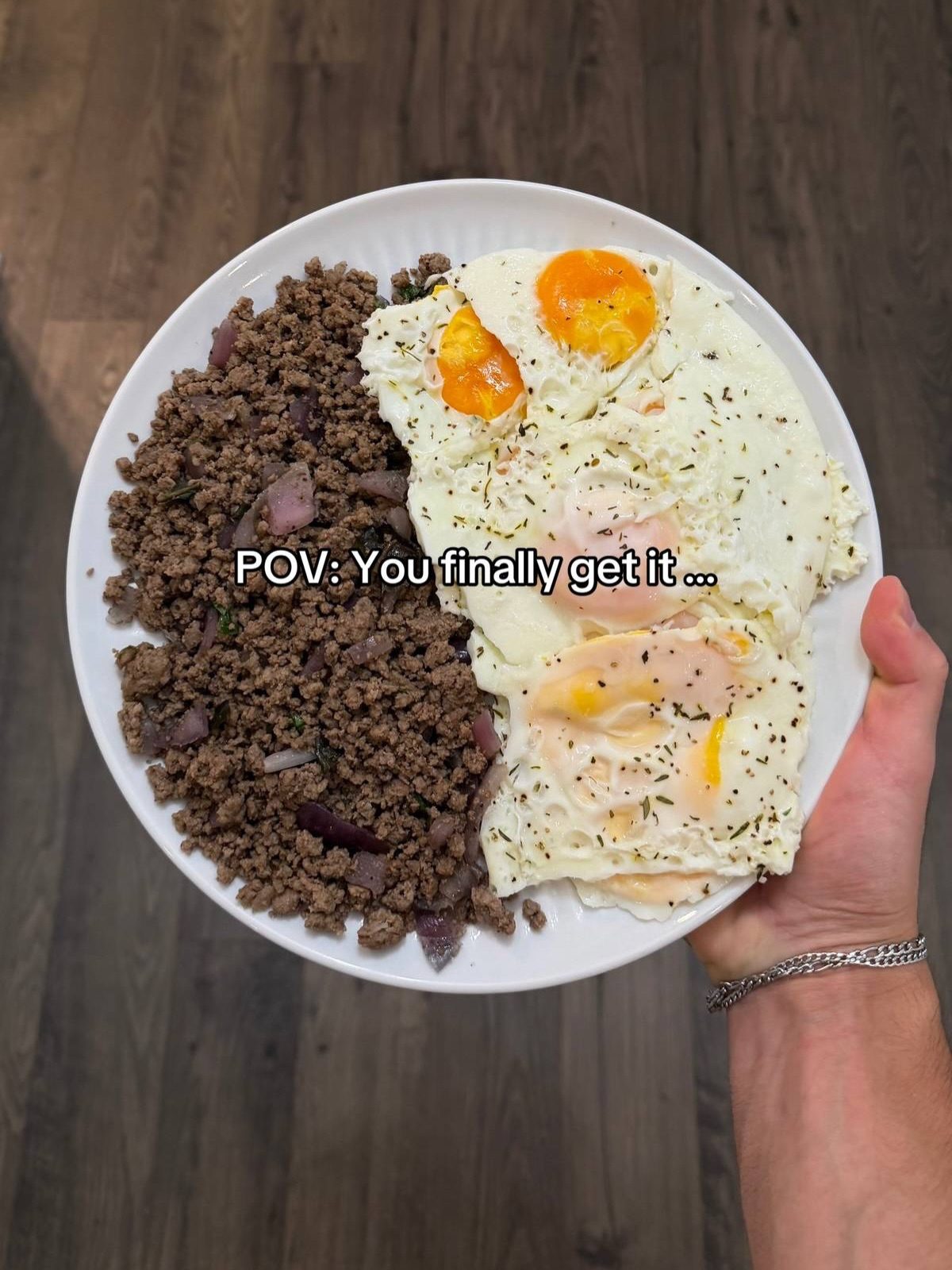
Meal prepping is a powerful approach to maintaining a healthy diet and achieving fitness goals. It involves planning and preparing meals in advance, which can save time, reduce impulsive eating, and ensure that you're consuming balanced, nutritious foods. Let’s dive into how this transformative habit can simplify your nutrition, boost your energy, and support your overall well-being. It’s time to finally get it… healthy meal prep isn't about punishment or tiny portions. It's about real, wholesome food.
Context / Why this Matters
Meal prepping allows you to take control of your nutrition by choosing the right ingredients. It eliminates the guesswork and ensures that you have healthy, balanced meals ready to go. By focusing on real food—whole ingredients, lean proteins, healthy fats, and complex carbohydrates—you can significantly improve your energy levels, mood, and overall performance. Meal prepping also helps in tracking your nutrition, which can be crucial for achieving specific goals like weight loss or muscle gain.
Main Discussion
The Basics of Meal Prepping
At its core, meal prepping involves planning your meals for the week and preparing them in advance. This can include cooking proteins, portioning out grains, and chopping vegetables. By doing this, you eliminate the need for last-minute decisions that often lead to less healthy choices. The key is to focus on whole, unprocessed foods that provide the nutrients your body needs.
Focus on Macros: Protein, Carbs, and Fats
A well-rounded meal should include a balance of protein, carbohydrates, and healthy fats. Protein is essential for muscle repair and growth, while carbohydrates provide the energy needed for workouts and daily activities. Healthy fats support brain function, hormone production, and overall health. A good example of a balanced meal is a meal prep container with rice, sweet potatoes, and chicken. This combination provides a mix of complex carbohydrates, lean protein, and healthy fats.
The Role of Meal Prep Containers
Meal prep containers are an integral part of this process. They allow you to portion out your meals in advance, making it easy to grab and go. Meal prep containers also ensure that you have the right amounts of each food group, helping you stay on track with your nutritional goals. Using containers that are durable, airtight, and microwave-safe can make the process even more convenient.
Incorporate Variety into Your Meal Plan
Variety is key to keeping your meal preps interesting and ensuring that you get a wide range of nutrients. This can include different types of proteins like ground meat, eggs, and chicken, as well as a variety of vegetables and fruits. A wooden board with various fruits and eggs is a great example of how you can incorporate different food items into your meal prep plan.
Tracking Your Nutrition
While the focus is on real food and whole ingredients, tracking your nutrition can be helpful. This can be done manually or with the help of a nutrition tracking app. Tracking allows you to see how your choices align with your goals and make adjustments as needed. For example, if your goal is to lose weight, tracking your calorie intake and macronutrient breakdown can provide valuable insights.
Apps like Workit offer data-driven nutrition insights that make it easier to achieve your health and fitness goals. The app tracks your daily goals and recalculates your calorie target based on your activity level and weight loss goals. It also provides a breakdown of your macronutrients, helping you stay on track with your protein, carb, and fat intake.
A sustainable goal should focus on maintaining a balanced diet that supports your overall health and fitness. This can involve small adjustments to your meal plan, like swapping processed sweets for fruits or adding honey as a natural pre-workout. Remember, the key is to make consistent, sustainable changes that you can stick with long-term.
Practical Tips
Start with a Plan
Before you begin, take some time to plan your meals for the week. Write out a grocery list and make sure you have all the necessary ingredients. This will save you time and ensure that you have everything you need.
Prep in Batches
Cooking in batches can save time and effort. For example, you can cook a large batch of rice, sweet potatoes, and chicken, and then portion them out into meal prep containers. This way, you have multiple meals ready to go for the week.
Choose the Right Containers
Invest in good-quality meal prep containers that are durable, airtight, and microwave-safe. This will make it easier to store and reheat your meals.
Focus on Whole Foods
Aim for whole, unprocessed foods that provide the nutrients your body needs. This includes lean proteins, complex carbohydrates, and healthy fats.
Incorporate Variety
Mix things up by incorporating a variety of proteins, carbohydrates, and fats. This will keep your meals interesting and ensure that you get a wide range of nutrients.
Important Takeaways
Meal prepping is about choosing real, whole foods that fuel your body and support your fitness goals. By focusing on lean proteins, complex carbohydrates, and healthy fats, you can significantly improve your energy levels, mood, and overall performance. A well-rounded meal prep plan should include a variety of foods and be tailored to your specific nutritional needs.
Tracking your nutrition can be helpful, but it’s not necessary. The key is to make consistent, sustainable changes that support your overall health and fitness. By doing so, you can achieve your goals and maintain a healthy lifestyle.
Conclusion
Meal prepping is a game-changer for anyone looking to simplify their nutrition and achieve their fitness goals. By focusing on whole, unprocessed foods and portioning out your meals in advance, you can save time, reduce impulsive eating, and ensure that you’re consuming balanced, nutritious foods. Don’t overthink it—just choose foods that fuel your body, workouts, sleep, mood, and recovery. Whether you’re lifting heavy, eating clean, or building healthy habits, meal prepping can help you get there.
Watch the Reel
Questions readers ask
What are the key benefits of meal prepping for weight loss?
Meal prepping helps control portion sizes, reduces the temptation of unhealthy food, and ensures that you are consuming the right nutrients and appropriate macronutrients for your weight loss goals. It also saves time and makes it easier to stick to a weight loss nutrition plan.
How do I start with meal prepping for weight loss?
Begin by planning your meals for the week, focusing on a balance of lean proteins, whole grains, healthy fats, and plenty of fruits and vegetables. Choose recipes that are easy to prepare in advance and that you enjoy eating. Invest in good storage containers to keep your meals fresh throughout the week.
Can meal prepping help with calorie tracking?
Yes, meal prepping can greatly simplify calorie tracking. By planning and prepping your meals in advance, you can accurately measure and portion your food, ensuring you stay within your daily calorie goals. This level of control is particularly useful for those following a structured weight loss meal plan.
What are some easy meal prep ideas for weight loss?
Some easy meal prep ideas include grilled chicken with roasted vegetables, quinoa bowls with mixed greens and a lean protein, or mason jar salads with a variety of colorful veggies and a protein of your choice. These meals can be prepared in bulk and stored in the refrigerator for the week.
How does meal prepping support overall well-being?
Meal prepping ensures that you consume a variety of nutrients, which can boost your energy levels, improve your mood, and support your immune system. By eating balanced, wholesome meals, you'll feel more satisfied and less likely to experience energy crashes or cravings for unhealthy foods.
Can meal prepping help with fitness goals beyond weight loss?
Absolutely, meal prepping is beneficial for various fitness goals. Whether you're aiming to build muscle, increase endurance, or simply maintain a healthy lifestyle, having pre-portioned, nutritious meals ready ensures you fuel your body correctly. This is crucial for recovery and performance.
How can I ensure my meal prep meals stay fresh?
To keep your meal prep meals fresh, use airtight containers and store them in the refrigerator. Some foods can be prepped and stored for up to a week, while others may need to be consumed within a few days. Freezing portions can also extend the shelf life of certain meals, making it easier to maintain a consistent meal plan.
Recent articles
Fresh deep dives from the latest Reels we unpacked.




Comments
Be the first to comment.