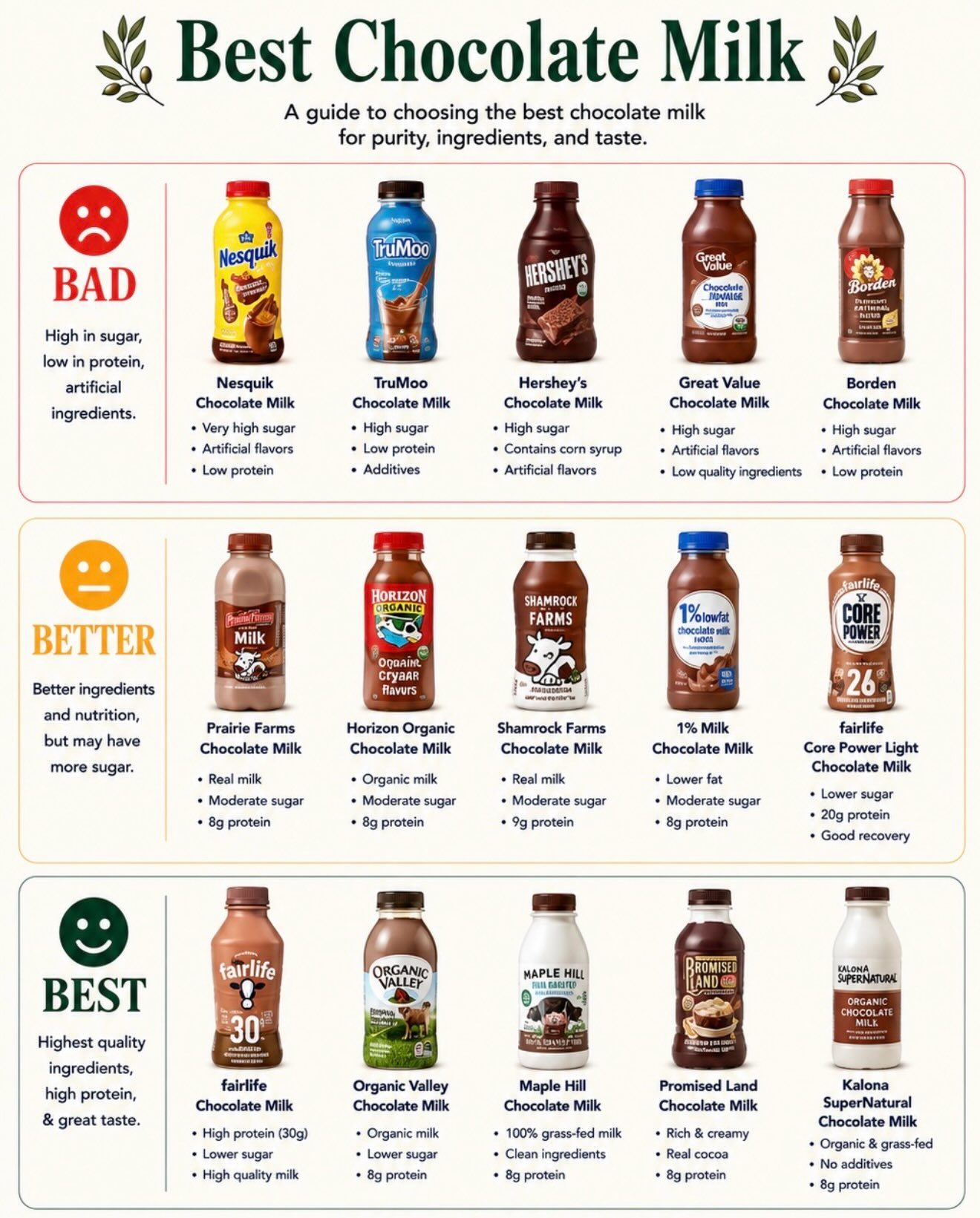
Making Smart Grocery Choices: How to Navigate "Healthy" Food Labels
Grocery shopping can be a challenge, especially when trying to pick truly healthy options. The goal isn't to be perfect—it's to learn how to spot better choices more often. Here's how to navigate the grocery aisles with confidence.
Why This Matters
Choosing the right foods can significantly impact your overall health and fitness goals. But with so many products claiming to be "healthy," it can be difficult to discern which ones are genuinely beneficial. The key is to look beyond the marketing and focus on the actual nutritional content.
Understanding Nutrition Labels
Short Ingredient Lists
One of the first things to look for is a shorter ingredient list. The fewer ingredients, the less likely the product is to contain unnecessary additives and preservatives. Opt for products with recognizable, whole-food ingredients.
Added Sugar
Added sugars can sneak into many products, even those that seem healthy. Aim for products with less added sugar. Remember that natural sugars found in fruits and dairy are generally better than refined sugars.
Sodium
Sodium is another common additive to watch out for, especially in sauces, marinades, and snack foods. High sodium intake can lead to various health issues, so opt for lower-sodium options whenever possible.
Protein and Fiber
Choosing products with more protein or fiber can help you feel fuller for longer, aiding in weight management and overall satisfaction. Look for these nutrients in items like whole grains, lean proteins, and plant-based foods.
Minimally Processed Foods
Plain or minimally processed options typically offer more control over flavor and nutrition. These products often have fewer additives and are closer to their natural state, making them a healthier choice.
Grocery Shopping Tips
Plan Ahead
Making a list before you go shopping can help you stay focused and avoid impulse buys. Include items that align with your nutritional goals and stick to it.
Read Labels
Don’t be swayed by packaging claims. Always read the nutrition labels and ingredient lists. Look for products with fewer, more recognizable ingredients and lower levels of sugar, sodium, and artificial additives.
Quality Over Convenience
Just because a product is convenient doesn't mean it's low quality. Opt for products that are simple, high-quality, and easier to fit into your goals. Pre-cut vegetables, for example, can be a convenient and healthy option.
Using the Workit App for Healthy Habits
The Workit app can be a valuable tool for staying consistent with your nutrition and fitness goals. It offers a variety of features to help you maintain a healthy lifestyle, from tracking water intake to providing access to workouts and nutritional information.
Water Intake Tracking
Keeping hydrated is crucial for overall health and performance. Workit allows you to track your daily water intake and set goals to ensure you're getting enough.
Goal Setting
Setting realistic goals is a key part of maintaining healthy habits. Workit lets you set specific goals, whether it's for water intake, exercise, or nutrition.
Balance Tracking
The app also helps you track your financial balance, ensuring that your healthy habits are sustainable and rewarding. The app's rewards system can motivate you to stick to your fitness and nutrition goals.
Workouts and Challenges
Workit provides access to a wide range of workouts and challenges, making it easier to stay active and engaged. Whether you're looking for high-intensity interval training (HIIT) or a relaxing yoga session, the app has something for everyone.
Nutrition Information
Getting the right nutritional information is essential for making informed food choices. Workit offers detailed nutrition information, helping you understand the impact of different foods on your health and fitness goals.
Important Takeaways
- Spot the Better Options: Learn to recognize healthier choices by focusing on shorter ingredient lists, lower added sugar, and reduced sodium.
- Prioritize Protein and Fiber: These nutrients can help you feel fuller and more satisfied, aiding in weight management.
- Choose Minimally Processed Foods: Opt for products that are closer to their natural state for better flavor and nutrition control.
- Plan and Prepare: Make a list before shopping, and read labels carefully to avoid impulse buys and misleading claims.
Conclusion
Navigating the grocery aisles and choosing truly healthy products can be challenging, but with the right knowledge and tools, it becomes much easier. By focusing on shorter ingredient lists, lower sugar and sodium content, and more protein and fiber, you can make smarter choices that support your goals. Using apps like Workit can further simplify the process, providing motivation and support for maintaining healthy habits. So, the next time you find yourself comparing labels, remember these tips and make choices that truly support your health and wellness.
Watch the Reel
Questions readers ask
What are the best ways to spot healthier food options while grocery shopping?
Focus on products with shorter ingredient lists, as they typically contain fewer additives and preservatives. Prioritize items with lower amounts of added sugars and sodium. Look for whole foods and minimally processed items.
How can I use nutrition labels to make better food choices?
Pay attention to the serving size and the number of servings per container. Look for key nutrients like fiber, protein, and healthy fats. Compare similar products and choose the one with the most beneficial nutritional profile.
What is the significance of added sugars on nutrition labels?
Added sugars are sugars and syrups that are added to foods or beverages during processing or preparation. They can contribute to various health issues if consumed in excess. Aim for foods with lower added sugar content, or choose foods with no added sugars when possible.
What role does sodium play in nutrition labels, and why should I monitor it?
Monitoring sodium is crucial because high sodium intake can lead to health problems like high blood pressure. Look for foods with lower sodium content, especially in processed foods. Opt for fresh, whole foods, which naturally have less sodium.
How can the Workit app assist in making better food choices during grocery shopping?
The Workit app can help you make better food choices by providing nutritional information and suggesting healthier alternatives. It can guide you through the grocery aisles, helping you to navigate food labels and ingredients, and find items that align with your health and fitness goals.
What are some tips for reducing added sugars in my diet through smarter grocery choices?
Focus on choosing whole, unprocessed foods. Avoid products with added sugars at the beginning of the ingredient list. Be wary of foods labeled as 'low-fat' or 'fat-free,' as they often contain added sugars to compensate for the loss of flavor. Use the Workit app to scan and compare products for lower sugar content.
How can I balance my grocery shopping with my workout and nutrition goals?
Plan your meals and snacks in advance to ensure you have the right foods on hand. Choose nutrient-dense foods that support your workout and recovery. Use the Workit app to track your nutritional intake and make adjustments as needed. Prioritize proteins, healthy fats, and complex carbohydrates to fuel your body effectively.
Recent articles
Fresh deep dives from the latest Reels we unpacked.




Comments
Be the first to comment.