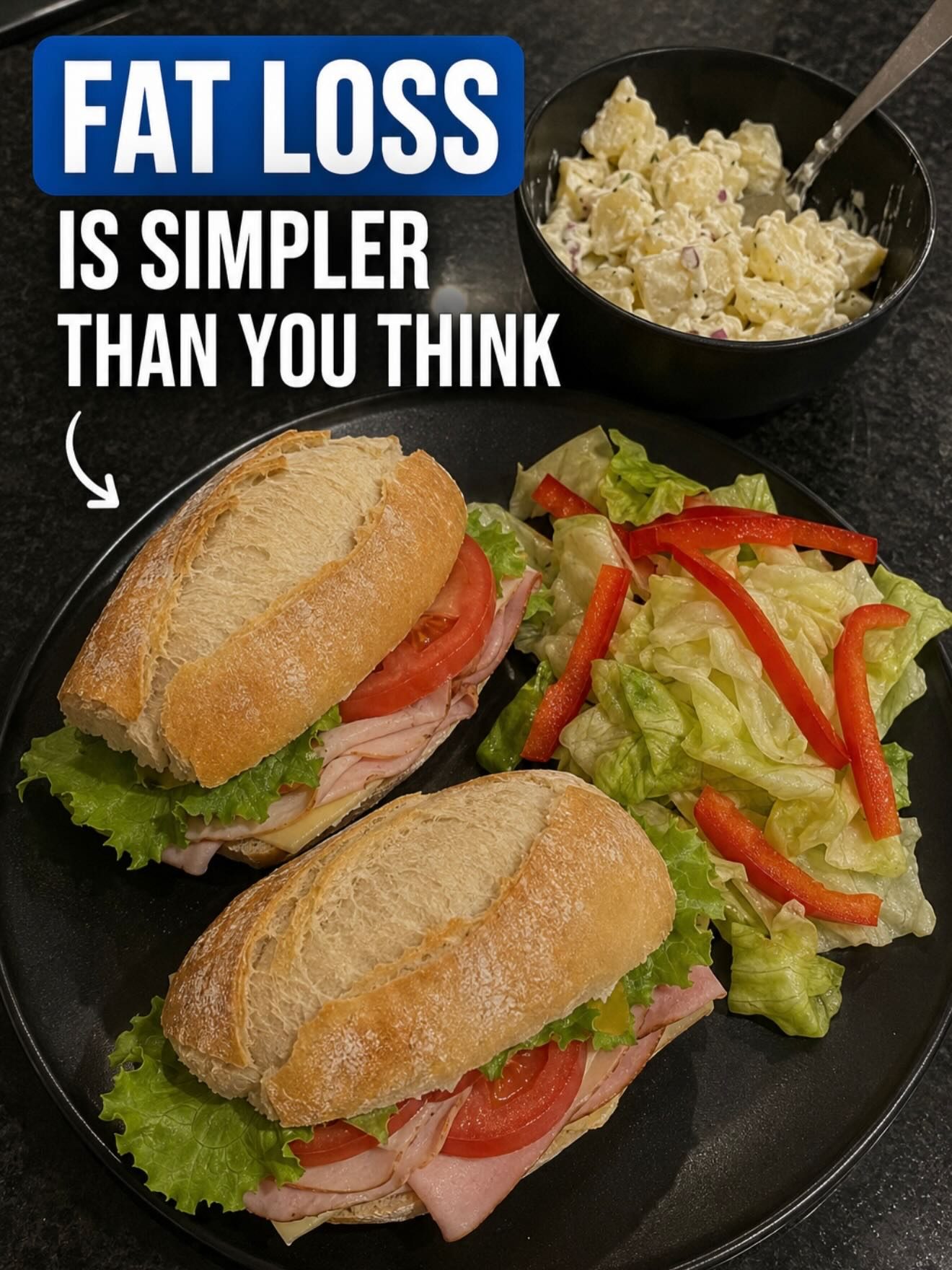
Fat Loss Simplified
Fat loss can often feel overwhelming, with countless diets, detoxes, and meal plans promising quick results. However, the truth is much simpler. Focus on the basics, and you'll find that fat loss doesn't need to be complicated. This approach emphasizes simple, repeatable habits that can make a significant difference in your journey.
Why This Matters
Understanding that fat loss is about consistent, simple habits can save time, reduce stress, and help you make sustainable changes. No one needs to follow a strict, perfect meal plan or rely on "magic foods" to achieve their goals. The key is to prioritize a few fundamental principles and stick to them.
The Basics of Fat Loss
Eat in a Calorie Deficit
A calorie deficit occurs when you consume fewer calories than your body burns. This is the fundamental principle behind fat loss. To achieve this, you don't need to count every calorie meticulously. Instead, focus on balanced meals that keep you full and satisfied.
Prioritize Protein
Protein is essential for building and maintaining muscle mass, which in turn helps boost your metabolism. Incorporate protein-rich foods into your meals, such as eggs, chicken, turkey, and Greek yogurt. These foods will help you feel fuller for longer, reducing the temptation to snack between meals.
Choose Foods that Keep You Full
Selecting foods that promote satiety is crucial for sticking to your calorie deficit. Foods high in fiber, like vegetables, salads, and fruits, can help you feel full without adding excess calories. Whole grains, such as toast, and healthy fats, like avocado, also contribute to feeling satisfied.
Build Meals You Enjoy
It's easier to stick to a diet when you enjoy the food you're eating. Instead of focusing on what you can't have, concentrate on building meals that you look forward to. This might include a sandwich with lettuce and vegetables, a plate of eggs, yogurt, and chicken, or a salad with your favorite toppings.
Stay Consistent
Consistency is key when it comes to fat loss. Aim to follow your healthy eating habits most days of the week. Allowing for occasional treats or off days can help you maintain a sustainable lifestyle without feeling deprived.
Use Lower-Calorie Sauces
Sauces and condiments can add a lot of calories to a meal without providing much nutritional value. Opt for lower-calorie options, such as Heinz 50% Less Sugar and Salt Tomato Ketchup, to keep your calorie intake in check.
Practical Tips for Simplified Fat Loss
Plan Your Meals
Meal planning can help you stay on track and avoid making impulsive, less healthy food choices. Dedicate some time each week to plan your meals, ensuring that you have all the necessary ingredients and are prepared to stick to your healthy eating habits.
Track Your Progress
Use tools like the Workit app to track your workouts, nutrition, and progress. The app offers features such as calorie tracking, water intake monitoring, and progress bars to help you stay motivated and accountable. Tracking your progress can provide valuable insights and keep you on track toward your goals.
Incorporate Variety
While sticking to simple meals is key, incorporating variety can help prevent boredom and ensure you're getting a wide range of nutrients. Experiment with different protein sources, vegetables, and healthy fats to keep your meals interesting and balanced.
Set Realistic Goals
Setting achievable goals is crucial for maintaining motivation and consistency. Instead of aiming for perfection, focus on making better choices often enough that they become your normal. This approach reduces the pressure to eat perfectly and allows for flexibility.
Important Takeaways
Fat loss can be simplified by focusing on a few basic principles:
- Eat in a calorie deficit.
- Prioritize protein.
- Choose foods that keep you full.
- Build meals you enjoy.
- Stay consistent.
By incorporating these principles into your daily habits, you can achieve sustainable fat loss without relying on complicated diets or "magic foods."
Conclusion
Fat loss doesn't have to be a complicated, overwhelming process. By focusing on simple, repeatable habits and making better choices often enough, you can achieve your goals and maintain a healthy lifestyle. Use tools like the Workit app to track your progress, and remember that consistency and balance are key to long-term success.
Watch the Reel
Questions readers ask
What does it mean to eat in a calorie deficit and why is it important for fat loss?
Eating in a calorie deficit means consuming fewer calories than your body burns each day. This is crucial for fat loss because it signals your body to use stored fat for energy, leading to weight loss over time. To create a calorie deficit, focus on portion control and choosing lower-calorie, nutrient-dense foods.
How does prioritizing protein aid in effective weight management?
Protein is essential for weight management because it helps to keep you full and satisfied, reducing overall calorie intake. It also helps to maintain lean muscle mass during fat loss, which is important for a healthy metabolism. Incorporate protein into every meal and snack, aiming for sources like lean meats, fish, eggs, dairy, and plant-based options such as beans, lentils, and tofu.
What are some easy ways to incorporate healthy foods into my daily meal prep?
Incorporating healthy foods into your meal prep can be simple. Start by planning your meals for the week and making a grocery list that includes plenty of vegetables, lean proteins, and whole grains. Prepare meals in advance, such as grilling chicken, cooking quinoa, or chopping vegetables, so that healthy options are readily available when you need them.
Is it necessary to follow a strict diet plan for sustainable weight loss?
No, a strict diet plan is not necessary for sustainable weight loss. Instead, focus on developing simple, repeatable habits. Aim to create a consistent calorie deficit, prioritize protein, and choose foods that keep you full. Small, consistent changes are more likely to lead to long-term success than extreme, restrictive diets.
How can I make fat loss tips part of my daily routine?
Making fat loss tips part of your daily routine involves incorporating them into your lifestyle gradually. Start by setting small, achievable goals, like drinking more water, adding more vegetables to your meals, or prepping meals in advance. Once these habits become second nature, you can build upon them, creating a sustainable weight management plan tailored to your needs.
What are some lower-calorie food options that can help with fat loss?
Lower-calorie food options that can aid in fat loss include leafy greens, cruciferous vegetables (like broccoli and cauliflower), lean proteins (such as chicken and fish), and whole grains (like brown rice and quinoa). These foods are high in fiber and nutrients, helping you feel full and satisfied while supporting your calorie deficit goals.
Why are quick, magic solutions often ineffective for long-term fat loss?
Quick, magic solutions are often ineffective for long-term fat loss because they typically involve extreme restrictions or unrealistic changes that are hard to maintain. These approaches can lead to short-term weight loss, but they rarely result in sustainable changes. Instead, focus on developing habits that you can stick to over time, such as creating a consistent calorie deficit and prioritizing protein.
Recent articles
Fresh deep dives from the latest Reels we unpacked.




Comments
Be the first to comment.