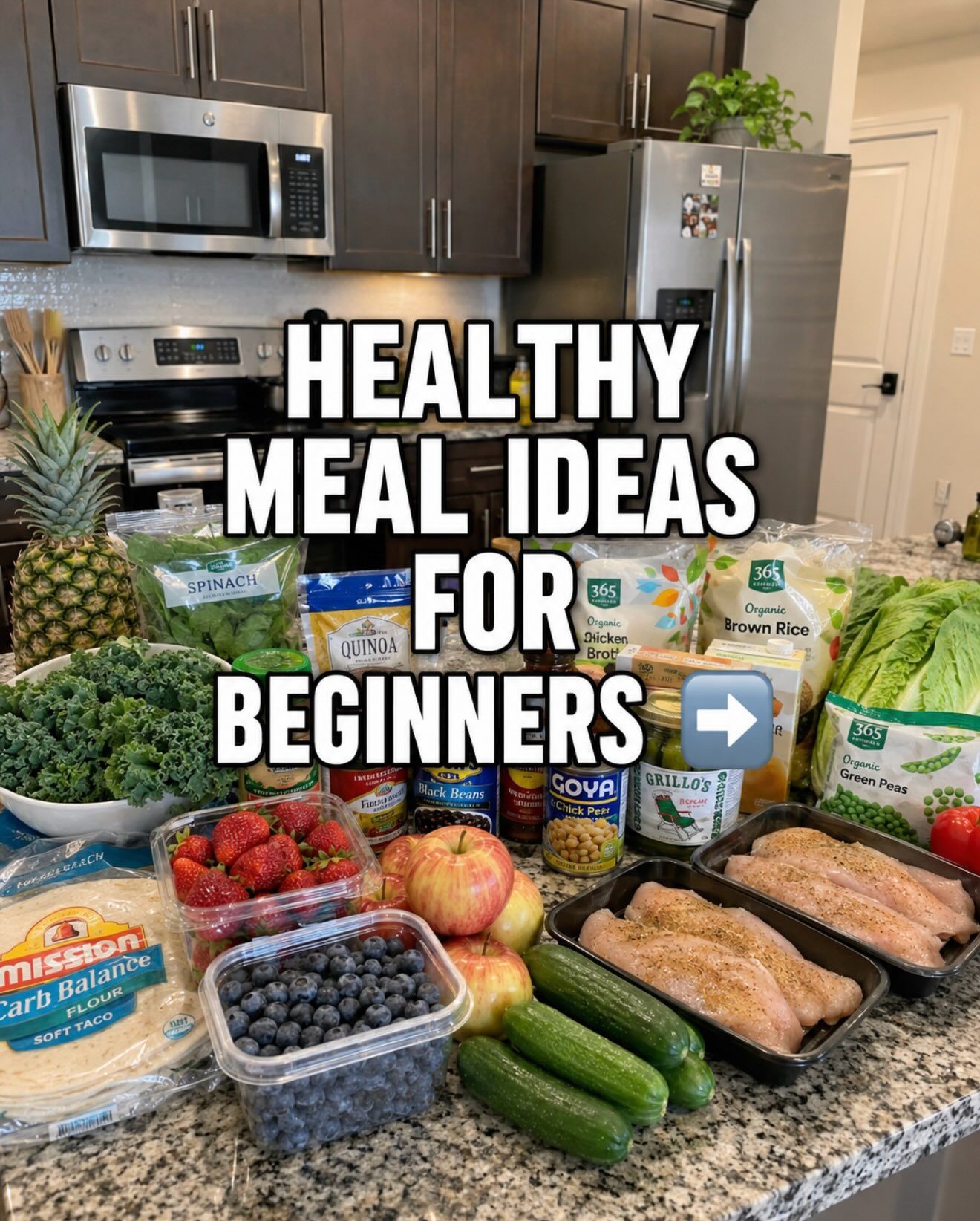
Building a Balanced Plate: Simple and Healthy Meal Ideas for Beginners
Eating healthy doesn't have to be complicated. In fact, for beginners, the best approach is to focus on building simple, balanced meals that can be easily repeated. Consistency is key, and this starts with creating meals that are not only nutritious but also enjoyable and easy to prepare.
Why This Matters
Having a few go-to meals can make a significant difference in maintaining a healthy diet. Many beginners find the idea of meal planning overwhelming, but by focusing on a few basic ingredients and simple recipes, you can create a variety of nutritious meals without feeling burdened. This approach helps in hitting your nutritional goals and staying on track with your overall health and fitness journey.
Main Discussion
The 3-Part Meal Framework
A simple way to make meals less overwhelming is to think in terms of three main components: protein, carbohydrates, and healthy fats plus fiber. This framework ensures that your meals are balanced and provide a wide range of essential nutrients.
-
Proteins: These are the building blocks of your body and help in muscle repair and growth. Good protein sources include chicken, salmon, eggs, yogurt, and shrimp. Including a protein source in each meal helps in keeping you full and satisfied.
-
Carbohydrates: Carbs provide energy and are essential for various bodily functions. Opt for whole grains and complex carbs like rice, potatoes, oats, bread, and fruit. These slow-release carbs help maintain steady energy levels throughout the day.
-
Healthy Fats and Fiber: Incorporating healthy fats and fiber into your meals aids digestion, keeps you full, and supports heart health. Good sources include avocado, peanut butter, vegetables, and berries. These foods also add flavor and texture to your meals, making them more enjoyable.
Easy Meal Ideas
-
Salmon, Rice, and Broccoli
- This classic combination is packed with protein, carbohydrates, and healthy fats. The broccoli adds fiber and a variety of vitamins and minerals.
-
Mini Pancakes with Blueberries and Peanut Butter
- Pancakes can be a delightful breakfast option. Using a pancake mix, eggs, and milk, create mini pancakes and top them with blueberries and a drizzle of slightly warmed peanut butter. This combo provides a balance of carbs, protein, and healthy fats. The recipe below is simple and perfect for beginners:
Ingredients:
- 1 cup pancake mix
- 1 egg
- 3/4 cup milk
- 1/2 tsp vanilla extract
- 2 tbsp peanut butter
- Optional: 1 tsp honey or maple syrup
Instructions:
- Mix the pancake batter until smooth.
- Add small spoonfuls of batter onto a lightly greased pan to create mini pancakes.
- Cook until bubbles form, then flip and cook until golden.
- Transfer the pancakes to a bowl.
- Top with blueberries.
- Warm the peanut butter slightly and drizzle over the pancakes.
- Add honey or syrup if desired.
Nutritional Information (per serving):
- Calories: 430
- Carbs: 42g
- Fat: 22g
Prep Time: 10 min
Cook Time: 15 min
-
Chicken, Potatoes, and Avocado
- A simple and satisfying meal that combines lean protein, complex carbs, and healthy fats. Season the chicken and potatoes to taste, and add some sliced avocado for a creamy finish.
-
Chicken, Rice, and Asparagus
- This meal is another excellent combination of protein, carbohydrates, and healthy vegetables. Asparagus adds a nutritious boost with its high fiber and vitamin content.
-
Avocado Toast with Eggs
- For a quick and nutritious breakfast, mash some avocado on toast and season with red pepper flakes. Add a side of scrambled eggs and sliced tomatoes for a balanced meal.
Starting Small
If you're new to meal planning, it's best to start small. Pick 2-3 breakfast ideas and 2-3 lunch/dinner options to begin with. Keep the ingredients simple and focus on repeating meals you enjoy. Consistency is more important than variety when you're just starting out. As you get more comfortable, you can gradually expand your meal repertoire.
Practical Tips
- Plan Ahead: Even if you're just picking a few go-to meals, planning them in advance can save time and reduce stress. Write down your meal ideas for the week and make a grocery list accordingly.
- Meal Prep: Spend a few hours one day a week to prep your meals. Cook proteins, chop vegetables, and portion out grains. This way, you'll have everything ready to go for the week.
- Stay Organized: Use a meal planning app or a simple notebook to keep track of your meals and grocery lists. This can help you stay on track and make the process more enjoyable.
- Listen to Your Body: Pay attention to how your body responds to different meals. If something doesn't agree with you, don't be afraid to make adjustments. Everyone's nutritional needs are unique.
Important Takeaways
- Simple and Balanced: Focus on creating simple, balanced meals with a variety of ingredients.
- Consistency over Perfection: Repeat meals you enjoy and focus on consistency rather than trying to make every meal perfect.
- Start Small: Begin with a few go-to meals and gradually expand your repertoire as you get more comfortable.
- Stay Organized: Use meal planning tools to keep track of your meals and stay on track with your nutritional goals.
Conclusion
Eating healthy doesn't have to be complicated, especially for beginners. By focusing on a few basic ingredients and simple recipes, you can create a variety of nutritious and enjoyable meals. Consistency is key, and with a few go-to meals, you can stay on track with your nutrition and fitness goals. Start small, stay organized, and listen to your body as you build healthy eating habits that last.
Watch the Reel
Questions readers ask
What are some easy ways to ensure my meals are balanced?
To create balanced meals, focus on combining proteins, carbohydrates, and healthy fats in each dish. For example, pair grilled chicken (protein) with quinoa (carbohydrates) and avocado (healthy fats). This approach ensures you're getting a mix of nutrients without overcomplicating your meal prep.
Can you suggest some simple, healthy breakfast ideas for beginners?
Start your day with healthy breakfast meals like Greek yogurt with mixed berries and a drizzle of honey, or try making healthy peanut butter pancakes for a protein-packed option. Avocado toast is another easy and nutritious choice; top it with a poached egg for added protein.
How can I make healthy meal planning less overwhelming?
Use healthy meal planning apps to simplify the process. These apps can help you organize your meals for the week, generate shopping lists, and provide easy meal recipes. Start with mini meal ideas that you can easily repeat throughout the week to build consistency.
What are some quick and healthy snack ideas for beginners?
Opt for simple healthy snacks like apple slices with almond butter, Greek yogurt with a handful of granola, or baby carrots with hummus. These snacks are easy to prepare and provide a good balance of nutrients to keep you energized between meals.
How can I incorporate more vegetables into my simple, healthy meals?
Add vegetables to your meals by including them in simple meals for weight loss. For instance, toss in a handful of spinach to your morning omelet, or add bell peppers and onions to your stir-fry. You can also make a simple side salad or roast vegetables like broccoli or Brussels sprouts to complement your main dish.
What are some tips for creating repeatable, balanced meals?
To create repeatable, balanced meals, choose a few go-to proteins (e.g., chicken, tofu, eggs), whole grains (e.g., brown rice, whole-wheat pasta), and healthy fats (e.g., olive oil, nuts). Mix and match these ingredients throughout the week to keep your meals interesting while maintaining a consistent nutritional balance.
Recent articles
Fresh deep dives from the latest Reels we unpacked.




Comments
Be the first to comment.