Silk Production: The Traditional Process of Creating Luxurious Silk
Silk, a fabric renowned for its softness and sheen, has been prized for centuries. The production of silk is a meticulous process that begins with silkworm cocoons. Understanding this process sheds light on the intricate journey from cocoon to the luxurious fabric used in high-end garments and accessories worldwide.
Why Silk Production Matters
Silk production is not just about creating a luxurious fabric; it's about understanding a craft that has been perfected over centuries. The process involves careful handling of delicate filaments, precise techniques, and a deep understanding of the natural properties of silk. This understanding is crucial for appreciating the value and craftsmanship behind silk products.
The Traditional Silk Production Process
Harvesting the Cocoons
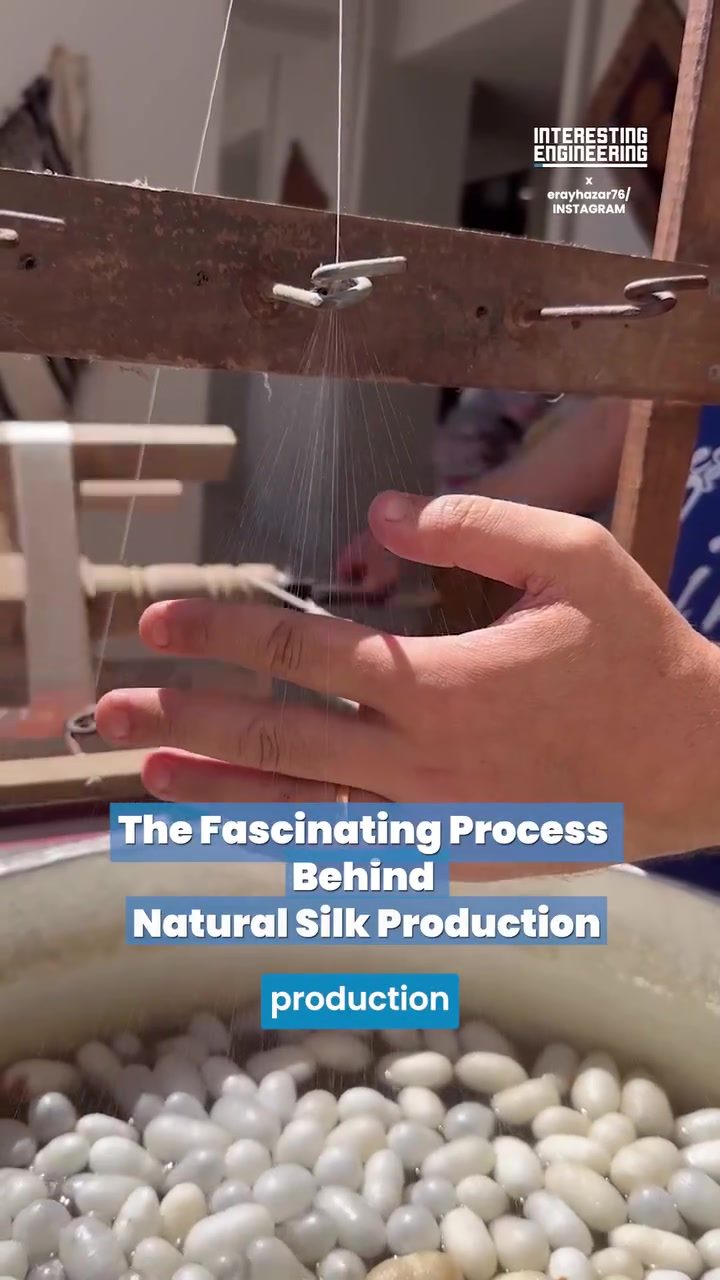
The journey of silk production begins with the harvesting of silkworm cocoons. These cocoons are carefully collected and then soaked in hot water. The heat from the water softens the natural sericin, a protein substance that binds the silk filaments together. This step is crucial as it allows the delicate filaments to be carefully unraveled.
Reeling the Silk
Once the sericin is softened, workers carefully reel the delicate filaments from the cocoons. This process involves combining several ultra-fine strands into a single, continuous thread. The reeling process is done with great precision to ensure that the filaments are not damaged. The resulting raw silk is then wound onto spools, ready for the next stages of production.
Processing the Raw Silk
The raw silk, now on spools, undergoes several stages of processing. This includes cleaning, twisting, dyeing, and weaving. Each of these steps is essential in transforming the raw silk into the luxurious fabric we know and love. The cleaning process removes any remaining sericin and impurities, while twisting adds strength and durability to the silk thread. Dyeing adds color and enhances the aesthetic appeal, and weaving turns the threads into the fabric.
The Role of the Production Machine
The silk production machine plays a pivotal role in this process. It is designed to carefully extract the silk threads from the cocoons, ensuring that the delicate filaments are not damaged. The machine works in conjunction with skilled workers who handle the silk with great care, combining the benefits of traditional craftsmanship with modern technology. This fusion of old and new techniques ensures that the silk produced is of the highest quality.
The Importance of Sericin
Sericin, the protein substance that binds the silk filaments together, plays a crucial role in the production process. It is what gives silk its natural sheen and lustre. During the reeling process, the sericin is carefully removed, but its presence is what makes silk such a coveted material. Understanding the role of sericin is essential for appreciating the unique properties of silk and the intricate process involved in its production.
Practical Tips for Understanding Silk Production
Observe the Process
One of the best ways to understand silk production is to observe the process firsthand. Visiting a silk production facility can provide valuable insights into the intricate steps involved. Watching the workers carefully reel the filaments, clean the silk, and weave the fabric can give a deeper appreciation for the craftsmanship behind silk.
Learn About the Tools
Understanding the tools used in silk production can enhance your appreciation for the process. The silk production machine, for example, is designed to carefully extract the silk threads without damaging them. Learning about the design and function of these tools can provide a deeper understanding of the production process.
Explore Different Types of Silk
Silk comes in various types, each with its unique properties. Exploring different types of silk, such as mulberry silk, tussah silk, and spider silk, can provide a broader understanding of the material. Each type has its unique characteristics and uses, making silk a versatile fabric.
Important Takeaways
The Art of Silk Production
Silk production is an art that combines traditional craftsmanship with modern technology. The process involves careful handling of delicate filaments, precise techniques, and a deep understanding of the natural properties of silk. This art has been perfected over centuries, resulting in a luxurious fabric prized worldwide.
The Role of Technology
Technology plays a crucial role in silk production, complementing traditional craftsmanship. The silk production machine, for example, is designed to carefully extract the silk threads, ensuring that the delicate filaments are not damaged. This fusion of old and new techniques ensures that the silk produced is of the highest quality.
The Value of Silk
Silk is more than just a fabric; it is a symbol of luxury and craftsmanship. Understanding the intricate process involved in its production can enhance your appreciation for this valuable material. From the careful reeling of the filaments to the precise weaving of the fabric, every step in the process is a testament to the art and skill of silk production.
Conclusion
The traditional process of silk production is a meticulous journey from cocoon to luxurious fabric. Each step, from harvesting the cocoons to weaving the fabric, requires precision and skill. Understanding this process sheds light on the craftsmanship and technology behind silk production. Whether you're a silk enthusiast, a fashion designer, or simply curious about the process, appreciating the intricate journey of silk production can enhance your understanding and appreciation of this valuable material.
Watch the Reel
Questions readers ask
What are the key steps involved in the traditional silk production process?
The traditional silk production process begins with cultivating silkworms and harvesting their cocoons. The cocoons are then heated in hot water to kill the pupae and loosen the filaments. The process of extracting and unwinding the silk filaments from the cocoons to create a single thread begins after the cocoons are dry. These threads are then spun together to create stronger threads suitable for weaving into luxurious silk fabric.
How is sericin removed from silk during production?
Sericin, the gummy substance that holds the silk filaments together, is removed through a process called degumming. This typically involves soaking the silk in hot water and sometimes adding chemicals to help dissolve the sericin. Degumming is a crucial step in silk production because it enhances the silk's natural luster and improves its feel.
Why is careful handling of silkworm cocoons important?
Careful handling of silkworm cocoons is vital because the silk filaments are extremely delicate. Improper handling can damage the filaments, reducing the quality of the final silk thread. The cocoons must be handled gently to preserve the integrity of the silk, ensuring the production of high-quality, luxurious fabric.
What techniques are used to extract silk filaments from cocoons?
The most common technique for extracting silk filaments from cocoons is known as reeling. This involves immersing the cocoon in hot water to loosen the filaments and then carefully unwinding them. The filaments are unwound together to form a single thread, which is then spun and woven into silk fabric. This process requires precise techniques and a deep understanding of silk's natural properties.
What happens to the silkworm pupae during the silk production process?
During the silk production process, the silkworm pupae are killed before the silk filaments can be extracted from the cocoons. This is typically done by heating the cocoons in hot water. The pupae are then discarded, as the focus is solely on harvesting the silk filaments to create luxurious fabric.
What are the natural properties of silk that make it a prized material?
Silk is prized for its natural softness, sheen, and durability. It has a unique ability to dye well and retains its luster, strength, and beauty. Silk also has a natural ability to regulate body temperature and is gentle on the skin, making it a highly sought-after material for high-end garments and accessories.
Can the silk production process be done sustainably?
While traditional silk production has a significant impact on the environment, there are efforts to make the process more sustainable. This includes reducing the use of chemicals in the degumming process, improving the efficiency of resource use, and exploring alternative methods for handling and extracting silk. Some producers also focus on preserving the silkworm pupae by allowing them to develop naturally, which can contribute to biodiversity.
Recent articles
Fresh deep dives from the latest Reels we unpacked.




Comments
Be the first to comment.