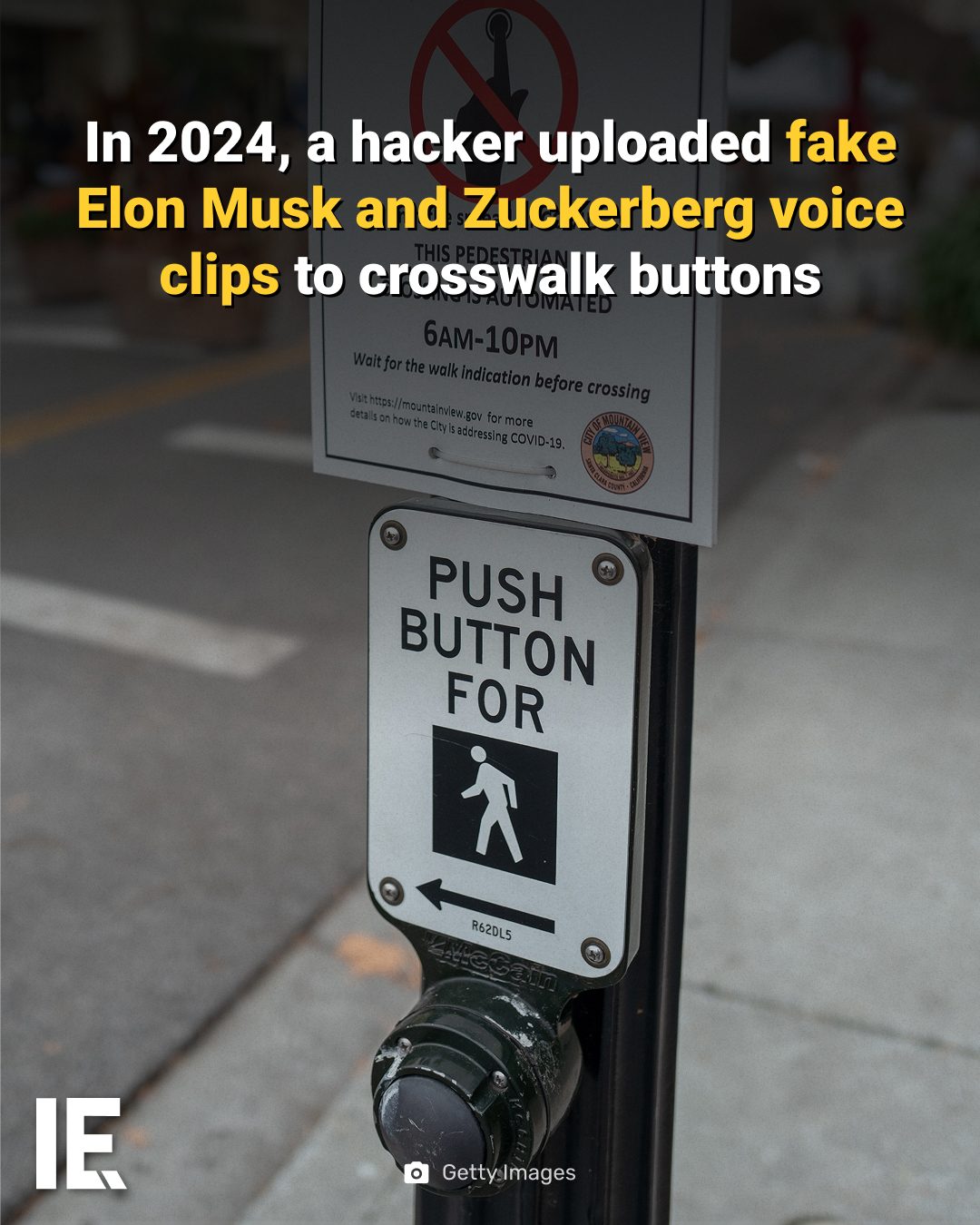
Pedestrian Crosswalk Buttons and Cybersecurity Risks
Pedestrian crosswalk buttons are a common sight in urban infrastructure, but their interaction with modern technology makes them susceptible to cybersecurity risks. In April 2024, an incident in Silicon Valley highlighted these vulnerabilities when hackers managed to upload fake audio clips to roughly 20 crosswalk buttons using a publicly available Bluetooth app and a default password of "1234". The affected cities lacked cybersecurity requirements in their contracts with the button manufacturer, leaving a gaping hole in their cybersecurity posture.
Why This Matters
As urban infrastructure becomes increasingly connected, the risk of cybersecurity breaches grows. Pedestrian crosswalk buttons, which are part of a broader network of Internet of Things (IoT) devices, can be particularly vulnerable due to their widespread presence and often simplistic security protocols. The incident in Silicon Valley, which has since spread to Seattle and Denver, underscores the importance of robust cybersecurity measures in protecting public infrastructure. The affected crosswalk buttons lack cybersecurity protocols, which underscores the need for more stringent requirements in their contracts.
Understanding the Risks
Lack of Cybersecurity Protocols
The Silicon Valley incident exposed a significant gap in the security protocols of pedestrian crosswalk buttons. The fact that a default password of "1234" was used highlights a basic but critical oversight. Default passwords are easily guessable and provide a straightforward entry point for malicious actors. This lack of security raises questions about the oversight in manufacturing and contracting processes. The default password issue is exacerbated by the fact that no cybersecurity requirements were included in the contracts with the button manufacturer.
The Role of Bluetooth Connectivity
Bluetooth connectivity is a common feature in modern pedestrian crosswalk buttons, enabling remote updates and management. However, this convenience also introduces vulnerabilities. Publicly available Bluetooth apps can be exploited to upload unauthorized content, as demonstrated in the Silicon Valley hack. The ease with which hackers can access and manipulate these devices underscores the need for more robust security measures, such as encrypted connections and stronger authentication protocols.
Spread to Other Cities
The initial incident in Silicon Valley has since spread to other major cities, including Seattle and Denver. This geographical expansion highlights the potential for widespread impact and the need for immediate and unified action. The lack of coordinated cybersecurity measures across different regions leaves the infrastructure vulnerable to similar attacks. The incident underscores the interconnected nature of urban infrastructure and the need for comprehensive security solutions.
Practical Solutions
Strengthening Contracts
One of the most immediate steps cities can take is to strengthen their contracts with manufacturers of pedestrian crosswalk buttons. Including explicit cybersecurity requirements can help ensure that these devices are equipped with the necessary protections. This includes mandating encrypted connections, regular security updates, and more robust authentication methods.
Regular Security Audits
Regular security audits are critical in identifying and mitigating potential vulnerabilities. These audits should be conducted not only by the manufacturers but also by independent cybersecurity experts. This dual approach can provide a more comprehensive assessment of the security landscape and help identify areas for improvement.
Public Awareness and Training
Public awareness and training programs can also play a crucial role. Educating city officials and the public about the importance of cybersecurity in everyday infrastructure can help foster a culture of vigilance. Regular training sessions for city employees on identifying and reporting potential security threats can further enhance the overall security posture.
Important Takeaways
The incident in Silicon Valley serves as a wake-up call for cities around the world. Pedestrian crosswalk buttons, like many other IoT devices, are not immune to cybersecurity risks. The lack of robust security protocols and the ease with which these devices can be hacked highlight the need for immediate action. Cities must prioritize cybersecurity in their infrastructure contracts, conduct regular security audits, and foster a culture of awareness and vigilance. By doing so, they can better protect their urban infrastructure from potential threats and ensure the safety and security of their residents.
Conclusion
Pedestrian crosswalk buttons are an essential part of urban infrastructure, but they come with inherent cybersecurity risks. The incident in Silicon Valley, which has since spread to other cities, underscores the need for stronger security measures. By including cybersecurity requirements in contracts, conducting regular audits, and fostering public awareness, cities can better protect their infrastructure and ensure the safety of their residents. As urban areas continue to embrace technology, it is crucial to prioritize cybersecurity to safeguard against potential threats.
Watch the Reel
Questions readers ask
What makes pedestrian crosswalk buttons vulnerable to hacking?
Pedestrian crosswalk buttons are vulnerable due to outdated security measures and default passwords, such as '1234.' These easy-to-guess credentials make it simple for hackers to gain unauthorized access. Additionally, many municipalities lack strict cybersecurity requirements for the manufacturers of these devices, which exacerbates the problem.
What happened in the April 2024 incident in Silicon Valley?
In April 2024, hackers exploited a security flaw in Silicon Valley's crosswalk buttons. Using a publicly accessible Bluetooth app and the default password '1234,' they managed to upload fake audio clips to approximately 20 crosswalk buttons. This incident underscored the urgent need for enhanced cybersecurity protocols in urban infrastructure.
How do default passwords contribute to cybersecurity risks?
Default passwords, like '1234,' are a significant cybersecurity risk because they are easy to guess or find. Hackers can exploit these weak credentials to gain unauthorized access to devices, potentially compromising the entire system. Changing default passwords to strong, unique ones is a crucial first step in securing devices.
What role do municipalities play in securing crosswalk buttons?
Municipalities are responsible for ensuring that the devices they deploy, such as crosswalk buttons, are secure. This includes enforcing strict cybersecurity requirements in their contracts with manufacturers, requiring regular software updates, and implementing strong password policies. By taking these steps, cities can significantly reduce the risk of cybersecurity breaches.
What are the potential consequences of hacked crosswalk buttons?
Hacked crosswalk buttons can cause more than just disruption; they can pose significant safety risks. Malicious actors could potentially manipulate traffic signals, leading to accidents or creating a chaotic environment. Additionally, compromised buttons could be used as entry points to infiltrate and disrupt other connected urban infrastructure, causing broader disruptions to city services.
How can cities improve the security of their urban infrastructure?
Cities can enhance the security of their urban infrastructure by implementing robust cybersecurity protocols, regularly updating software, and conducting routine security audits. Additionally, investing in devices with built-in security features and ensuring that manufacturers adhere to high cybersecurity standards can help protect against potential breaches.
Related deep dives
Similar reads based on topic and creator.


Recent articles
Fresh deep dives from the latest Reels we unpacked.




Comments
Be the first to comment.