Protein Deficiency: Causes, Signs, and Solutions
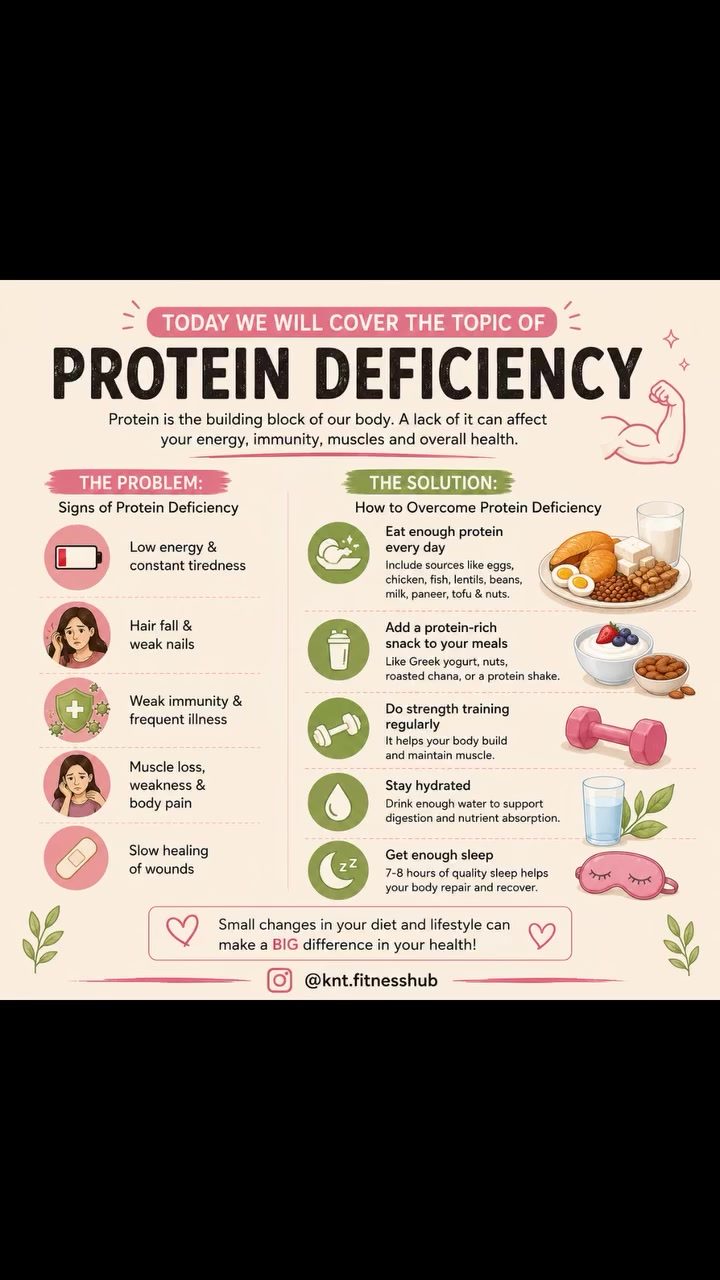
Protein deficiency occurs when the body does not get enough protein to meet its needs. A balanced diet including adequate protein is crucial for maintaining muscle mass, supporting the immune system, and promoting overall health. Protein-rich foods such as eggs, chicken, fish, and dairy products are essential for ensuring your body functions efficiently. Understanding the signs of protein deficiency and implementing strategies to overcome it can significantly improve your health and wellbeing.
Why This Matters
Protein is a fundamental nutrient that plays a vital role in various bodily functions. It is necessary for building and repairing tissues, producing enzymes and hormones, and maintaining a strong immune system. Chronic protein deficiency can lead to a variety of health issues, making it important to recognize the signs and address them promptly.
Main Discussion
The Role of Protein in the Body
Protein serves as the building block of the body, contributing to energy production, immune function, and overall well-being. It is involved in the synthesis of enzymes, hormones, and antibodies, which are crucial for maintaining optimal health. Protein also aids in the healing and repair of tissues, making it especially important for athletes and individuals recovering from injury or illness.
Signs of Protein Deficiency
Recognizing the signs of protein deficiency is the first step in addressing the issue. Common indicators include:
- Low Energy and Constant Tiredness: Protein is essential for energy production. A deficiency can lead to persistent fatigue and a lack of motivation.
- Hair Fall and Weak Nails: Protein is crucial for the health of hair and nails. Inadequate protein intake can result in hair loss and brittle nails.
- Weak Immunity and Frequent Illness: Protein supports the immune system. A deficiency can make you more susceptible to infections and may slow down recovery from illnesses.
- Muscle Loss, Weakness, and Body Pain: Protein is necessary for building and maintaining muscle mass. A lack of protein can lead to muscle weakness, loss, and general discomfort.
- Slow Healing of Wounds: Protein is essential for tissue repair. Deficiency can impair the body's ability to heal wounds efficiently.
Solutions for Overcoming Protein Deficiency
Overcoming protein deficiency involves making small, consistent changes to your diet and lifestyle. Here are some effective strategies:
Eat Enough Protein
Incorporating protein-rich foods into your diet is the most direct way to address a deficiency. Good sources of protein include:
- Eggs, Chicken, and Fish: These are excellent sources of high-quality protein. They can be easily included in various meals and snacks.
- Dairy Products: Milk, paneer, and yogurt are rich in protein and can be consumed daily.
- Legumes and Nuts: Lentils, beans, tofu, and nuts are plant-based protein sources that offer additional health benefits.
Add Protein-Rich Snacks
In addition to main meals, adding protein-rich snacks can help meet your daily protein requirements. Options include:
- Greek Yogurt: High in protein and versatile, it can be enjoyed on its own or as a base for smoothies and parfaits.
- Nuts and Seeds: These are convenient and can be easily carried as snacks.
- Roasted Chickpeas: A tasty and nutritious snack that can be easily incorporated into your diet.
- Protein Shakes: These can be a quick and effective way to boost your protein intake, especially post-workout.
Engage in Strength Training
Regular strength training helps your body build and maintain muscle. It also increases protein synthesis, aiding in muscle recovery and growth. Incorporating strength training exercises into your routine can help combat muscle loss and improve overall fitness.
Stay Hydrated
Proper hydration is essential for optimal digestion and nutrient absorption. Drink plenty of water throughout the day to support your body's protein utilization and overall health.
Get Enough Sleep
Adequate sleep is crucial for the body's repair and recovery processes. Aim for 7-8 hours of quality sleep each night to allow your body to recuperate and rebuild tissues.
Practical Tips
Meal Planning
Planning your meals to include protein-rich foods can make a significant difference. Try to include a source of protein in every meal and snack. For example, start your day with a protein-rich breakfast like Greek yogurt with nuts, or a protein shake with a side of fruit. For lunch, opt for a chicken or fish salad, and for dinner, consider a tofu stir-fry or a lentil soup.
Snacking Smart
Choose protein-rich snacks that are easy to prepare and carry. Keep a small container of nuts or seeds at your desk, or pack a protein shake for after your workout. Snacking on roasted chickpeas or a small bowl of Greek yogurt can provide a protein boost without adding unnecessary calories.
Exercise Routine
Integrate strength training into your exercise routine. Aim for at least two strength training sessions per week, focusing on different muscle groups. Combining strength training with a balanced diet will help your body build and maintain muscle.
Staying Hydrated
Carry a water bottle with you throughout the day and drink regularly. Set reminders if needed, to ensure you are consuming enough water. Staying hydrated supports digestion and nutrient absorption, making it easier for your body to utilize the protein you consume.
Sleep Hygiene
Create a sleep routine that ensures you get 7-8 hours of quality sleep each night. Go to bed and wake up at the same time every day, even on weekends. Avoid screens before bed, and create a relaxing bedtime routine that includes reading or gentle stretching.
Important Takeaways
- Protein is essential for energy, immunity, muscle health, and overall well-being. Insufficient intake can lead to fatigue, muscle loss, and weakened immunity.
- Recognizing the signs of protein deficiency, such as low energy, hair fall, and weak nails, is crucial for addressing the issue promptly.
- Addressing protein deficiency involves incorporating protein-rich foods into your diet, adding protein-rich snacks, engaging in strength training, staying hydrated, and getting adequate sleep.
- Small, consistent changes in your diet and lifestyle can significantly improve your health and well-being.
Conclusion
Protein deficiency can have a profound impact on your overall health, affecting everything from energy levels to immune function. By recognizing the signs and implementing practical strategies to address the issue, you can significantly improve your health and well-being. Incorporate a variety of protein-rich foods into your diet, engage in regular strength training, stay hydrated, and ensure you get enough sleep to support your body's recovery and growth. These small, consistent changes can make a big difference in your overall health and energy levels, helping you to feel your best every day.
Watch the Reel
Questions readers ask
What are the most common symptoms of protein deficiency?
Symptoms of protein deficiency can vary, but some of the most common signs include persistent fatigue, frequent hair loss, and a weakened immune system. Other indications may include muscle loss, sleep disturbances, and a general decline in overall health.
How can I fix a protein deficiency through diet?
To address protein deficiency, incorporate more protein-rich foods into your daily meals. Opt for foods like eggs, chicken, fish, and dairy products. Additionally, nuts and legumes can be excellent plant-based sources of protein.
Why does protein deficiency lead to muscle loss?
Protein is essential for building and repairing tissues, including muscles. Without adequate protein, the body breaks down muscle tissue for energy, leading to muscle loss and weakness. Ensuring sufficient protein intake can help maintain and even build muscle mass.
Can protein deficiency affect my sleep quality?
Yes, protein deficiency can negatively impact sleep quality. Protein plays a crucial role in the production of neurotransmitters that regulate sleep. Insufficient protein intake can lead to disrupted sleep patterns and poor-quality sleep.
How does protein deficiency impact the immune system?
Protein is vital for supporting the immune system. Without enough protein, the body's ability to produce antibodies and fight off infections is compromised, leading to a weakened immune system. Increasing protein intake can help strengthen immune function.
What role does protein play in exercise training?
Protein is crucial for muscle recovery and growth during exercise training. It helps repair muscle tissue damaged during workouts and supports the development of new muscle fibers. Adequate protein intake can enhance exercise performance and aid in post-workout recovery.
How much protein should I consume to maintain muscle strength?
The recommended daily protein intake varies based on factors like age, weight, and activity level. However, a general guideline is to consume 1.2 to 2 grams of protein per kilogram of body weight per day for muscle maintenance and growth. For example, a 70kg individual should aim for 84 to 140 grams of protein daily.
Related deep dives
Similar reads based on topic and creator.




Recent articles
Fresh deep dives from the latest Reels we unpacked.




Comments
Be the first to comment.