Shrimp Nutrition: A Powerhouse of Protein and Iodine
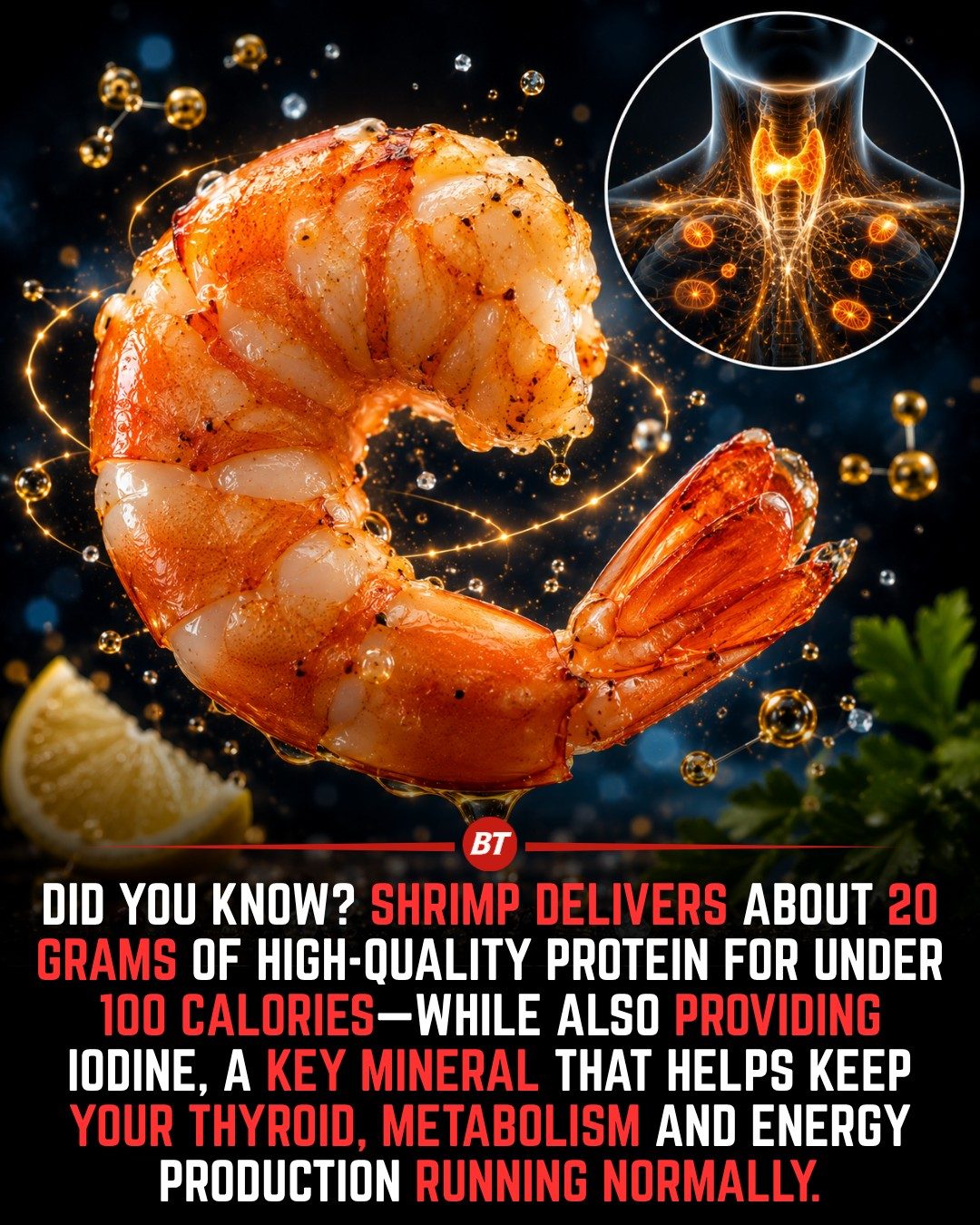
Shrimp stands out as a lean protein powerhouse, delivering around 20 grams of high-quality protein for fewer than 100 calories. This makes it an excellent choice for those looking to boost their protein intake without adding excess calories to their diet.
Why this matters
In today's health-conscious world, understanding the nutritional benefits of the foods we consume is crucial. Shrimp, often overlooked in favor of more trendy proteins, offers a variety of health benefits that can support overall well-being and help manage conditions like hypothyroidism.
Shrimp is one of the leanest protein sources
High Protein Content
Shrimp is an excellent source of lean protein, providing about 20 grams per 100 calories. This makes it an ideal choice for those looking to build muscle, lose weight, or simply maintain a balanced diet. Lean proteins like shrimp help to keep you feeling full and satisfied, reducing the likelihood of overeating.
Iodine for Thyroid Health
One of the standout benefits of shrimp is its high iodine content. Each cell of your body depends on thyroid hormones to regulate energy efficiency. Your thyroid gland needs a steady supply of iodine to produce these crucial hormones. Iodine deficiency can lead to a slowdown in thyroid hormone production, resulting in symptoms like fatigue, feeling cold, dry skin, and difficulty concentrating. For this reason, getting enough iodine through your diet—especially from natural sources like shrimp—is essential for maintaining healthy thyroid function.
Additional Nutritional Benefits
Beyond protein and iodine, shrimp offers a range of other nutrients that contribute to overall health. These include:
Selenium
Selenium is a mineral that works alongside iodine to activate thyroid hormones. It also helps protect the thyroid gland from oxidative stress, ensuring it functions optimally.
Vitamin B12
Vitamin B12 is crucial for maintaining nerve and blood cells, as well as DNA production. It plays a key role in preventing anemia and supporting brain function.
Choline
Choline is important for brain development, liver function, and maintaining healthy cell membranes. It also plays a role in producing neurotransmitters that regulate mood and memory.
Astaxanthin
Astaxanthin is an antioxidant that gives shrimp its pink color. It has been shown to have anti-inflammatory properties and may support heart health, among other benefits.
Addressing Concerns
There is a common misconception that shrimp is high in cholesterol, which can raise concerns about heart health. However, research has shown that the cholesterol found in shrimp has a minimal impact on blood cholesterol levels compared to saturated and trans fats. This makes shrimp a heart-healthy choice for most people.
Practical tips
Incorporating shrimp into your diet can be both delicious and nutritious. Here are some practical tips and recipes to help you enjoy the benefits of this versatile protein:
Quick and Easy Shrimp Recipes
Grilled Shrimp Skewers
Marinate shrimp in olive oil, lemon juice, garlic, and herbs, then grill on skewers for a flavorful and healthy meal.
Shrimp and Vegetable Stir-Fry
Sauté shrimp with a variety of colorful vegetables like bell peppers, broccoli, and snap peas. Add a sauce made from soy sauce, garlic, and ginger for a savory dish.
Shrimp Salad
Mix cooked shrimp with diced vegetables, herbs, and a light vinaigrette for a refreshing and satisfying salad.
Shrimp and Quinoa Bowl
Combine shrimp with cooked quinoa, black beans, corn, avocado, and a lime cilantro dressing for a nutritious and filling meal.
Preparation Tips
When preparing shrimp, it's important to:
- Choose fresh or frozen shrimp: Fresh shrimp can be prepared immediately, while frozen shrimp should be thawed in the refrigerator overnight.
- Clean and devein: Rinse shrimp and remove the digestive vein, which runs along the back.
- Cook thoroughly: Cook shrimp until they turn pink and opaque to ensure food safety.
Important takeaways
Shrimp is a nutritional powerhouse that offers a range of health benefits. Here are the key takeaways:
- Shrimp is one of the leanest protein sources, delivering around 20 grams of high-quality protein for fewer than 100 calories.
- It is a rich source of iodine, which is essential for thyroid health and metabolism.
- Shrimp contains selenium, vitamin B12, choline, and the antioxidant astaxanthin, making it a nutrient-dense food.
- The cholesterol in shrimp has less impact on blood cholesterol levels compared to saturated and trans fats.
- Incorporating shrimp into your diet can be easy and delicious with a variety of recipes and preparation tips.
Conclusion
Shrimp is a versatile and nutritious protein source that offers a range of health benefits. Its high protein content, rich iodine levels, and additional nutrients make it an excellent choice for supporting overall health and thyroid function. By incorporating shrimp into your diet, you can enjoy a delicious and nutritious meal while reaping the benefits of this powerful protein.
Watch the Reel
Questions readers ask
How does iodine in shrimp support thyroid health?
Iodine is a crucial component in the production of thyroid hormones, which regulate metabolism. Shrimp, being rich in iodine, can help maintain healthy thyroid function and support energy levels. Including shrimp in your diet can be beneficial for those managing thyroid conditions, such as hypothyroidism, by providing the necessary iodine to support optimal thyroid hormones.
Why is shrimp considered a lean protein source?
Shrimp is considered a lean protein source because it delivers a significant amount of protein—about 20 grams per 100-calorie serving—while keeping the fat content low. This makes it an ideal choice for those looking to increase their protein intake without consuming excess calories or unhealthy fats.
Can eating shrimp help with weight management?
Yes, shrimp can be a valuable addition to a weight management plan. Its high protein and low calorie content can support feelings of fullness and satiety, potentially reducing overall calorie intake. Additionally, the lean protein in shrimp can help maintain and build lean muscle mass, which is beneficial for metabolism.
How does shrimp compare to other protein sources in terms of nutritional benefits?
Shrimp stands out among protein sources due to its high protein content and low calorie count. Unlike some other proteins, shrimp is also low in cholesterol and rich in essential minerals like iodine. This makes it a nutritious choice for those looking to support thyroid health, maintain a balanced diet, and enhance overall well-being.
Are there any other health benefits associated with consuming shrimp?
In addition to supporting thyroid health and aiding in weight management, shrimp offers other health benefits. It is a good source of various vitamins and minerals, including vitamin B12, selenium, and phosphorus. The lean protein in shrimp can also support muscle recovery and growth, making it a valuable addition to a well-rounded diet.
How does the iodine content in shrimp compare to other iodine-rich foods?
Shrimp is one of the richest dietary sources of iodine, particularly when compared to other popular iodine-rich foods. For example, a 3-ounce serving of shrimp provides about 35 micrograms of iodine, whereas the same amount of cod provides only about 98 micrograms. Including shrimp in your diet can be an effective way to boost your iodine intake and support thyroid function.
Related deep dives
Similar reads based on topic and creator.




Recent articles
Fresh deep dives from the latest Reels we unpacked.




Comments
Be the first to comment.