Shoulder Labrum Tear and the Path to Recovery
A shoulder labrum tear is a significant injury that can compromise the stability of the shoulder joint. Understanding this condition, the surgical repair process, and the crucial role of physical therapy in recovery is essential for anyone facing this challenge.
Why This Matters
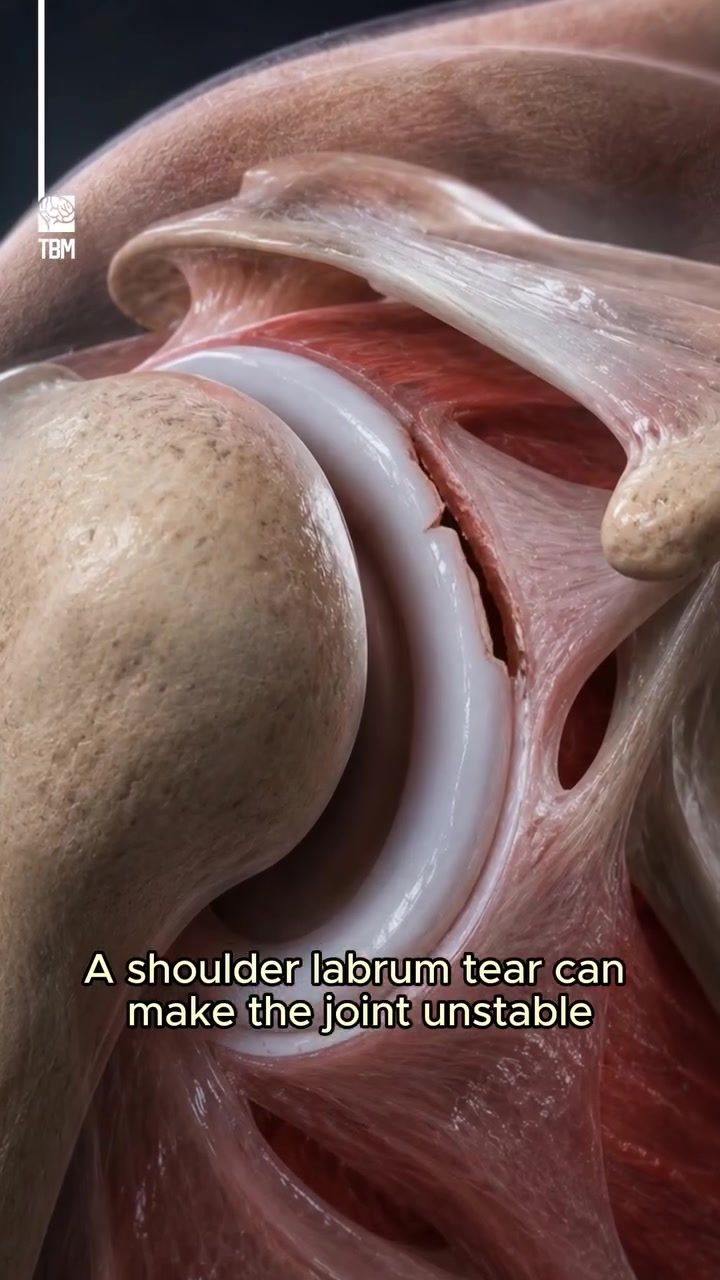
The shoulder joint is one of the most mobile and flexible joints in the body, but this mobility comes at the cost of stability. The labrum, a ring of strong cartilage surrounding the shoulder socket, plays a vital role in maintaining this balance. A tear in the labrum can make the joint unstable, leading to a range of issues that affect daily activities and overall quality of life.
What is a Shoulder Labrum Tear?
The labrum is a fibrous structure that deepens the socket, providing a secure base for the arm bone to rotate within. A tear in this structure can occur due to various reasons, including:
- Falls and Accidents: A direct blow or fall onto an outstretched arm can cause a labrum tear.
- Sports Injuries: Activities that involve repetitive overhead motions, such as tennis, swimming, or baseball, can lead to wear and tear.
- Shoulder Dislocation: A dislocation, where the arm bone pops out of the socket, can also damage the labrum.
- Overhead Motions: Repeated overhead motions, like those in certain jobs or sports, can cause gradual degeneration.
Common symptoms of a shoulder labrum tear include:
- Pain: Particularly with overhead activities or at night.
- Clicking or Locking: A sensation of the shoulder catching or locking during movement.
- Weakness: Reduced strength in the shoulder.
- Instability: A feeling that the shoulder could slip out of place.
Surgical Repair: The Arthroscopic Approach
If rest and physical therapy do not improve the condition, surgery may be recommended. One of the most common methods for repairing a shoulder labrum tear is arthroscopic surgery. This minimally invasive procedure involves:
- Small Incisions: The surgeon makes several small incisions around the shoulder.
- Camera Insertion: A tiny camera is inserted into the joint, allowing the surgeon to see the inside of the shoulder clearly.
- Specialized Instruments: Along with the camera, specialized instruments are used to repair the tear.
- Labrum Reattachment: The torn labrum is moved back into its normal position and secured to the shoulder socket with small suture anchors placed in the bones. These anchors hold the labrum in place while it heals naturally.
The Role of Physical Therapy in Recovery
Physical therapy is a cornerstone of recovery following a shoulder labrum repair. The goal is to gradually restore strength, flexibility, and range of motion, ensuring a full return to normal activities. The rehabilitation process typically includes several phases:
-
Early Phase (0-6 weeks):
- Pain Management: Techniques to reduce pain and inflammation.
- Range of Motion Exercises: Gentle exercises to gradually regain motion without straining the repair.
- Protective Measures: Use of a sling or brace to protect the shoulder.
-
Intermediate Phase (6-12 weeks):
- Strengthening Exercises: Focused on the rotator cuff and scapular muscles.
- Active Range of Motion: Gradually increasing the range of motion through active exercises.
- Manual Therapy: Hands-on techniques to improve mobility and reduce scar tissue.
-
Advanced Phase (12+ weeks):
- Dynamic Strengthening: More intense exercises to build strength and endurance.
- Functional Activities: Returning to sport-specific or job-specific activities.
- Sport-Specific Training: For athletes, this phase focuses on returning to full sport performance.
Practical Tips for Recovery
- Follow Your Physical Therapy Plan: Consistency and adherence to the prescribed exercises are crucial for a successful recovery.
- Communicate with Your Healthcare Team: Regular check-ins with your surgeon and physical therapist ensure that you are progressing as expected.
- Gradual Progression: Avoid rushing through the recovery phases. Patience is key to preventing re-injury.
- Nutrition and Hydration: Proper nutrition and hydration support the healing process and overall recovery.
- Listen to Your Body: If you experience increased pain or discomfort, notify your healthcare team immediately.
Important Takeaways
- Labrum Tears: Can lead to joint instability, pain, and reduced function.
- Surgical Repair: Arthroscopic surgery is a common and effective method for repairing the labrum.
- Physical Therapy: Crucial for regaining strength, flexibility, and range of motion.
- Patience and Consistency: Key factors in achieving a full recovery.
Conclusion
A shoulder labrum tear is a challenging injury, but with the right approach to surgical repair and physical therapy, a full recovery is achievable. Understanding the condition, the repair process, and the importance of rehabilitation can greatly enhance the recovery journey. If you or someone you know is dealing with a shoulder labrum tear, seeking professional medical advice and adhering to a structured rehabilitation plan will pave the way to a successful recovery.
Watch the Reel
Questions readers ask
What are the initial signs of recovery after shoulder labrum surgery?
Immediately after surgery, patients may experience pain, swelling, and limited movement. Over the first few weeks, these symptoms should gradually improve as the shoulder begins to heal. Patients are often advised to wear a shoulder immobilizer or sling to protect the repair and reduce strain on the shoulder joint.
How soon can I expect to regain shoulder mobility after surgery?
Regaining shoulder mobility is a gradual process. Initial rehabilitation focuses on gentle range-of-motion exercises. Patients typically start passive and assisted exercises within the first few weeks, progressing to active exercises as healing allows. Full mobility may take several months, and patience is key during this time.
What role does physical therapy play in post-surgical recovery?
Physical therapy is crucial for a successful recovery. It helps to restore strength, flexibility, and stability to the shoulder joint. A therapist will guide patients through a structured program of exercises tailored to their specific needs, ensuring a safe and effective return to everyday activities.
How long does it usually take to return to normal activities after shoulder labrum surgery?
The timeline for returning to normal activities varies based on the extent of the injury and the individual's healing progress. Generally, light activities can be resumed within a few weeks, while more strenuous activities or sports may require 4 to 6 months of recovery. Patience and adherence to the prescribed rehabilitation program are important for a successful outcome.
What can I do to manage pain and discomfort during the recovery period?
Pain management is an integral part of the recovery process. Patients are typically prescribed pain medication and may use ice packs to reduce swelling. Gentle exercises and gradual progression in physical therapy can help alleviate discomfort by promoting healing and restoring function.
Are there any activities I should avoid during the recovery process?
Certain activities should be avoided to prevent reinjury and to allow proper healing. These include heavy lifting, repetitive overhead motions, and high-impact sports. Your surgeon and physical therapist will provide specific guidelines based on your condition and progress.
What are the long-term benefits of shoulder labrum surgery?
Shoulder labrum surgery aims to stabilize the joint and alleviate symptoms. Long-term benefits include improved shoulder stability, reduced pain, and enhanced mobility, allowing patients to resume their daily activities and enjoy an active lifestyle. Regular follow-ups and maintenance exercises are essential to sustain these benefits.
Recent articles
Fresh deep dives from the latest Reels we unpacked.




Comments
Be the first to comment.