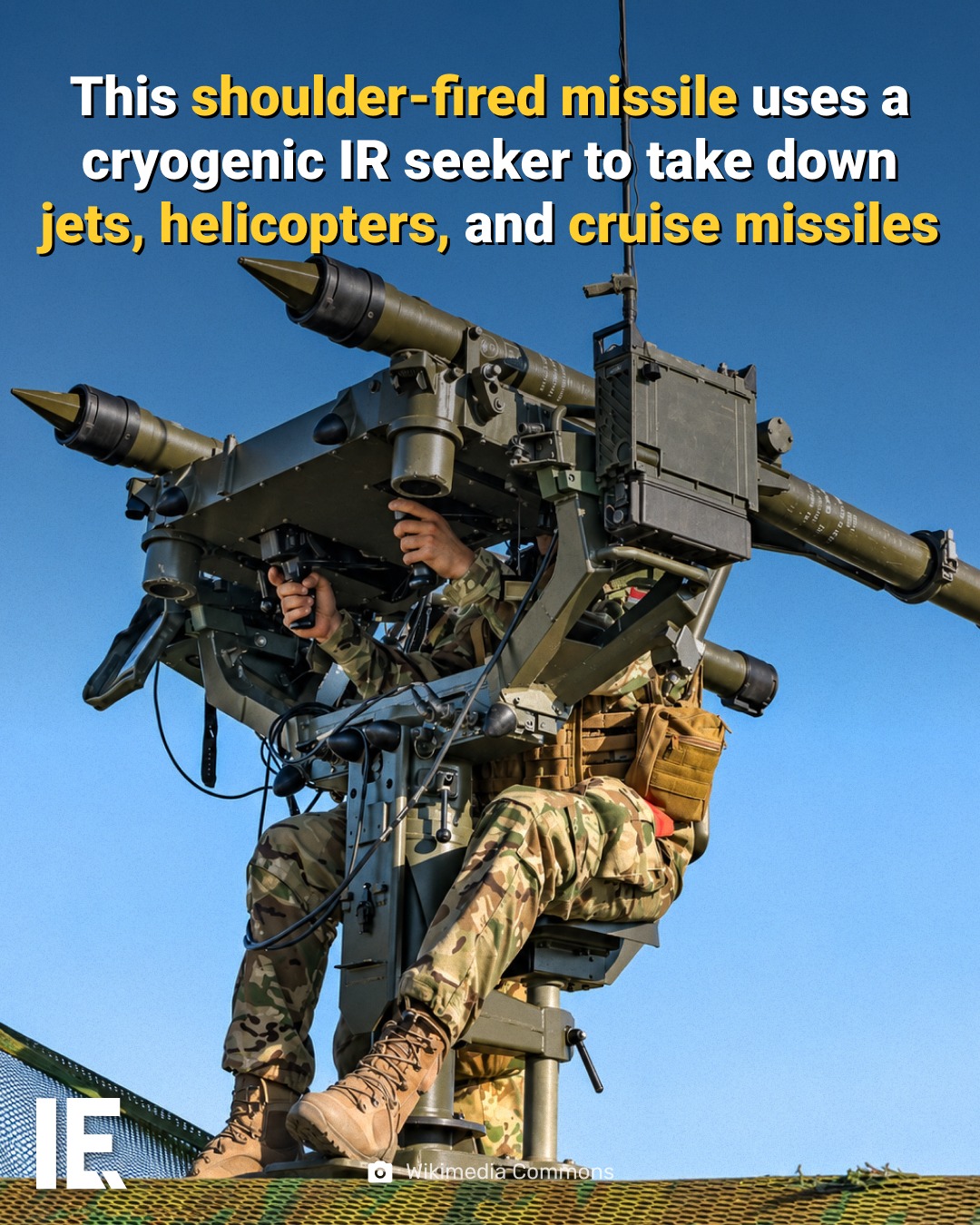
The shoulder-fired missile system, a portable weapon designed for precise strikes, is capable of targeting a range of aerial threats, including jets, helicopters, and cruise missiles. Imagine a soldier, rifle at the ready, equipped to take down aircraft swiftly.
Missiles on the Move
A shoulder-fired missile system is a self-contained, portable weapon designed to be operated by a single individual. This type of system is typically mounted on a tripod for stability during use and can take down targets at various ranges, making them indispensable for modern warfare. These weapons are crafted with precision and complexity. The missile is launched from a portable tube, or firing mechanism, which is carried by ground troops. This brings high-power, long-range strikes right to their side. Its design is distinctive and versatile, though it can vary by model. Cryogenic IR, or infrared, seekers lock onto distant targets, guiding the missile towards its mark. The cryogenic cooling system helps maintain the precision of the infrared sensors, ensuring accurate tracking even in adverse conditions.
The Demand for Precision
The rising threat of aerial attacks has increased the need for precise, ground-based anti-aircraft systems. This portable technology empowers soldiers to counter threats without relying on heavy, fixed launchers. While shoulder-fired missile systems are effective, the potential for misuse and theft poses security concerns. In the hands of a soldier, they can be a valuable weapon and this capability, combined with the ease of transport, makes them a formidable asset in the right hands.
Cryogenics at Work
The cryogenic IR seeker is a critical component of the shoulder-fired missile system, providing the precision necessary for successful strikes. Cryogenic cooling systems bring the temperature of the seeker down to extremely low levels, enhancing the infrared sensor’s capability to detect heat signatures of distant targets. This process is crucial for the missile’s accuracy, as it allows the seeker to distinguish between targets and background noise. A precise missile seeker means successful interdictions even across many kilometers. The seeker must effectively keep track of its target, even if it's moving erratically, such a helicopter. The cooling system also helps maintain the sensor's functionality in challenging conditions, making the missile system reliable for various operations.
How it Works
While the overall structure of a shoulder-fired missile system varies, the basic mechanics remain consistent. The missile tube, tripod, and guidance system work together to deliver a high-impact strike. The soldier first sets up the tripod. Then they load the missile into the firing tube, attaching it to the tripod. The guidance system, equipped with the cryogenic IR seeker, is activated and locks onto the target. When the soldier fires the missile, the rocket motor propels it towards the target. The guidance system then takes over, using the infrared seeker to track and adjust the missile's trajectory, ensuring a direct hit.
The Power of Targeting
A shoulder-fired missile system’s effectiveness lies in its ability to precisely target and neutralize specific aerial threats, such as jets, helicopters, and cruise missiles. The cryogenic cooling system and IR seeker combine to lock onto these targets, ensuring accuracy. The precision of the targeting system means that missiles can be fired from a wider range of environments, relying on the overall precision of the system rather than the operator's specific skill. This precision not only improves the success rate of strikes but also reduces the potential for collateral damage.
Handling a Shoulder-Fired Missile System
Anyone who operates a shoulder-fired missile system must understand the system's operation, the risks, and how to avoid complications.
- Training: Operators must go through rigorous training to understand the mechanics and the risks involved. Training includes learning how to set up the tripod, load the missile, and operate the guidance system.
- Safety: Handling the missile tube and cryogenic system requires caution to avoid accidental activation or damage. Operators should wear protective gear and follow safety protocols.
- Maintenance: Regular maintenance includes checking the cryogenic system, ensuring the guidance system is functional, and inspecting the tripod and tube for any wear and tear. Routine maintenance helps maintain the reliability and effectiveness of the system.
Lethal Precision
Shoulder-fired missile systems are designed to provide soldiers with a powerful, portable means of defense against aerial threats. The precision and reliability of the cryogenic IR seeker enhance the system's overall effectiveness, making it a formidable weapon on the battlefield. The demand for such precision will keep these systems in the arsenal of modern warfare.
Watch the Reel
Questions readers ask
What exactly is a cryogenic cooling system, and why is it so important for shoulder-fired missile systems?
A cryogenic cooling system in a shoulder-fired missile system lowers the temperature to below 77 Kelvin, which is extremely cold, allowing the infrared seeker to detect even the smallest heat signatures, like a human body from a distance of 10 miles. This precision is crucial for accurate targeting, especially in identifying and tracking moving targets such as helicopters and jets.
How does a soldier operate a shoulder-fired missile system in the field?
A soldier first sets up the tripod for stability, then loads the missile into the firing tube, which is attached to the tripod. The guidance system, equipped with a cryogenic IR seeker, is activated to lock onto the target. Once the target is acquired, the soldier fires the missile, and the guidance system takes over, using the infrared seeker to track and adjust the missile's trajectory for a direct hit.
What kind of aerial threats can a shoulder-fired missile system effectively target?
Shoulder-fired missile systems are designed to take down a variety of aerial threats, including jets, helicopters, and cruise missiles. Their precision and long-range capabilities make them indispensable for modern warfare, allowing soldiers to counter these threats effectively.
Are there any security concerns associated with shoulder-fired missile systems?
Yes, the portability and ease of use of shoulder-fired missile systems pose potential security risks. There is a concern for misuse and theft, as these weapons can be a formidable asset in the wrong hands. Proper security measures and training are essential to mitigate these risks.
How does the cryogenic IR seeker in a shoulder-fired missile system enhance its accuracy?
The cryogenic IR seeker in a shoulder-fired missile system is cooled to extremely low temperatures, enhancing the infrared sensor's capability to detect heat signatures of distant targets. This precision allows the missile to distinguish between targets and background noise, ensuring accurate tracking even in challenging conditions and across long distances.
Why is the demand for shoulder-fired missile systems increasing?
The rising threat of aerial attacks has increased the need for precise, ground-based anti-aircraft systems. Shoulder-fired missile systems empower soldiers to counter these threats without relying on heavy, fixed launchers, making them a valuable asset in modern warfare.
Related deep dives
Similar reads based on topic and creator.
Recent articles
Fresh deep dives from the latest Reels we unpacked.


Comments
Be the first to comment.