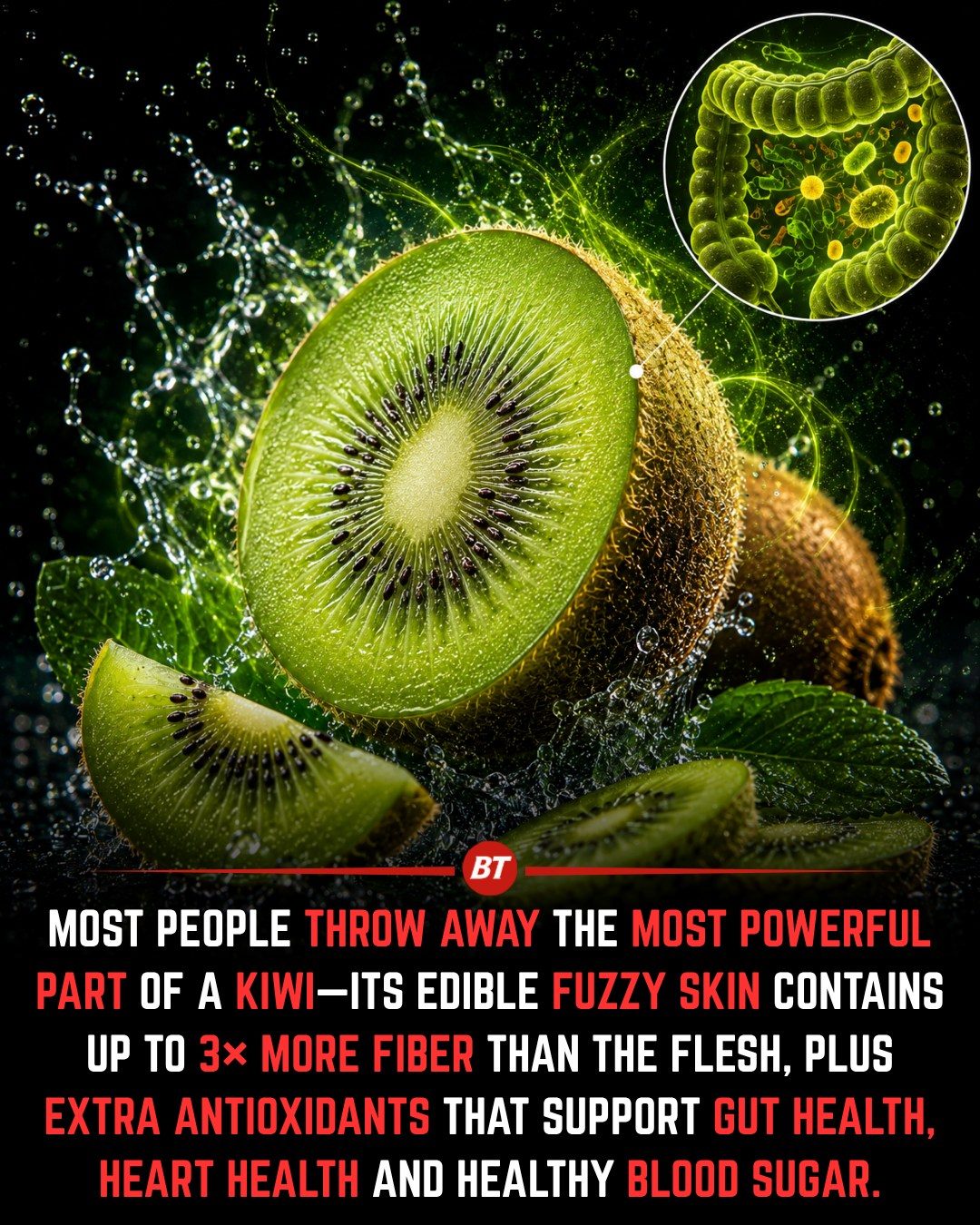
Kiwi Benefits
Kiwis are a delicious and nutritious fruit, but many people are unaware of the significant health benefits hidden in the edible skin. This often-discarded part of the fruit is not only safe to eat but also packed with nutrients that can enhance your overall health.
Why This Matters
Incorporating the entire kiwi, skin and all, into your diet can provide a wide range of health benefits. The skin is rich in fiber and antioxidants, which are essential for maintaining good health. By consuming the skin, you can support your gut health, heart health, and even regulate your blood sugar levels. This makes kiwis a powerful addition to a balanced diet.
Main Discussion
Nutritional Powerhouse
Kiwi skin contains up to three times more fiber than the flesh alone. Fiber is crucial for digestive health, as it helps feed beneficial gut bacteria and supports regular digestion. This increased fiber intake can also promote healthy cholesterol levels and slow the absorption of sugars after meals, contributing to better blood sugar control. Most adults fall short of the recommended daily fiber intake, making whole kiwis an easy way to boost your fiber consumption.
Antioxidant Boost
Besides fiber, kiwi skin is rich in antioxidants, including vitamin E, folate, and antioxidant polyphenols. These compounds protect cells from oxidative stress, support heart health, and boost the immune system. The combination of antioxidants and the fruit's exceptionally high vitamin C content makes the entire kiwi a more nutritious choice compared to eating the flesh alone.
Fiber and Blood Sugar Control
Fiber intake is often overlooked, but it plays a critical role in maintaining healthy blood sugar levels. By slowing the absorption of sugars after meals, fiber helps prevent spikes in blood sugar, which is particularly beneficial for individuals with diabetes or those at risk. Incorporating whole kiwis into your diet can be a simple and effective way to manage blood sugar levels naturally.
Heart Health
The antioxidants and fiber found in kiwi skin contribute to heart health. Polyphenols and flavonoids in the skin help protect the heart by reducing oxidative stress and inflammation. A diet rich in these compounds can lower the risk of heart disease and support overall cardiovascular health.
Practical Tips
Preparation and Consumption
If the fuzzy texture of the skin isn't your favorite, consider trying gold kiwis, which have a much smoother, thinner skin that's also edible. To prepare a kiwi for consumption, follow these simple steps:
- Wash Thoroughly: Rinse the kiwi under running water and gently rub the skin to remove any dirt or residue.
- Slice and Enjoy: You can slice the fruit and eat it whole, or blend the entire kiwi into a smoothie for a quick and nutritious drink.
- Food Waste Reduction: By eating the whole kiwi, you'll reduce food waste and get more out of this nutritious fruit.
Including Kiwis in Your Diet
There are numerous ways to incorporate kiwis into your daily meals. Here are a few ideas:
- Breakfast: Add sliced kiwis to your morning oatmeal or yogurt for a burst of flavor and nutrition.
- Snacks: Enjoy a whole kiwi as a refreshing midday snack.
- Salads: Mix diced kiwis into your favorite salad for a tangy twist.
- Smoothies: Blend kiwis into your smoothies for an extra boost of vitamins and antioxidants.
Important Takeaways
Eating the entire kiwi, including the skin, provides a broader range of nutrients compared to eating the flesh alone. By doing so, you can:
- Boost your fiber intake, supporting gut health and regular digestion.
- Increase your antioxidant consumption, protecting cells from oxidative stress.
- Regulate blood sugar levels and promote heart health.
Conclusion
Kiwis are not just a tasty fruit; they are also a nutritional powerhouse, especially when consumed whole. The often-discarded skin is packed with fiber and antioxidants that offer numerous health benefits. By incorporating whole kiwis into your diet, you can support your gut health, heart health, and overall well-being.
Watch the Reel
Questions readers ask
Is it safe to eat the skin of a kiwi fruit?
Yes, it is safe to eat the skin of a kiwi fruit. The skin is edible and provides a range of nutrients and health benefits. The skin is also rich in fiber and antioxidants, which can boost your overall well-being. Just make sure the kiwi has been washed properly to remove any dirt or pesticides.
How does eating kiwi skin benefit digestion?
Eating kiwi skin can greatly benefit digestion. The skin contains up to three times more fiber than the flesh, which helps promote regular bowel movements. This increased fiber intake can prevent constipation and support a healthy gut.
Can eating kiwi with skin improve heart health?
Yes, eating kiwi with skin can improve heart health due to its high antioxidant and fiber content. These nutrients help reduce inflammation and lower cholesterol levels, which are important for maintaining a healthy heart.
Does kiwi skin have more fiber than the flesh?
Yes, kiwi skin has significantly more fiber compared to the flesh. The skin contains up to three times more fiber, making it a great addition to your diet if you're looking to increase your fiber intake.
What are the benefits of eating the whole kiwi, including the skin?
Eating the whole kiwi, including the skin, provides a wide range of health benefits. The skin is rich in fiber and antioxidants, which support digestive health, heart health, and blood sugar control. It also boosts your overall nutrient intake, making it a powerful addition to a balanced diet.
How does kiwi skin help regulate blood sugar levels?
Kiwi skin helps regulate blood sugar levels due to its high fiber content. Fiber slows down the absorption of sugar into the bloodstream, preventing spikes in blood sugar levels. This makes kiwi skin a beneficial addition to a diet for those looking to manage their blood sugar levels.
Is fuzzy kiwi skin safe to consume?
Yes, the fuzzy skin of a kiwi is safe to consume. The fuzz is a natural part of the fruit and adds to the nutritional benefits. The skin can be consumed with the flesh for enhanced fiber and antioxidant intake.
Related deep dives
Similar reads based on topic and creator.




Recent articles
Fresh deep dives from the latest Reels we unpacked.




Comments
Be the first to comment.