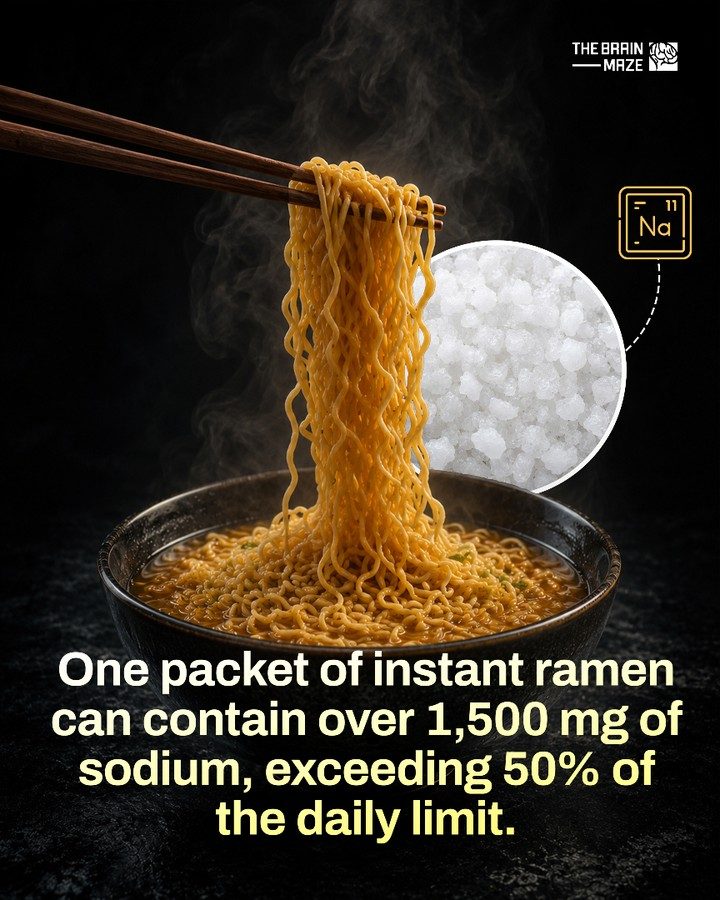
Ramen Sodium Content
Instant ramen is a popular convenience food, but it comes with a significant drawback: high sodium content. One packet of instant ramen can contain over 1,500 mg of sodium, which exceeds 50% of the recommended daily limit. Regular consumption of high-sodium foods can lead to serious health concerns, including high blood pressure and other heart-related issues.
Why This Matters
High sodium intake is a well-known risk factor for various health problems. The American Heart Association (AHA) recommends no more than 2,300 mg of sodium per day, with an ideal limit of 1,500 mg for most adults. Instant ramen can easily push consumers over these limits, making it a potential health hazard for frequent consumers.
The Science Behind Sodiu
Sodium and Your Body
Sodium is an essential mineral that plays a crucial role in maintaining fluid balance, supporting nerve and muscle function, and regulating blood pressure. However, consuming too much sodium can lead to an excessive buildup of fluids in the body, putting extra strain on the heart and blood vessels. This can result in high blood pressure, also known as hypertension.
Instant Ramen and Sodium
Instant ramen is notorious for its high sodium content. The convenience of these pre-made meals comes at a cost. A single serving of instant ramen can contain over 1,500 mg of sodium. To put this into perspective, the AHA's ideal sodium limit for most adults is 1,500 mg per day. Consuming just one packet of instant ramen can push you to or beyond this limit, even before accounting for any other sodium-containing foods or beverages consumed throughout the day.
Health Risks of High Sodiu
Consistently exceeding the recommended sodium intake can lead to several health issues. High blood pressure is one of the most immediate risks. Over time, high blood pressure can damage the arteries, leading to a higher risk of heart disease, stroke, and kidney problems.
Practical Tips
Reading Nutrition Labels
The first step in managing sodium intake is to read nutrition labels carefully. Pay attention to the sodium content per serving and the number of servings per package. This will help you understand how much sodium you are consuming with each meal.
Choosing Lower-Sodium Options
While instant ramen is high in sodium, there are lower-sodium alternatives available. Look for brands that offer low-sodium or reduced-sodium varieties. Additionally, you can opt for fresh or homemade noodle soups, where you have control over the sodium content.
Reducing Sodium in Instant Ramen
If you enjoy instant ramen but want to reduce your sodium intake, consider the following tips:
- Rinse the noodles: After cooking the noodles, rinse them under hot water to remove some of the sodium. This can reduce the sodium content by up to 50%.
- Add fresh ingredients: Enhance the flavor with fresh vegetables, herbs, and spices. This can help mask the salty taste and make the ramen more satisfying.
- Use less of the seasoning packet: The seasoning packets that come with instant ramen are often very high in sodium. Use only half of the packet or consider not using it at all and adding your own seasonings.
Balancing Your Diet
It's essential to balance your diet and consume a variety of foods. Include plenty of fresh fruits, vegetables, lean proteins, and whole grains. These foods are naturally lower in sodium and provide essential nutrients that support overall health.
Important Takeaways
Instant ramen is a convenient food, but its high sodium content can pose significant health risks. Regularly consuming high-sodium foods can lead to high blood pressure and other heart-related issues. By reading nutrition labels, choosing lower-sodium options, and balancing your diet, you can enjoy instant ramen while managing your sodium intake.
Conclusion
While instant ramen is a tasty and convenient meal option, it's crucial to be aware of its high sodium content. By taking proactive steps to manage your sodium intake, you can enjoy instant ramen as part of a balanced diet without compromising your health. Always remember to monitor your sodium consumption and make informed choices to support your overall well-being.
Watch the Reel
Related deep dives
Similar reads based on topic and creator.


Recent articles
Fresh deep dives from the latest Reels we unpacked.




Comments
Be the first to comment.