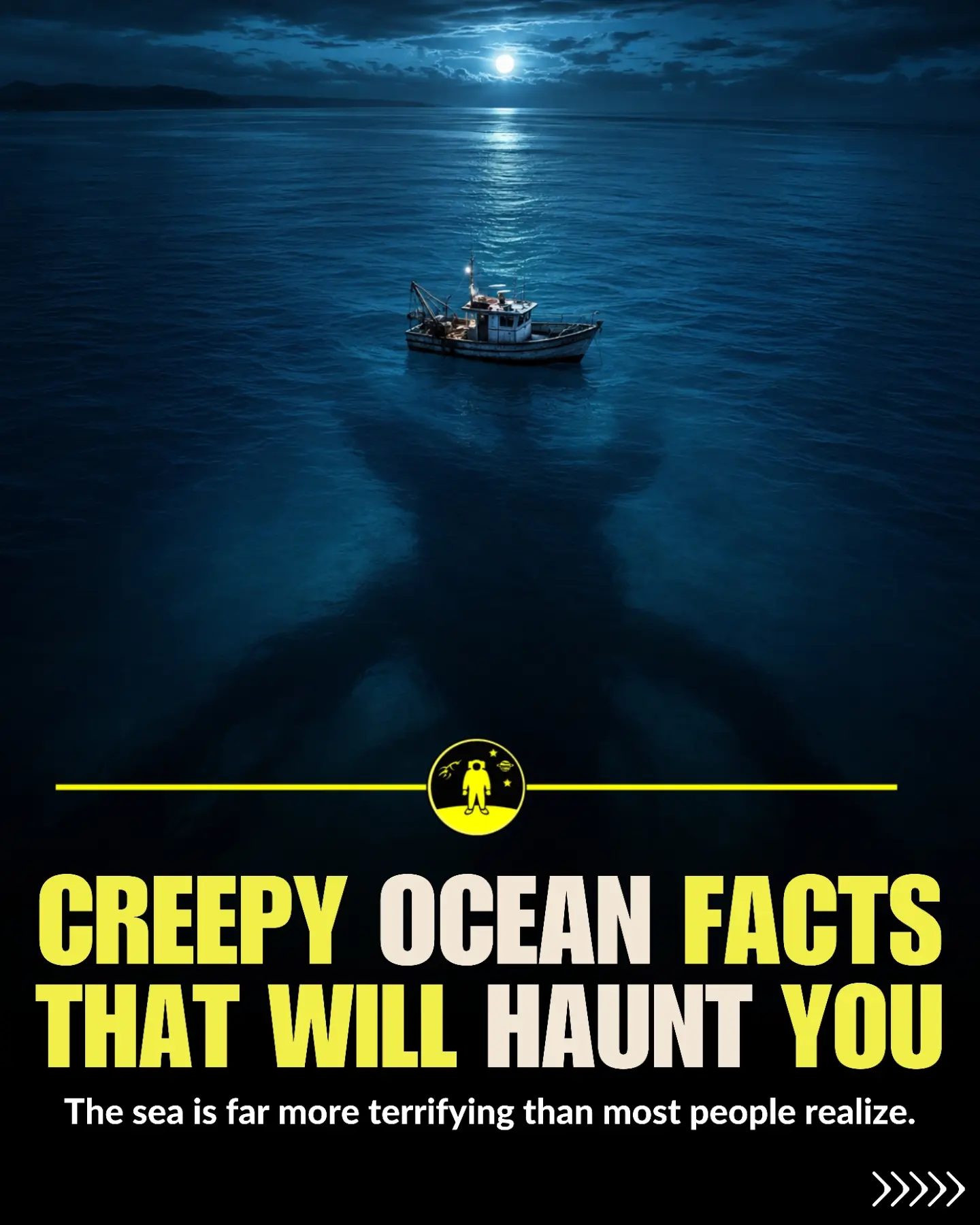
Creepy Ocean Facts
The ocean, covering more than 70% of Earth's surface, is one of the most mysterious and extreme environments on the planet. Beneath its seemingly tranquil surface lies a world that challenges our understanding and often seems more alien than outer space. This vast and largely unexplored realm is home to ancient predators, forgotten shipwrecks, and crushing depths that defy human comprehension.
Why This Matters
The ocean's mysteries are not just fascinating—they are crucial to understanding our planet. The deep sea hosts unique ecosystems, potential medical breakthroughs, and historical artifacts. Exploring these depths can provide insights into climate change, the origins of life, and even the future of humanity.
Main Discussion
The Unknown Depths
The ocean's sheer vastness and inhospitable conditions make it one of the least explored environments on Earth. Scientists estimate that only about 5% of the ocean has been explored, leaving around 90% of marine species undiscovered. The deep sea's extreme conditions, including freezing temperatures, crushing pressure, and total darkness, make exploration challenging and dangerous.
Shipwrecks and Lost Treasures
More than 3 million shipwrecks lie on the ocean floor, but only about 1% have ever been discovered. These wrecks contain lost treasures, human remains, and entire ecosystems. The rest remain hidden, preserving a rich history of maritime adventure and tragedy. Some wrecks are so well-preserved that they offer unique insights into past civilizations and maritime technology.
Extreme Conditions
The deep ocean is an alien world. At the bottom of the Mariana Trench, the pressure is so immense that it would destroy an unprotected human instantly. Certain deep-sea environments, such as the Black Sea, have freezing temperatures and a lack of oxygen, which can preserve bodies for incredibly long periods. These extreme conditions support unique life forms, including the Greenland shark, which can live for more than 400 years, making some individuals older than entire nations.
The Greenland Shark
One of the most fascinating creatures of the deep is the Greenland shark. These sharks can live for more than 400 years, making them one of the longest-lived vertebrates on Earth. Their slow metabolism and cold-blooded nature allow them to survive in the frigid waters of the North Atlantic, where they feed on a variety of prey. The Greenland shark's longevity makes them a subject of great interest for scientists studying aging and longevity.
The Mariana Trench
The Mariana Trench, located in the western Pacific Ocean, is the deepest part of the world's oceans. Reaching a maximum-known depth of over 36,000 feet, it is a place of extreme pressure and near-freezing temperatures. The trench is home to a variety of unique species, including amphipods, snailfish, and even certain types of bacteria. Despite its inhospitable conditions, the Mariana Trench plays a crucial role in the Earth's ecosystems and climate.
The Black Sea
The Black Sea is another fascinating deep-sea environment. Due to its unique geography and low oxygen levels, it has become a natural preservative for shipwrecks and other artifacts. The Black Sea's anoxic conditions mean that organic matter, including wood from ancient ships, can be perfectly preserved for thousands of years. This makes it a treasure trove for archaeologists and historians.
Practical Tips
Exploring the ocean is a challenging but rewarding endeavor. Here are some practical tips for those interested in diving deeper into marine mysteries:
Safety First
Always prioritize safety when exploring the deep sea. Ensure you have the right equipment, training, and support team. The extreme conditions of the deep sea require specialized gear and expertise.
Research and Preparation
Thorough research and preparation are key. Study the geography, marine life, and environmental conditions of the area you plan to explore. Understand the potential hazards and plan accordingly.
Collaboration with Experts
Collaborate with marine biologists, oceanographers, and other experts. Their knowledge and experience can provide valuable insights and enhance your understanding of the deep sea.
Technology and Innovation
Leverage the latest technology and innovation. Advanced equipment, such as remotely operated vehicles (ROVs) and submersibles, can help you explore deeper and more safely.
Conservation and Stewardship
Practice conservation and stewardship. The deep sea is a fragile and delicate ecosystem. Minimize your impact and work to protect the environment for future generations.
Important Takeaways
The ocean is a vast and mysterious world that continues to challenge our understanding. Here are the key takeaways:
- The ocean covers more than 70% of Earth's surface but remains largely unexplored.
- Extreme conditions in the deep sea support unique life forms and ecosystems.
- Millions of shipwrecks and lost treasures lie undiscovered on the ocean floor.
- The Mariana Trench and Black Sea are fascinating deep-sea environments with unique preservation properties.
Conclusion
The deep sea is a world of mystery and wonder. Despite the challenges and dangers, exploring these depths can provide valuable insights into our planet and its history. From ancient predators to forgotten shipwrecks, the ocean holds countless secrets waiting to be discovered. Whether you're a seasoned explorer or a curious enthusiast, there's always more to learn and uncover in the vast and enigmatic world beneath the waves.
Watch the Reel
Questions readers ask
Why is the ocean considered one of the most unexplored places on Earth?
The ocean is vast and incomprehensibly deep. Its extreme conditions make exploration challenging. Much of the ocean remains unmapped and unexplored, with only a fraction of its depths having been seen by human eyes.
What kinds of ecosystems can be found in the deep sea?
The deep sea hosts a variety of unique ecosystems, including hydrothermal vents, cold seeps, and deep-sea trenches. These environments support strange and fascinating life forms, like bioluminescent creatures and extremophiles that thrive in extreme conditions.
How do deep-sea exploration and space exploration compare?
While both environments are challenging, deep-sea exploration is often considered more difficult due to the crushing pressures and lack of light. The deep sea is also far more accessible than space, yet it remains largely unexplored.
What historical artifacts can be found in the ocean?
The ocean floor is home to countless shipwrecks, some dating back thousands of years. These wrecks offer valuable insights into maritime history and often contain artifacts that have been preserved by the cold, dark waters.
How does exploring the ocean's depths help us understand climate change?
The deep ocean plays a crucial role in regulating Earth's climate by absorbing large amounts of heat and carbon. By studying the ocean's depths, scientists can gain insights into how climate change is affecting the planet and vice versa.
What are some of the challenges faced during deep-sea exploration?
Deep-sea exploration poses numerous challenges, including extreme pressures, near-freezing temperatures, and total darkness. Additionally, the remoteness of the deep sea makes it difficult and costly to conduct research, and the harsh conditions can damage equipment.
Related deep dives
Similar reads based on topic and creator.

Recent articles
Fresh deep dives from the latest Reels we unpacked.




Comments
Be the first to comment.