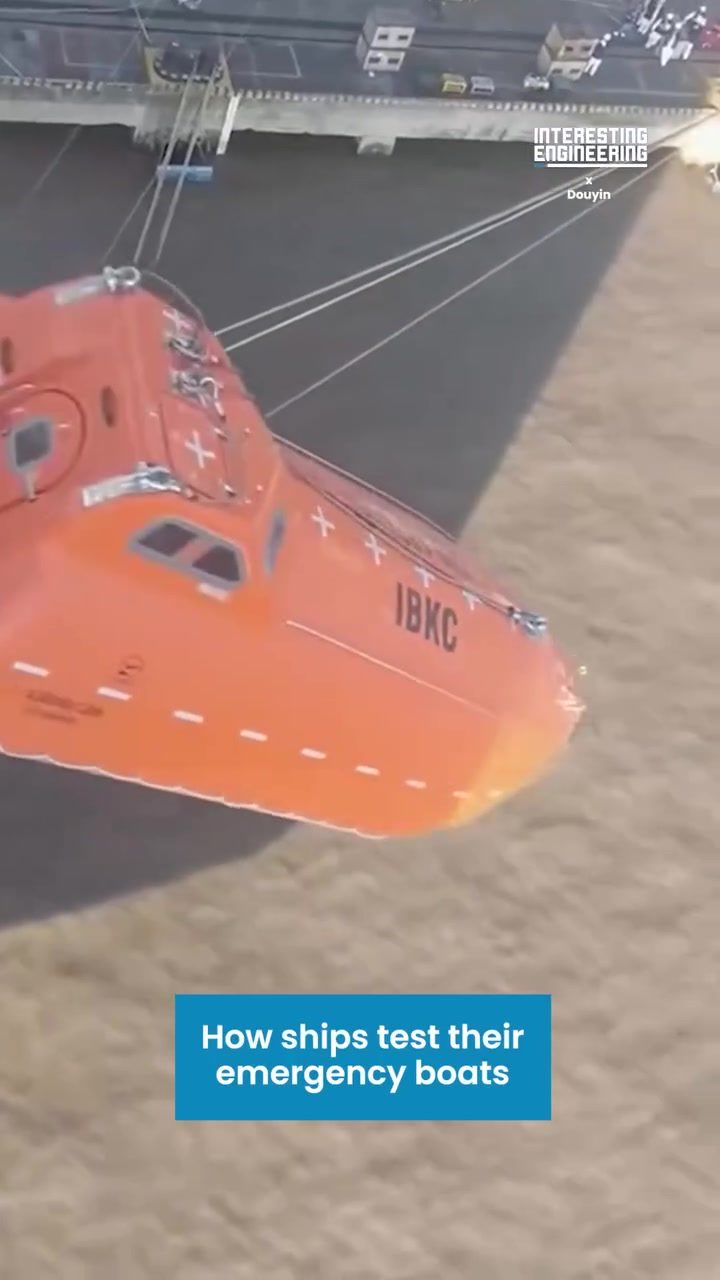
Ship Emergency Boat Testing: Ensuring Safety at Sea
Emergency boat testing is a crucial aspect of maritime safety. These boats are designed to ensure the survival of passengers and crew in dire situations at sea. Ships regularly conduct tests to simulate the chaos and instability that can occur during an emergency. One critical aspect of this testing is the launch process, which often involves simulating a significant drop from the deck of the ship into the ocean.
Why It Matters
The safety of passengers and crew is always paramount in maritime operations. Emergency boats are a vital component of this safety strategy. These boats are designed to remain fully operational even after a sudden, uncontrolled drop into the ocean. The testing process ensures that, in the event of an emergency, the boats will be ready to be deployed swiftly and efficiently, providing a safe means of escape for those on board.
The Process of Emergency Boat Testing
The Purpose of the Tests
Emergency boat tests are performed to simulate real-world emergency scenarios. These tests are crucial for validating the functionality and stability of the boats. During a test, the boat is launched from the ship's deck, often in a manner that simulates a sudden, uncontrolled drop into the ocean. This extreme scenario ensures that the boat can handle the impact and remain functional.
Launching the Boat
The launch process is a critical part of the test. The boat is typically launched from a height, simulating the drop from a ship's deck. This height can vary depending on the specific ship and the design of the emergency boat. The goal is to ensure that the boat can withstand a significant impact and remain seaworthy. Water splashes around the boat as it hits the water, demonstrating its stability and functionality.
Simulating Rough Sea Conditions
One of the key challenges in emergency boat testing is simulating rough sea conditions. The boats are launched into turbulent water to ensure they can handle the instability of the ocean. The tests evaluate the boat's ability to remain stable and functional even in the most adverse conditions. This is crucial for ensuring that passengers and crew can use the boat to escape during an emergency.
Practical Tips for Emergency Boat Testing
When conducting emergency boat tests, there are several key considerations to keep in mind. These tips help ensure that the tests are as realistic and effective as possible.
Conduct Regular Tests
Regular testing is essential for maintaining the readiness of emergency boats. Conducting these tests on a schedule ensures that the boats remain in good working order and that the crew is familiar with the launch and deployment procedures.
Simulate Real-World Conditions
Simulating real-world conditions as closely as possible is crucial for effective testing. This includes launching the boat from a height that approximates a drop from the ship's deck and ensuring that the water conditions are rough enough to replicate an emergency situation.
Ensure Proper Documentation
Documenting the tests thoroughly is important for reviewing the results and making any necessary adjustments. This includes recording the launch process, the boat's performance in the water, and any issues that arise during the test.
Train the Crew
Training the crew on the proper procedures for launching and deploying the emergency boats is essential. Regular drills and training sessions help ensure that the crew is prepared to handle an emergency situation effectively.
Important Takeaways
Emergency boat testing is a vital component of maritime safety. These tests help ensure that the boats are ready to be deployed in the event of an emergency, providing a safe means of escape for passengers and crew. By simulating real-world conditions and conducting regular tests, ships can maintain the readiness and functionality of their emergency boats.
Conclusion
Emergency boat testing is an essential aspect of maritime safety. By simulating real-world conditions and conducting regular tests, ships can ensure that their emergency boats are ready to handle any situation. These boats are a crucial component of maritime safety, providing a safe means of escape in emergency situations. Understanding the importance of these tests and the procedures involved can help ensure that ships are prepared for any eventuality at sea.
Watch the Reel
Questions readers ask
What is a sky launch boat test and why is it important for ships?
A sky launch boat test simulates an emergency boat launch from a great height, mimicking a sudden, uncontrolled drop into the ocean. This test is crucial for assessing the boat's stability, durability, and operational functionality under extreme conditions, ensuring reliable emergency evacuation for passengers and crew.
How often should emergency boat tests be conducted on ships?
Ships should conduct emergency boat tests regularly to ensure the boats' functionality and the crew's preparedness. While specific intervals may vary, it is essential to conduct these tests frequently enough to account for any changes in the boat, crew or environmental conditions.
What aspects of emergency boat survival are evaluated during these tests?
Testing evaluates critical aspects such as stability, operational functionality, and the boat's ability to remain intact and seaworthy after the emergency launch. Additionally, these tests assess the performance of the life-saving equipment and the team's ability to execute an emergency launch.
What happens during an emergency boat launch from a ship's deck?
During an emergency boat launch, the boat is rapidly deployed from the ship's deck, often from a significant height, and into the ocean. This process is designed to ensure that the boat can be quickly and safely launched even in the midst of chaos and instability, providing a reliable means of escape for passengers and crew.
Who is responsible for conducting and overseeing emergency boat tests on ships?
The ship's crew, specifically those trained in emergency procedures, is typically responsible for conducting these tests. Oversight may come from maritime authorities, ship management, or regulatory bodies, ensuring that the tests meet the required standards and guidelines.
What preparations are necessary before conducting an emergency boat test?
Before conducting an emergency boat test, it is essential to ensure that the boat and all its equipment are in good working order. The crew should be well-trained and prepared, and all safety protocols should be followed. The test should be conducted in a controlled and safe environment, with emergency response services on standby.
How does conducting emergency boat tests contribute to overall ship safety protocols?
Regular emergency boat tests contribute to overall ship safety by ensuring that the boats and crew are prepared for any situation. These tests help identify potential issues, validate the effectiveness of the launch process, and maintain the reliability of the emergency evacuation system, enhancing the safety of all on board.
Recent articles
Fresh deep dives from the latest Reels we unpacked.




Comments
Be the first to comment.