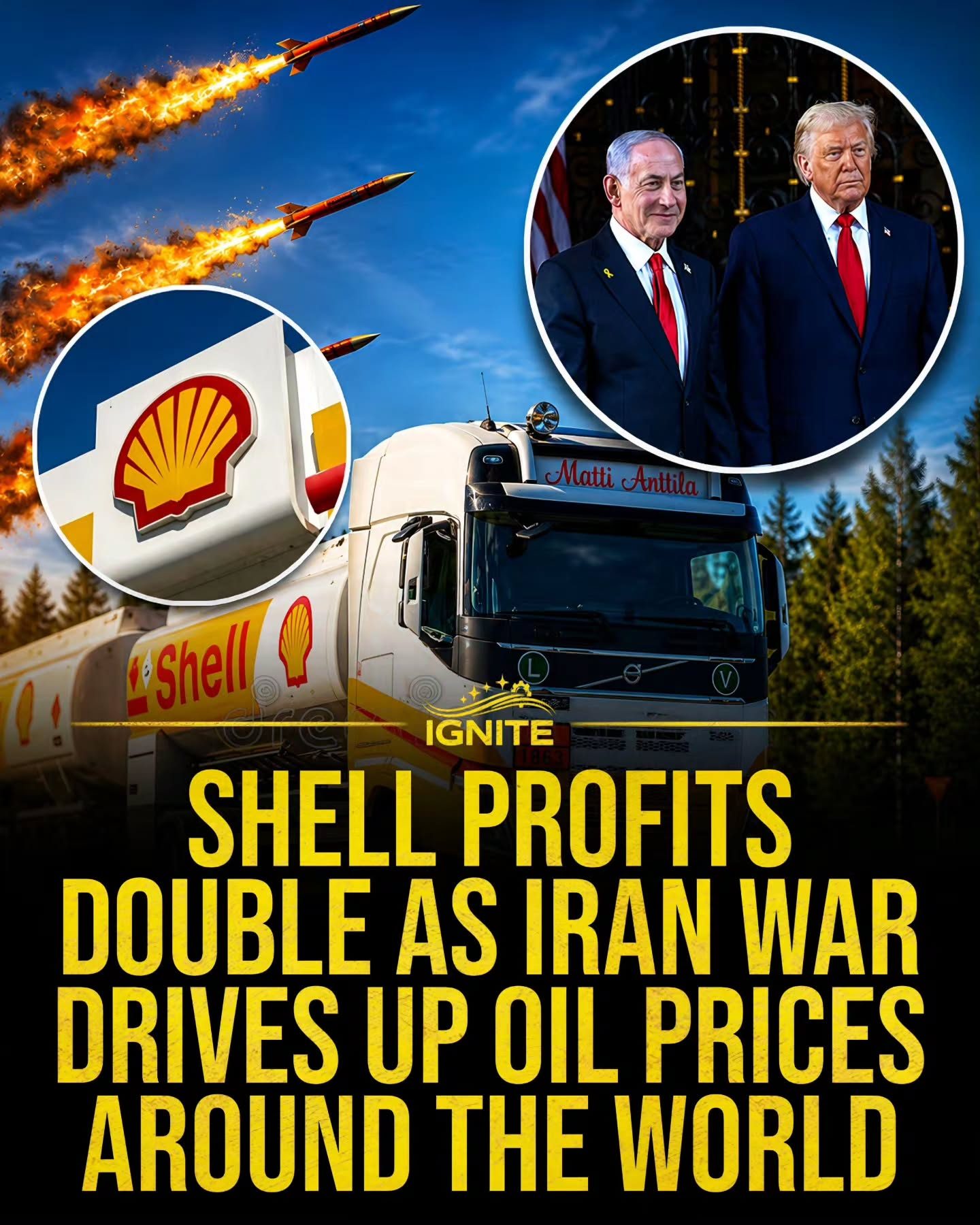
Political Commentary on Oil Prices
The relationship between oil prices, geopolitical events, and corporate profits is a complex and often contentious issue. Recently, the spotlight has been on Shell, one of the world's largest oil and gas companies, amidst rising oil prices fueled by the Iran war. This situation has sparked significant debate and criticism, particularly regarding the corporation's profits and the broader implications for the global economy.
Why This Matters
Understanding the interplay between geopolitical conflicts, oil prices, and corporate profits is crucial for several reasons. Firstly, fluctuations in oil prices can have a ripple effect on global economies, affecting everything from consumer goods to industrial production. Secondly, the profits of major oil corporations often come under scrutiny during such periods, raising questions about corporate responsibility and the ethical implications of profiting from conflict-driven price hikes. Lastly, the political landscape can significantly influence these dynamics, with leaders playing pivotal roles in shaping policies and public sentiment.
Main Discussion
The Impact of the Iran War on Oil Prices
The Iran war has been a significant driver of rising oil prices. As one of the world's largest oil producers, Iran's geopolitical instability has led to supply disruptions, creating a scarcity that drives up prices. This situation is exacerbated by the fact that many countries rely heavily on oil imports, making them particularly vulnerable to price fluctuations. The uncertainty and risk associated with the conflict make investors wary, leading to further price volatility.
Shell, with its extensive oil and gas operations, has been directly affected by these price increases, particularly through its production and distribution networks. The company's financial performance has been a focal point of public interest, with critics arguing that Shell's profits have doubled amidst the turmoil.
Corporate Responsibility and Profitability
The notion of corporate responsibility in the context of rising oil prices and geopolitical conflict is multifaceted. While companies like Shell are legally obligated to maximize profits for their shareholders, the ethical implications of doing so in the midst of a conflict are often debated.
The criticism directed at Shell centers on the idea that the company is profiting disproportionately from a situation that causes economic hardship for many. This argument is bolstered by the fact that oil prices are driven up by factors largely beyond the control of the average consumer, making the cost of living more expensive. Critics contend that companies like Shell should consider the broader societal impact of their profit-driven strategies, especially during times of geopolitical instability.
Political Implications
Political figures, including former U.S. President Donald Trump, have been drawn into the discussion. Trump's administration, known for its strong stance on foreign policy, particularly in the Middle East, has been a subject of interest in this context. The political landscape can significantly influence public opinion and regulatory environments, affecting how companies like Shell operate and the level of scrutiny they face.
The Role of Public Opinion
Public opinion plays a critical role in shaping the narrative around corporate profits and geopolitical conflicts. The visibility of a large truck with a Shell logo, coupled with criticisms about the company's profits, underscores the power of visual and textual messaging in shaping public perception. Such imagery can galvanize public sentiment, leading to calls for greater corporate transparency and accountability.
Practical Tips
For those interested in staying informed about these issues, consider the following tips:
- Stay Informed: Keep up with reliable news sources that provide in-depth coverage of geopolitical events and their economic implications.
- Analyze Reports: Review financial reports and corporate statements to understand the profitability and operational strategies of major oil companies.
- Engage in Discussion: Participate in discussions and forums where these topics are debated. This can provide a broader perspective and help you form a more nuanced understanding of the issues.
- Advocate for Transparency: Support initiatives that promote corporate transparency and ethical business practices.
Important Takeaways
- Geopolitical Conflicts: Have a direct impact on oil prices, affecting global economies and consumer costs.
- Corporate Profits: Fluctuations in oil prices can significantly impact the profitability of major oil corporations, raising questions about corporate responsibility.
- Public Opinion: Plays a crucial role in shaping the narrative around these issues, influencing public sentiment and regulatory environments.
- Political Landscape: Can significantly influence corporate operations and public perception.
Conclusion
The interplay between oil prices, geopolitical conflicts, and corporate profits is a complex issue with far-reaching implications. Understanding this relationship is essential for navigating the economic landscape and promoting informed public discourse. Whether through staying informed, analyzing reports, engaging in discussion, or advocating for transparency, individuals can play a role in shaping a more accountable and ethical corporate environment.
Watch the Reel
Questions readers ask
How is the Iran war affecting oil prices and Shell's profits?
The Iran war has caused significant supply disruptions, leading to a scarcity of oil and driving up prices. As one of the world's largest oil and gas companies, Shell is directly impacted by these price increases, resulting in soaring profits for the corporation. The geopolitical instability in Iran has exacerbated the price hikes, as global demand remains high.
What is the debate surrounding Shell's profits during the Iran war?
The debate centers around the ethics of profiting from conflict-driven price hikes. Critics argue that Shell and other oil giants are benefiting financially from the suffering and instability caused by the Iran war, while supporters may point to the complexities of global oil markets and the need for reliable energy supplies.
How do supply disruptions in Iran impact global oil prices?
Supply disruptions in Iran reduce the overall availability of oil in the global market. This scarcity, coupled with consistent demand, drives up oil prices worldwide. Shell, along with other major oil companies, feels the impact of these price increases, which can lead to substantial profits.
What are the broader implications of Shell's profits amidst the Iran war?
The broader implications include the potential for increased economic inequality, as rising oil prices can disproportionately affect lower-income consumers. Additionally, the situation raises questions about corporate responsibility and the role of oil companies in global conflicts, as well as the potential influence on geopolitical dynamics.
Why are geopolitical conflicts like the Iran war significant for oil prices?
Geopolitical conflicts can disrupt oil supply chains, leading to reduced availability and increased demand. This imbalance drives up oil prices, benefiting major oil companies like Shell. The Iran war, in particular, has highlighted the sensitivity of oil prices to geopolitical events and the complex interplay between conflict and corporate profits.
What role do oil giants play in the context of conflicts like the Iran war?
Oil giants, such as Shell, play a significant role in supplying global energy needs. During conflicts, their profits can increase due to higher oil prices, sparking debates about their corporate responsibility and the ethics of profiting from conflict-driven price hikes. The actions and policies of these companies can influence global oil markets and geopolitical dynamics.
How might Shell's profits during the Iran war influence consumer prices?
The soaring profits of Shell and other oil giants can contribute to higher consumer prices for various goods and services that rely on oil. This is because the increased cost of oil can lead to higher production and transportation costs, which are often passed on to consumers. The impact can be felt across various sectors, from fuel at the pump to everyday consumer products.
Recent articles
Fresh deep dives from the latest Reels we unpacked.




Comments
Be the first to comment.