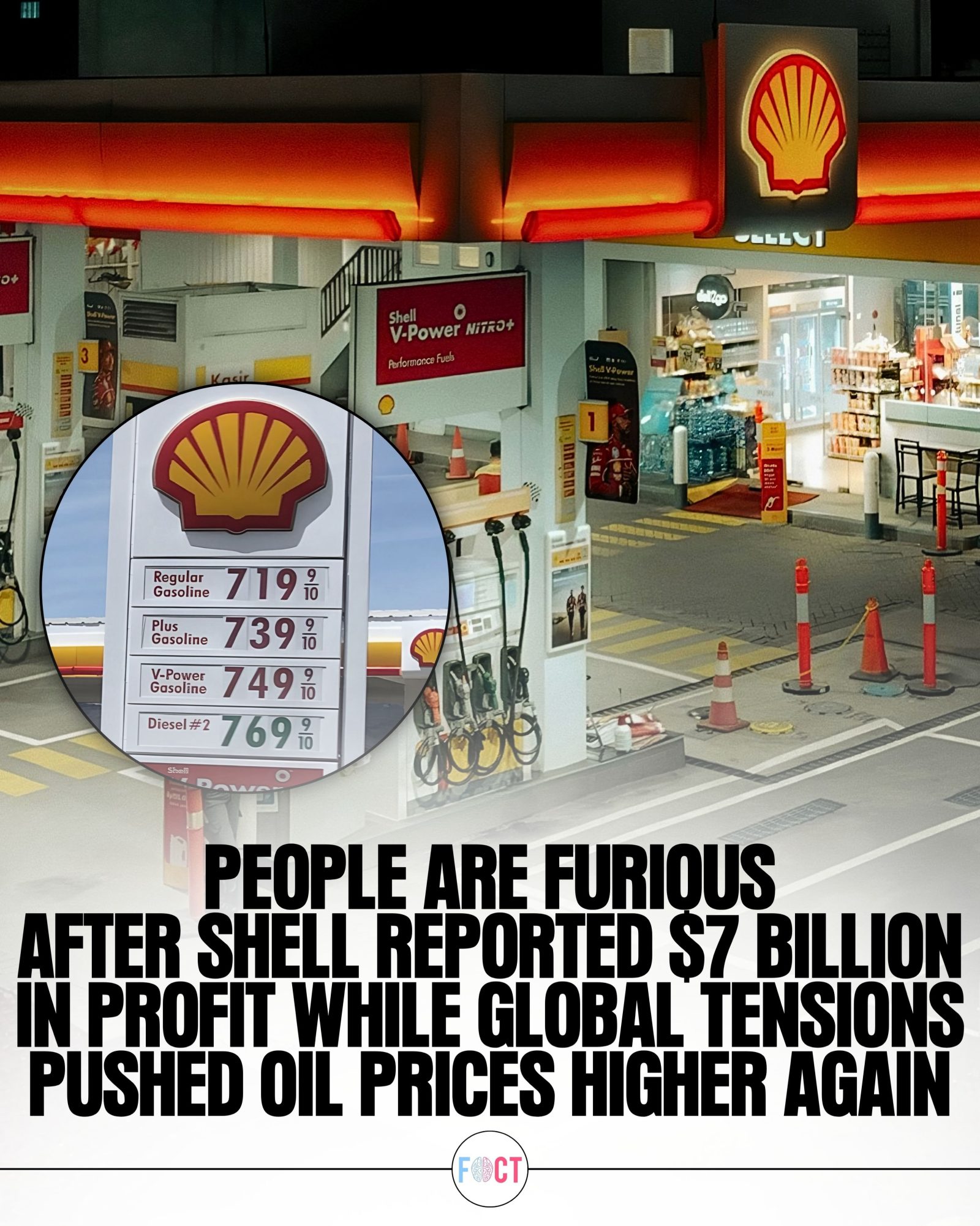
Shell Profits Under Scrutiny Amid High Gas Prices and Geopolitical Tensions
Shell’s recent financial report, which revealed nearly $7 billion in adjusted earnings, has sparked intense debate and criticism. This substantial profit was reported during a period marked by rising oil prices, largely driven by escalating geopolitical tensions involving the U.S., Israel, and Iran. The surge in oil prices has had a direct impact on consumers, who have seen gas prices rise significantly.
Why This Matters
Understanding the dynamics between energy companies, geopolitical events, and consumer prices is crucial. Rising oil prices and their impact on global markets are directly tied to these tensions and the potential disruptions they cause. Investors, fearing instability in supply chains and shipping routes, react by raising the price of oil, which then trickles down to consumers in the form of higher gas prices.
The Impact of Geopolitical Tensions on Oil Prices
Oil prices are highly sensitive to geopolitical conflicts. During major conflicts, particularly those in oil-rich regions like the Middle East, investors worry about disruptions in supply. This leads to a spike in oil prices as markets anticipate potential shortages. The recent tensions involving the U.S., Israel, and Iran are a prime example of this phenomenon. As fears of broader instability in the region grew, energy markets reacted by driving oil prices higher.
As oil prices rise, so do gas prices. This direct correlation can be seen at the pump, where consumers are paying more for gasoline. Shell, along with other energy companies, has reported significant profits during this period. This has led to a growing debate about whether energy companies should benefit so heavily from these market conditions.
Public Reactions and the Debate on Windfall Taxes
The public's response to Shell's $7 billion in profits has been mixed. Many are questioning why gas prices rise so quickly for consumers while energy companies continue to post such massive profits. This has reignited calls for "windfall taxes," which are taxes imposed on companies that experience extraordinary profits, often due to unforeseen or favorable market conditions. Critics argue that energy companies should not be able to profit so heavily during periods of global instability.
Opponents of windfall taxes, however, point out that oil prices are influenced by a multitude of factors, including international markets, investor speculation, and supply-demand dynamics. These factors affect the entire industry, not just a single company. Therefore, they argue, imposing a windfall tax on one company may not address the underlying issues driving high oil prices.
The Role of International Markets and Supply-Demand Dynamics
Energy markets are complex and influenced by a variety of factors. Oil prices are set on a global scale and can be swayed by events in different parts of the world. Geopolitical tensions, economic policies, and shifts in supply and demand are all significant drivers of oil prices. As these factors change, the price of oil fluctuates, affecting everything from production costs to consumer prices.
Supply-demand dynamics, for example, play a critical role. When demand outstrips supply, prices go up. Conversely, when supply exceeds demand, prices go down. This is a fundamental aspect of markets and is the reason why oil prices can fluctuate so dramatically. Investor speculation can also have a significant impact, as traders buy and sell oil futures based on their expectations of future prices.
Practical Tips for Consumers
Consumers can take several practical steps to mitigate the impact of high gas prices on their budgets. These tips can help manage fuel expenses:
- Use public transportation — opting for public transport can reduce your carbon footprint and save on fuel costs.
- Carpool — sharing rides with colleagues or neighbors can significantly lower gas expenses.
- Improve fuel efficiency — regular vehicle maintenance and ensuring proper tire inflation can enhance fuel efficiency.
- Monitor prices — use apps or websites that track local gas prices to find the best deals in your area.
- Consider electric vehicles — if feasible, switching to an electric vehicle can eliminate fuel costs completely.
Important Takeaways
Understanding the multifaceted reasons behind rising gas prices is essential. Geopolitical tensions, market speculation, and supply-demand dynamics all play significant roles. While energy companies face criticism for their profits, it's important to recognize the complex nature of the industry. The debate around windfall taxes highlights the need for balanced policies that address both consumer concerns and market realities.
Conclusion
The current situation where Shell and other energy companies are reporting substantial profits during a period of high gas prices underscores the intricate relationship between geopolitics, markets, and consumer costs. As consumers continue to grapple with rising fuel prices, it's clear that a balanced approach to addressing these issues is needed. By understanding the factors driving these changes and taking proactive steps, consumers can better navigate the challenges posed by high gas prices.
Watch the Reel
Questions readers ask
How do geopolitical tensions impact oil prices and, consequently, Shell's profits?
Geopolitical tensions, such as those involving the U.S., Israel, and Iran, can disrupt oil supply chains, leading to decreased oil production and reduced supply. This decrease in supply, coupled with consistent demand, drives up oil prices. Shell's profits are directly linked to oil prices, so when prices rise, their profits tend to increase as well, which can lead to a situation where Shell profits billions during times of high gas prices.
Why are consumers seeing higher gas prices when oil companies like Shell are profiting?
When oil prices rise due to factors like geopolitical tensions, the cost of producing gasoline increases. Gasoline suppliers and retailers pass these increased costs on to consumers, resulting in higher gas prices at the pump. Meanwhile, energy companies like Shell benefit from the higher oil prices, leading to increased profits.
What role do oil prices play in determining Shell's billion-dollar profits?
Oil prices are a significant factor in determining Shell's profits. When oil prices rise, the revenue generated from selling oil and oil products increases. This higher revenue, coupled with cost management, contributes to Shell's substantial profits, which in 2023 amounted to nearly $7 billion.
How do global oil tensions influence the energy market and Shell's performance?
Global oil tensions can cause instability in the energy market by disrupting oil supply and leading to price volatility. This instability can benefit companies like Shell, as they may be able to sell their products at higher prices. This can result in increased profits for energy companies, even if the volatility has negative effects on the broader energy market.
What factors contribute to the ethical debate surrounding Shell's profits during high gas prices?
The ethical debate surrounding Shell's profits during high gas prices revolves around the perception of profiting from consumers' hardship. While Shell's profits are driven by market forces, some argue that the company should reinvest more in renewable energy or provide greater relief to consumers. Additionally, the impact of high oil prices on consumers' cost of living is a significant factor in this debate.
How do investors view Shell's profits in the context of global geopolitical tensions?
Investors often view Shell's profits as a reflection of the company's resilience and ability to navigate global geopolitical tensions. However, they also consider the potential risks and impacts of these tensions on oil supply and pricing. As geopolitical tensions can lead to market volatility, investors closely monitor how Shell manages these risks and maintains its profitability in a dynamic global energy market.
Recent articles
Fresh deep dives from the latest Reels we unpacked.




Comments
Be the first to comment.