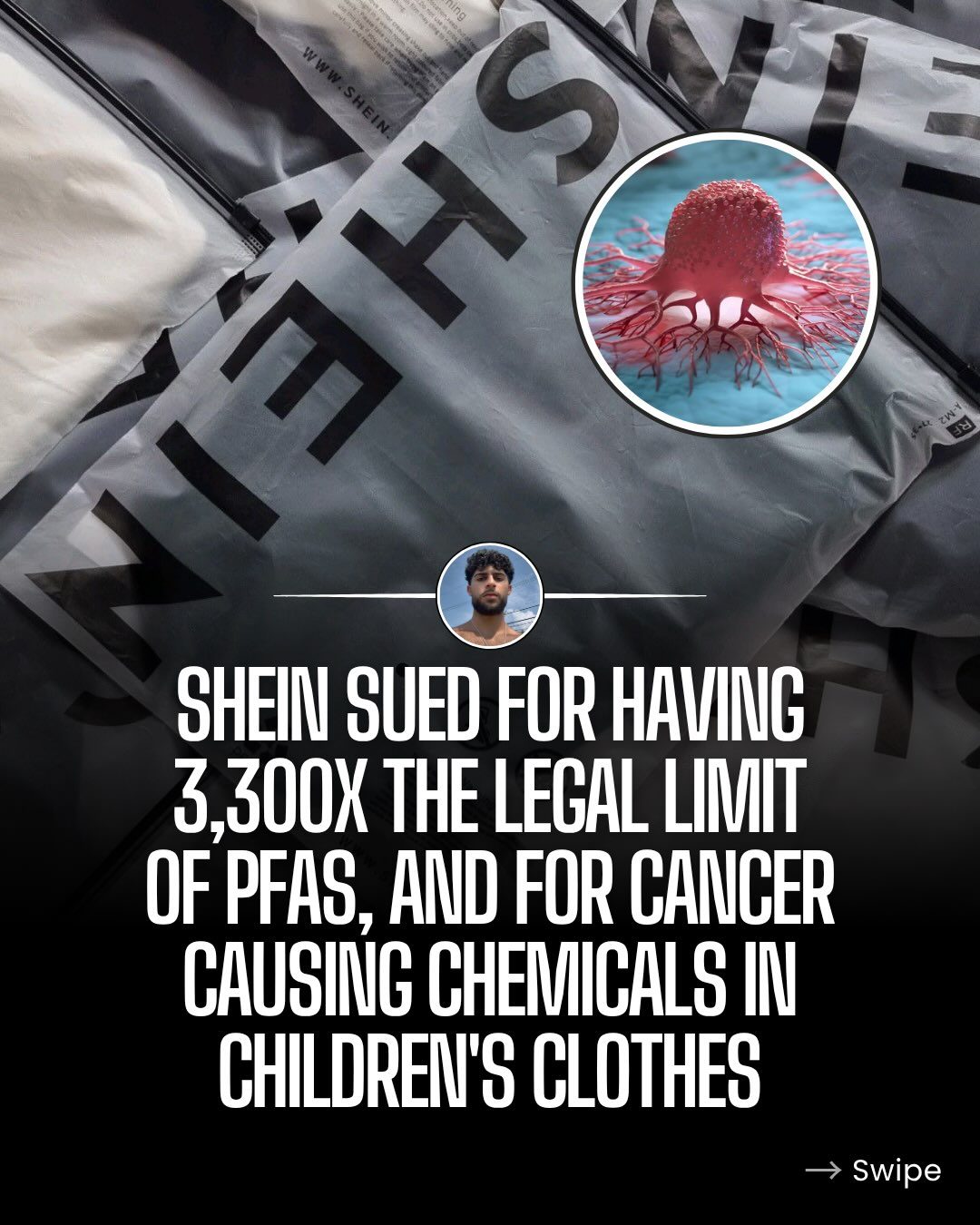
Shein Lawsuit Over Toxic Chemicals in Clothing
Clothing has been at the center of a concerning legal battle involving the fast-fashion retailer Shein. This lawsuit, initiated by the Texas Attorney General, alleges that Shein has been selling clothing items contaminated with harmful chemicals, including some products designed for children. The claims highlight the presence of chemicals like PFAS, phthalates, formaldehyde, lead, and cadmium, with some items containing levels of these substances far exceeding legal limits.
These chemicals have been linked to a variety of health risks, including hormone disruption and cancer. PFAS, for instance, are known as "forever chemicals" because of their persistence in the environment and the human body. Phthalates are endocrine disruptors and possible carcinogens, while formaldehyde is a known human carcinogen. Lead and cadmium are also known to have severe health implications, with cadmium being a probable carcinogen.
Why This Matters
The presence of these harmful chemicals in clothing is a significant concern for public health, especially for vulnerable populations such as newborns, expecting mothers, and children. Understanding the risks and the extent of the contamination is crucial for consumers who want to make informed purchasing decisions.
Main Discussion
The Legal Battle
The lawsuit filed by the Texas Attorney General specifically highlights that some Shein products were found to contain up to 3,300 times the legal limit of PFAS. This alarming discovery underscores the severity of the issue and the potential health risks associated with these chemicals. Shein's alleged practice of removing flagged items and then re-listing nearly identical products under new product IDs adds another layer of complexity to the situation. This tactic, if true, could make it difficult for regulators and consumers to monitor the safety of Shein's products effectively.
The Chemicals in Question
PFAS
PFAS, or per- and polyfluoroalkyl substances, are a group of man-made chemicals that have been widely used in various industries, including the production of clothing. These chemicals are known for their resistance to heat, oil, grease, and water, making them popular in the manufacturing of waterproof and stain-resistant fabrics. However, their persistence in the environment and potential health risks have made them a subject of regulatory scrutiny.
Phthalates
Phthalates are a class of chemicals used to soften plastics and make them more flexible. They are commonly found in clothing, especially in items like PVC (polyvinyl chloride) fabrics. Phthalates have been linked to endocrine disruption and potential carcinogenic effects, and their presence in children's clothing is particularly concerning.
Lead and Cadmium
Lead and cadmium are heavy metals that can be found in various consumer products, including clothing. Lead can affect the nervous system and cause developmental issues in children, while cadmium is a probable carcinogen. The presence of these metals in sandals, shoes, and other accessories raises questions about the safety standards in the fashion industry.
Formaldehyde
Formaldehyde is a chemical used in the manufacturing process of some textiles, particularly in the production of wrinkle-resistant fabrics. While it is generally present in small amounts, formaldehyde is a known human carcinogen, and its presence in children's clothing is a significant concern.
The Allegations
The lawsuit alleges that Shein has been removing flagged items from their inventory and re-listing nearly identical products under new product IDs. This practice, if true, could potentially circumvent regulatory oversight and continue to put consumers at risk. The allegations suggest a pattern of non-compliance with safety regulations, which raises questions about the integrity of the company’s quality control measures.
Practical Tips
How to Stay Informed
- Check Labels: Always check the labels and ingredient lists of clothing items, especially those for children. Look for certifications that indicate the product has been tested for harmful chemicals.
- Research Brands: Research the brands you are considering purchasing from. Look for information on their safety standards, quality control measures, and any history of product recalls or lawsuits related to chemical contamination.
- Regulatory Resources: Utilize resources provided by regulatory bodies, such as the Environmental Protection Agency (EPA) and the Consumer Product Safety Commission (CPSC), to stay informed about product recalls and safety alerts.
- Support Legislation: Support legislation that aims to strengthen regulations on chemical use in consumer products. Advocating for stricter standards can help ensure the safety of clothing and other consumer items.
Making Safer Choices
- Avoid Fast Fashion: Fast fashion brands often prioritize speed and cost over quality and safety. Choosing sustainable, ethical brands that prioritize safety and environmental impact can reduce the risk of exposure to harmful chemicals.
- Opt for Natural Fabrics: Fabrics like cotton, linen, and wool are generally safer and more eco-friendly. They are less likely to contain harmful chemicals.
- Cleaning and Care: Follow the care instructions for your clothing to reduce the release of any potential chemicals. Washing new clothes before wearing them can help remove some residual chemicals from the manufacturing process.
Important Takeaways
The presence of harmful chemicals in clothing is a severe issue that affects consumers' health and safety. The allegations against Shein highlight the importance of stringent regulatory oversight and consumer awareness. By making informed choices and supporting legislation that prioritizes safety, consumers can help drive the industry towards better practices.
Conclusion
The lawsuit against Shein over toxic chemicals in their clothing underscores the need for vigilance in the fashion industry. Consumers must stay informed, make safer choices, and advocate for stricter regulations to protect themselves and their families. The issue of chemical contamination in clothing is not just about one brand; it highlights a broader problem in the industry that requires collective action from consumers, regulators, and manufacturers alike.
Watch the Reel
Questions readers ask
What chemicals are Shein accused of using in their children's clothing?
Shein is accused of using several harmful chemicals in their children's clothing, including PFAS, phthalates, formaldehyde, lead, and cadmium. These chemicals are linked to various health risks, such as hormone disruption and cancer.
Why is the presence of PFAS in clothing concerning?
PFAS, or 'forever chemicals,' are concerning because they persist in the environment and the human body for extended periods. Exposure to PFAS has been linked to numerous health issues, including immune system effects, thyroid and liver problems, and certain types of cancer.
What actions has the Texas Attorney General taken against Shein?
The Texas Attorney General has filed a lawsuit against Shein, alleging that the retailer has been selling clothing items contaminated with harmful chemicals. This action is in response to reports of chemicals in children's clothing exceeding legal limits.
How do phthalates in children's clothing pose a risk?
Phthalates are endocrine disruptors, which means they can interfere with the body's hormone systems. In children, exposure to phthalates has been associated with developmental and reproductive problems, making their presence in kids' clothing particularly alarming.
What are the health risks associated with lead and cadmium in children's clothing?
Lead and cadmium are heavy metals that can be toxic even in small amounts. Exposure to these metals can lead to developmental delays, learning difficulties, and other serious health problems in children. Both metals can be harmful if ingested, inhaled, or absorbed through the skin.
Recent articles
Fresh deep dives from the latest Reels we unpacked.




Comments
Be the first to comment.