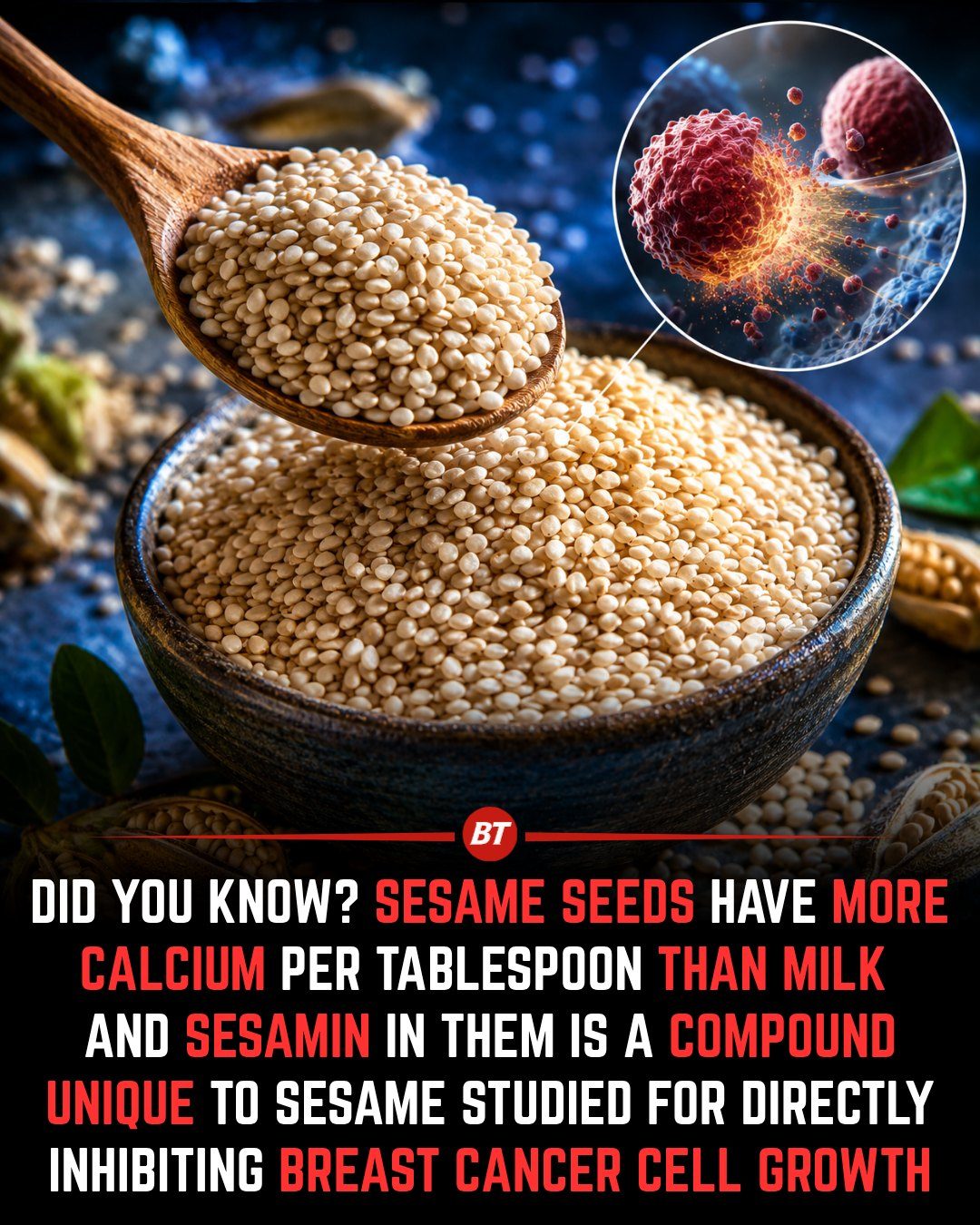
Sesame Seeds: Nutrition Powerhouses
Sesame seeds are tiny but mighty, offering a wealth of nutritional benefits that often go unrecognized. These small seeds are packed with essential minerals and a unique plant compound that sets them apart from other seeds and nuts. Understanding the benefits of sesame seeds can help you make informed choices about incorporating them into your diet.
Why This Matters
In a world where calcium is often associated with dairy products, sesame seeds stand out as an excellent plant-based source of this crucial mineral. Beyond calcium, sesame seeds contain a variety of other nutrients and a unique compound called sesamin, which has been the subject of significant scientific research. Incorporating sesame seeds into your diet can be a simple yet effective way to boost your nutritional intake.
Calcium and More
High in Calcium
One of the standout features of sesame seeds is their high calcium content. Per tablespoon, sesame seeds contain more calcium than milk. This makes them an excellent addition to a calcium-rich diet, especially for those who are lactose intolerant or follow a plant-based diet. Although some of the calcium in sesame seeds is bound to natural compounds like oxalates and phytates, which can reduce absorption, the overall calcium content is still impressive. Unhulled sesame seeds, in particular, are a rich source of this bone-building mineral.
Rich in Other Minerals
In addition to calcium, sesame seeds are packed with other essential minerals. They are a good source of magnesium, zinc, copper, and iron. These minerals play crucial roles in various bodily functions, including energy production, immune function, and blood health. Including sesame seeds in your diet can help ensure you're getting a wide range of essential minerals.
The Unique Benefits of Sesamin
What is Sesamin?
Sesamin is a lignan, a type of plant compound found almost exclusively in sesame seeds. Over the past two decades, researchers have studied sesamin for its powerful antioxidant and anti-inflammatory properties. These properties make sesamin a valuable component of a healthy diet.
Potential Anti-Cancer Properties
One of the most intriguing areas of research on sesamin involves its potential effects on cancer cells. Laboratory studies have found that sesamin can slow the growth and trigger programmed cell death (apoptosis) in certain breast cancer cell lines. This is achieved by influencing pathways involved in cell division and survival. While these findings are promising, it's important to note that most of the research has been conducted in cell culture and animal studies. Scientists are still investigating whether the same effects occur in humans.
Antioxidant and Anti-Inflammatory Effects
Sesamin's antioxidant and anti-inflammatory properties are also noteworthy. These properties help protect the body from oxidative stress and inflammation, which are linked to various chronic diseases, including heart disease and certain types of cancer. By reducing oxidative stress and inflammation, sesamin can contribute to overall health and well-being.
Practical Tips
How to Incorporate Sesame Seeds into Your Diet
Adding sesame seeds to your diet is easy and can be done in a variety of delicious ways. Here are some practical tips:
- Sprinkle on Salads: Add a tablespoon or two of sesame seeds to your favorite salads for a nutty flavor and crunchy texture.
- Enhance Veggies: Top roasted or steamed vegetables with sesame seeds for added flavor and nutrition.
- Oatmeal and Yogurt: Stir sesame seeds into your morning oatmeal or yogurt for a nutrient boost.
- Stir-Fries: Include sesame seeds in your stir-fries for added texture and flavor.
- Tahini: Enjoy tahini, a sesame seed paste, as a spread or dip. It's a delicious way to boost your intake of minerals and beneficial plant compounds.
Sesame Seeds in Cooking
Sesame seeds are a versatile ingredient in cooking. They can be used in both sweet and savory dishes. For example, sesame seeds can be used to make sesame crackers, sesame bread, or sesame-infused desserts. Experiment with different recipes to find your favorite ways to incorporate sesame seeds into your meals.
Important Takeaways
- Sesame seeds are an excellent source of calcium, making them a valuable addition to a calcium-rich diet.
- They contain a unique compound called sesamin, which has powerful antioxidant and anti-inflammatory properties.
- Sesamin has been studied for its potential effects on cancer cells, although more research is needed to confirm these effects in humans.
- Sesame seeds are rich in other essential minerals, including magnesium, zinc, copper, and iron.
- Incorporating sesame seeds into your diet is easy and can be done in a variety of delicious ways.
Conclusion
Sesame seeds are a nutritional powerhouse, offering a wealth of benefits that make them a valuable addition to any diet. From their high calcium content to their unique compound, sesamin, sesame seeds provide a range of health advantages that are worth exploring. By incorporating sesame seeds into your meals, you can boost your nutritional intake and enjoy the many benefits these tiny seeds have to offer.
Watch the Reel
Questions readers ask
How much calcium do sesame seeds contain?
Sesame seeds are exceptionally high in calcium. Just one ounce of sesame seeds provides around 28% of the daily recommended calcium intake, making them a strong plant-based source of this mineral.
What is sesamin and why is it important?
Sesamin is a unique plant compound found in sesame seeds. It has been studied for its potential health benefits, including antioxidant properties and potential effects on heart health, such as reducing cholesterol levels.
Can sesame seeds be a good alternative to dairy for calcium?
Yes, sesame seeds can be an excellent alternative for those looking to avoid dairy. A quarter cup of sesame seeds contains about as much calcium as a cup of milk, making them a valuable addition to a plant-based diet. They are also versatile and can be sprinkled on salads, used in baking, or added to smoothies.
What other minerals are found in sesame seeds?
In addition to calcium, sesame seeds are rich in various minerals, including magnesium, phosphorus, and iron. They also provide small amounts of zinc, copper, and manganese, contributing to overall health and well-being.
How can incorporating sesame seeds benefit bone health?
The high calcium content in sesame seeds makes them a valuable dietary component for maintaining bone health. Calcium is essential for bone strength and density, and incorporating sesame seeds into your diet can help meet your daily calcium needs, especially for those who are lactose intolerant or following a plant-based diet.
Are there any studies on sesame seeds and cancer prevention?
Some research suggests that the lignans and sesamin in sesame seeds may have anti-cancer properties. Studies have indicated that these compounds might help prevent certain types of cancer by inhibiting tumor growth and inducing cancer cell death. However, more research is needed to fully understand these potential benefits.
How do sesame seeds compare to other seeds and nuts in terms of nutrition?
Sesame seeds stand out from other seeds and nuts due to their high calcium content and the presence of sesamin. While other seeds and nuts offer various health benefits, sesame seeds are unique in their nutritional profile, making them a valuable addition to a balanced diet.
Related deep dives
Similar reads based on topic and creator.




Recent articles
Fresh deep dives from the latest Reels we unpacked.




Comments
Be the first to comment.