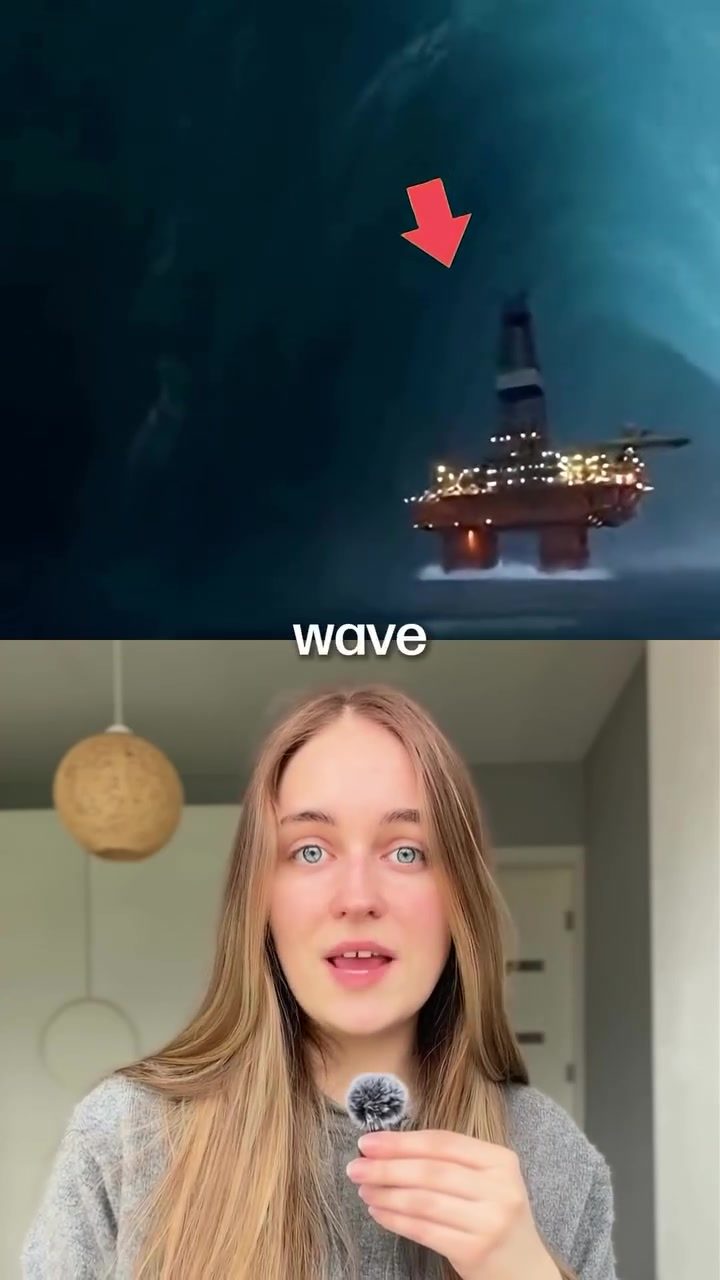
Offshore Engineering: The Remarkable Stability of Semi-Submersible Oil Platforms
Semi-submersible oil platforms, also known as semis, are engineering marvels designed to operate in some of the harshest environments on Earth. These structures are essential for deepwater drilling, where the water depth exceeds 1,500 feet (457 meters). They are built to withstand extreme weather conditions and massive waves, making them a crucial component of offshore oil and gas production.
Why This Matters
Offshore engineering, particularly the design and operation of semi-submersible platforms, is vital for accessing oil and gas reserves in deepwater environments. These platforms enable energy extraction in areas that would otherwise be inaccessible, contributing significantly to global energy supply.
The Design and Function of Semi-Submersible Platforms
Floating in Ultra-Deep Waters
In ultra-deep waters, it is impractical to use fixed structures like concrete pillars that reach all the way to the seabed. Instead, semi-submersible platforms float in the ocean. This design allows them to operate in water depths where traditional structures would be unstable. These platforms are designed to withstand powerful storms and massive waves by employing a semi-submersible configuration.
Lowering the Center of Gravity
Engineers use a clever semi-submersible design to ensure stability. The key to this design is the use of large lower pontoons, which are filled with thousands of tons of ballast water. This process lowers the platform's center of gravity deep below the surface, where the force of the waves is substantially weaker. By doing so, the platform avoids direct resistance to the waves and instead moves in harmony with the ocean's motion, reducing the risk of structural damage.
Stability and Anchoring
The stability of these floating giants is not just about lowering their center of gravity. They are also held in place by massive chains and special anchors that firmly grip the seabed. These chains and anchors are designed to withstand tremendous forces, ensuring the platform remains in position despite the relentless motion of the ocean. This anchoring system is critical for the platform's stability and safety, especially during storms and high-wave conditions.
The Engineering Behind the Stability
Adaptation to Extreme Forces
The semi-submersible design is a testament to how engineering adapts to the extreme forces of nature. By understanding the dynamics of ocean waves and currents, engineers have developed a system that allows these platforms to operate efficiently in environments where traditional structures would fail. The ability to move with the ocean's motion, rather than resisting it, is a fundamental principle that underpins the design of these platforms.
Innovative Solutions in Marine Engineering
Engineers employ a variety of innovative solutions to ensure the stability and functionality of semi-submersible platforms. This includes:
- Ballast Systems: These systems allow for precise control of the platform's buoyancy and stability by adjusting the amount of ballast water in the pontoons.
- Dynamic Positioning: This technology uses thrusters and propellers to maintain the platform's position without the need for fixed anchors, providing additional flexibility in deepwater operations.
- Advanced Materials: The use of high-strength, lightweight materials ensures that the platform can withstand the harsh marine environment while maintaining structural integrity.
Practical Tips for Understanding Semi-Submersible Platforms
For Engineers and Students
For those interested in offshore engineering, understanding the principles behind semi-submersible platforms is crucial. Some practical tips include:
- Study Marine Dynamics: Gain a deep understanding of marine dynamics, including wave behavior, currents, and their impact on floating structures.
- Hands-On Experience: Engage in practical projects or internships that involve designing or maintaining semi-submersible platforms. This hands-on experience is invaluable.
- Stay Updated: Keep up with the latest research and developments in offshore engineering, as the field is continually evolving with new technologies and materials.
For General Readers
For those who are curious about the engineering behind these structures, here are some tips:
- Visit Marine Museums: Many marine museums offer exhibits and interactive displays that explain the principles behind semi-submersible platforms and other marine engineering marvels.
- Read Technical Articles: Look for articles and books that provide an in-depth look at marine engineering and the design of offshore structures.
- Watch Documentaries: There are numerous documentaries that explore the world of offshore engineering, offering a visual and comprehensive understanding of these remarkable structures.
Important Takeaways
The design and operation of semi-submersible oil platforms represent a significant achievement in marine engineering. Key takeaways include:
- Stability Through Design: The semi-submersible design, with its lowered center of gravity, is essential for maintaining stability in ultra-deep waters.
- Adaptation to Nature: These platforms adapt to the forces of nature, moving with the ocean's motion rather than resisting it.
- Innovation in Engineering: The use of advanced materials, ballast systems, and dynamic positioning are critical for the functionality and safety of these structures.
- Environmental Considerations: Understanding the environmental impact and ensuring sustainable practices is crucial for the future of offshore engineering.
Conclusion
Semi-submersible oil platforms are a testament to human ingenuity and engineering excellence. They enable the extraction of valuable resources from the depths of the ocean, contributing to global energy supply. By understanding the principles and technologies behind these structures, we can appreciate the remarkable achievements in offshore engineering and the challenges that engineers face in adapting to the extreme forces of nature.
Watch the Reel
Questions readers ask
How do semi-submersible oil platforms maintain stability in deep water?
Semi-submersible oil platforms achieve stability through their unique design, which includes large pontoons filled with ballast water. By adjusting the water level, the platforms can alter their buoyancy and lower their center of gravity, enhancing stability even in turbulent waters.
What makes semi-submersible oil platforms suitable for extreme weather conditions?
These platforms are engineered with robust features to withstand harsh weather. Their design allows them to move harmoniously with wave motions, reducing the impact of strong winds and massive waves. Additionally, their large buoyancy chambers help absorb and dissipate wave energy, minimizing structural stress.
How do ballast water systems contribute to the survival of these platforms?
Ballast water systems are crucial as they allow for controlled movement of water in and out of the pontoons. This adjusts the platform's buoyancy and stability, enabling it to adapt to changing ocean conditions and maintain a stable position during storms or rough seas.
Why are semi-submersible oil platforms preferred for deepwater drilling?
Semi-submersibles are ideal for deepwater drilling because they can operate effectively in water depths exceeding 1,500 feet. Their design allows them to stay stable in deep water, making them suitable for drilling and production activities in areas where fixed platforms are not feasible.
How do semi-submersible oil platforms manage to stay afloat during storms?
During storms, the platforms use their ballast water systems to adjust their buoyancy and maintain stability. The large submersible pontoons help disperse wave energy, and the overall design allows the platform to flex and absorb the force of strong waves, ensuring it remains afloat and stable.
What role does the design of submersible pontoons play in platform stability?
The design of submersible pontoons is vital for maintaining stability. These pontoons are large and filled with water, which lowers the platform's center of gravity. This design helps the platform resist the forces of waves and winds, ensuring it remains stable and operational even in extreme conditions.
How do semi-submersible oil platforms contribute to offshore oil production?
These platforms are essential for accessing oil and gas reserves in deepwater environments, which would otherwise be unreachable. Their ability to withstand extreme conditions and adapt to changing ocean environments ensures continuous and efficient oil production, making them indispensable for offshore operations.
Related deep dives
Similar reads based on topic and creator.

Recent articles
Fresh deep dives from the latest Reels we unpacked.



Comments
Be the first to comment.