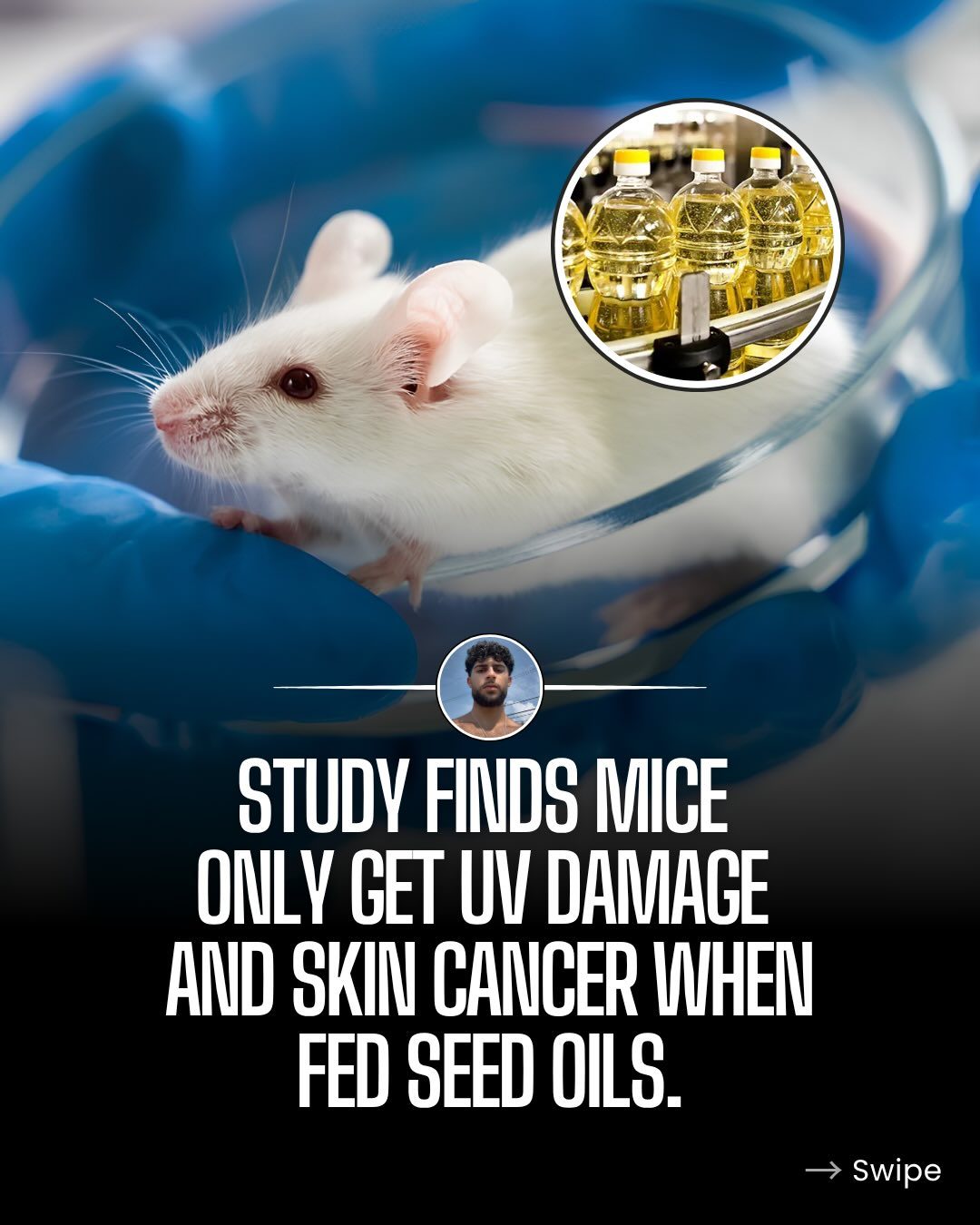
Seed Oils and Skin Cancer
Seed oils, once considered a healthy alternative to animal fats, have sparked intense debate in recent years. The claim that these oils may be linked to skin cancer has gained significant attention, particularly as dietary habits have shifted over the past few decades.
Context / Why this matters
Understanding the relationship between diet and skin health is crucial, especially as research continues to shed light on how our food choices impact our bodies. The historical context of seed oil consumption and its correlation with skin cancer rates provides valuable insights into the potential risks and benefits of different types of fats.
Main discussion
The Rise of Seed Oils
Seed oils, such as canola, sunflower, and soy oil, became popular in the 1970s as a result of enhanced agricultural practices and the growing demand for affordable and versatile cooking oils. The shift from traditional animal fats to seed oils was driven by various factors, including marketing campaigns and diet trends that emphasized low-fat diets.
Animal Studies and Seed Oils
Recent studies have suggested a disturbing link between seed oil consumption and skin cancer. Mice fed diets high in seed oils, particularly those rich in polyunsaturated fats, were found to develop UV-induced skin tumors. On the other hand, mice fed diets high in saturated fats did not show such effects, suggesting that the type of fat consumed may play a critical role in skin health.
The Role of Oxidation and Inflammation
Seed oils are prone to oxidation, a process that can lead to the formation of harmful compounds when exposed to heat, light, and air. These oxidized oils can create inflammation in the body, compromising the skin's natural defenses against UV damage. In contrast, saturated fats, such as those found in animal products, are more stable and less prone to oxidation, potentially offering better protection against skin damage.
Historical Trends in Skin Cancer Rates
The graph illustrating the rise in skin cancer rates aligns closely with the increasing consumption of seed oils. In the 1970s, when seed oils began to replace traditional animal fats in many diets, there was a notable increase in skin cancer cases. This correlation has raised questions about the long-term health effects of seed oil consumption.
Production Processes
The production of seed oils involves multiple steps, including chemical extraction and refinement. Seeds are first harvested and crushed, then heated and extracted with solvents like hexane. The oil is then refined, bleached, and deodorized before being bottled. This process can introduce contaminants and alter the chemical composition of the oil, potentially contributing to its harmful effects.
In contrast, the production of butter is a more natural process. Milk is simply churned to separate the butterfat, resulting in a product that is less processed and more stable.
Practical Tips
Embrace Animal Fats
Animal fats, such as butter, tallow, and lard, have been a staple in traditional diets for centuries. These fats are rich in nutrients and stable, making them a healthier choice for cooking and overall health. It is important to consume the right quantity and quality of animal fats.
Limit Seed Oil Intake
While it may not be feasible to completely eliminate seed oils from the diet, reducing their intake and opting for more natural fats can be beneficial. Focus on using oils that are less processed and less likely to become oxidized, such as olive oil for dressings and coconut oil for cooking.
Protect Your Skin Naturally
In addition to dietary changes, it is essential to protect the skin from UV damage. While sunscreen can be helpful, natural protection methods such as wearing protective clothing, seeking shade, and avoiding peak sun hours can also be effective.
Choose Traditional Cooking Methods
Traditional cooking methods that involve less heating and processing can help preserve the natural properties of fats and oils. Slow cooking, grilling, and sautéing are all healthier alternatives to deep-frying and high-heat cooking.
Important Takeaways
Diet and Skin Health
The link between diet and skin health is complex, and ongoing research is essential to fully understand the impact of different fats on the body. However, the available evidence suggests that opting for more natural and less processed fats can be beneficial for overall skin health.
The Role of Seed Oils
Seed oils have become a staple in modern diets, but their potential risks should not be overlooked. The production processes and the tendency to oxidize make them less suitable for regular consumption, particularly for individuals concerned about skin health.
Embracing Traditional Fats
Traditional animal fats have been a part of human diets for centuries and offer a more stable and nutrient-rich alternative to seed oils. Incorporating these fats into the diet can help improve skin health and overall well-being.
Conclusion
The relationship between seed oils and skin cancer is a complex issue that requires further investigation. However, the available evidence suggests that reducing seed oil intake and opting for more natural fats can be beneficial for skin health. By understanding the potential risks and benefits of different fats, individuals can make informed dietary choices that support overall well-being.
Watch the Reel
Questions readers ask
What are seed oils and why have they become so common in modern diets?
Seed oils are derived from various plant seeds and include oils like canola, sunflower, and soy oil. They gained popularity in modern diets due to their affordability, high smoke point, and perceived health benefits, as they replaced animal fats in the mid-20th century. This shift in cooking oil preferences helped contribute to the rise of seed oils in modern diets.
How are seed oils potentially linked to an increased risk of skin cancer?
Recent studies suggest that the consumption of seed oils may be associated with a higher risk of UV-induced skin tumors. The high levels of omega-6 fatty acids in these oils can promote inflammation, which may exacerbate the damage caused by sun exposure and contribute to the development of skin cancer.
How do seed oils affect the skin when compared to animal fats?
Seed oils can have different effects on the skin compared to animal fats. Animal fats, like butter, contain a more balanced ratio of omega-3 to omega-6 fatty acids, which may help reduce inflammation. In contrast, seed oils are high in omega-6 fatty acids, which can promote inflammation and potentially increase the risk of skin damage, including skin cancer.
Can switching to animal fats from seed oils reduce the risk of skin cancer?
Switching from seed oils to animal fats may help reduce the risk of skin cancer, as animal fats have a better balance of omega-3 and omega-6 fatty acids. This change in dietary fats can help lower inflammation levels, which may mitigate the effects of UV damage. However, it's essential to consider other factors, such as sun exposure and overall diet, when assessing skin cancer risks.
What are some practical steps to reduce the risk of skin cancer related to dietary fats?
To reduce the risk of skin cancer related to dietary fats, consider replacing seed oils with healthier alternatives like olive oil, avocado oil, or animal fats. Additionally, limit sun exposure during peak hours, use sunscreen, and maintain a balanced diet rich in antioxidants to protect the skin from damage. Regular skin checks and consultations with a healthcare provider can also help in early detection and prevention of skin cancer.
Are there specific types of skin cancer linked to seed oil consumption?
Research suggests that seed oil consumption may be linked to an increased risk of UV-induced skin tumors, such as melanoma, basal cell carcinoma, and squamous cell carcinoma. These types of skin cancer are primarily caused by sun exposure, and the inflammatory effects of seed oils may exacerbate the damage caused by UV radiation.
Should I avoid seed oils entirely to protect my skin from cancer risk?
While it's not necessary to avoid seed oils entirely, it's a good idea to limit their consumption and opt for healthier alternatives. Consider using a variety of oils in your diet, such as olive oil, avocado oil, or animal fats, to ensure a balanced intake of fatty acids. This approach can help reduce inflammation and potentially lower the risk of skin cancer related to dietary factors.
Related deep dives
Similar reads based on topic and creator.


Recent articles
Fresh deep dives from the latest Reels we unpacked.




Comments
Be the first to comment.