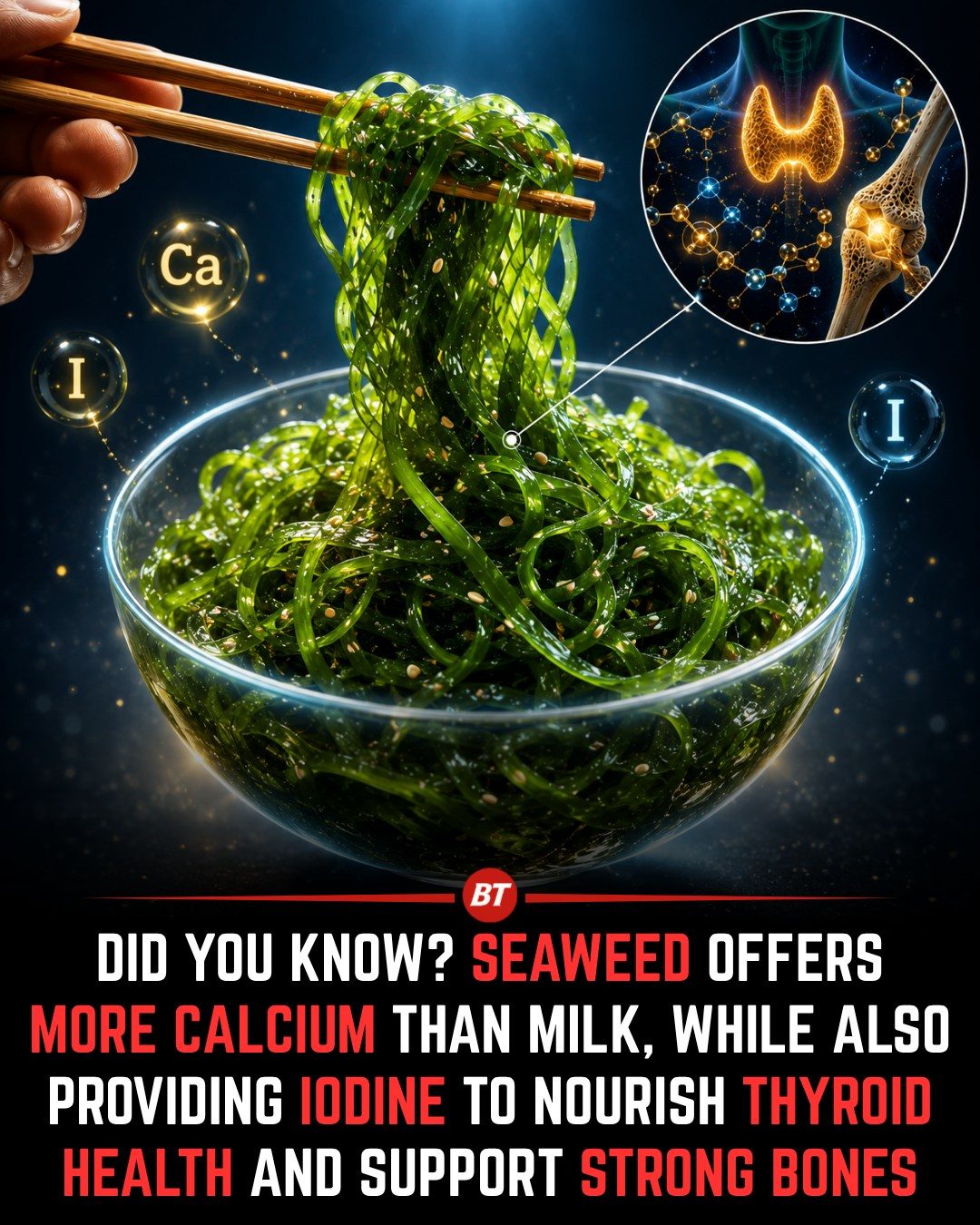
Seaweed: A Nutrient Powerhouse for Bone and Thyroid Health
Seaweed is more than just a coastal curiosity; it's a nutritional powerhouse packed with essential minerals that support bone health and thyroid function. This marine plant is surprisingly rich in calcium and iodine, two nutrients that work synergistically to maintain a well-functioning thyroid and strong bones.
Context / Why This Matters
Incorporating seaweed into your diet can be a convenient way to boost your intake of these vital minerals. Calcium is the cornerstone of bone strength and structure, while iodine is crucial for producing thyroid hormones that regulate metabolism and support bone health. Understanding the benefits of seaweed can help you make informed decisions about your dietary choices.
Main Discussion
The Calcium Advantage
Seaweed is a surprising source of calcium, with some varieties offering more calcium per gram than milk. This makes it an excellent addition to a balanced diet, particularly for those looking to increase their calcium intake without dairy products. Calcium is essential for building and maintaining strong bones. It helps in the formation of bone tissue and prevents bone loss, which can lead to conditions like osteoporosis.
The Iodine Connection
Iodine is another critical nutrient found in seaweed. It plays a vital role in the production of thyroid hormones T3 and T4, which regulate metabolism and influence bone growth and repair. Without sufficient iodine, the thyroid cannot produce adequate hormones, potentially affecting various organs, including the skeleton. Seaweed, especially types like wakame and hijiki, is one of nature's richest sources of iodine, making it a valuable food for supporting thyroid health.
Variety and Balance
While seaweed is a fantastic source of calcium and iodine, it's important to consume it in moderation. Some seaweeds, particularly kelp, can contain very high amounts of iodine, which, if consumed excessively, may disrupt normal thyroid function. Variety and balance remain key in any diet. Incorporating other nutrient-rich foods like dairy, leafy greens, fortified foods, fish, and legumes can provide a well-rounded intake of essential minerals.
Seaweed and Thyroid Health
Research published in the journal of Applied Phycology has shown that several edible seaweeds not only contain impressive amounts of calcium but also provide iodine in varying amounts. These nutrients work together to support thyroid health and maintain a well-functioning metabolism. The thyroid hormones produced with the help of iodine play a crucial role in bone growth, repair, and normal bone remodeling throughout life.
Practical Tips
Incorporating Seaweed into Your Diet
Adding seaweed to your diet can be both delicious and easy. Here are a few practical tips to get you started:
- Nori Wraps: Use nori sheets to make homemade wraps. Fill them with your favorite vegetables, proteins, and sauces for a nutritious and flavorful meal.
- Dried Seaweed Flakes: Sprinkle dried seaweed flakes over rice, salads, or soups to add a burst of umami flavor and a nutrient boost.
- Miso Soup: Enjoy a bowl of miso soup with wakame seaweed. This traditional Japanese dish is not only comforting but also packed with beneficial minerals.
- Seaweed Snacks: Look for seaweed snacks in the grocery store. These crispy, savory snacks are a convenient way to incorporate seaweed into your diet.
Choosing the Right Seaweed
Different types of seaweed offer varying amounts of calcium and iodine. Some of the most nutrient-dense varieties include:
- Wakame: Known for its mild flavor and soft texture, wakame is a popular choice for soups and salads. It is rich in both calcium and iodine.
- Hijiki: This seaweed has a strong flavor and is often used in salads. It is high in calcium and iodine, making it a valuable addition to a balanced diet.
- Kelp: While kelp is a rich source of iodine, it can contain very high amounts, so it should be consumed in moderation.
Important Takeaways
- Seaweed is a rich source of calcium and iodine, both of which are essential for bone health and thyroid function.
- Incorporating seaweed into your diet can be an easy way to boost your intake of these vital minerals.
- Variety and balance are key in any diet. Combine seaweed with other nutrient-rich foods for optimal health.
- Be mindful of iodine intake, as consuming too much can disrupt normal thyroid function.
Conclusion
Seaweed is a versatile and nutrient-dense food that offers numerous health benefits. By incorporating it into your diet, you can support strong bones and a well-functioning thyroid. Whether you enjoy it in wraps, salads, or soups, seaweed is a delicious and nutritious addition to any meal. Try experimenting with different varieties to find the one that best suits your taste and health needs.
Watch the Reel
Questions readers ask
What makes seaweed an excellent source for bone health?
Seaweed is an excellent source of calcium, a mineral essential for maintaining strong bones. It is a rich, plant-based source that works well for those following a dairy-free, vegan or vegetarian diet. The calcium in seaweed is especially beneficial because it is accompanied by other minerals and vitamins that enhance its absorption.
How does seaweed support thyroid function?
Seaweed is high in iodine, a mineral crucial for thyroid function. Iodine is necessary for the production of thyroid hormones, which regulate metabolism. Additionally, the thyroid hormones aid in maintaining and supporting bone health, making seaweed a valuable addition to your diet.
What are the best types of seaweed for health?
Some of the best types of seaweed for health include kelp, nori, wakame, and dulse. These varieties are rich in minerals such as calcium and iodine, as well as other beneficial nutrients like magnesium and iron. Incorporating these seaweeds into your meals can help boost your mineral intake and support overall health.
Is seaweed a natural source of iodine?
Yes, seaweed is an excellent natural source of iodine. It is particularly rich in this mineral, which is essential for thyroid function. Including seaweed in your diet can help ensure you are getting an adequate amount of iodine, especially for those who may not consume enough iodine-rich foods.
What role does iodine play in metabolism?
Iodine is a key mineral in the production of thyroid hormones, which play a pivotal role in regulating metabolism. These hormones help control how quickly your body burns calories and uses energy. By supporting thyroid function, iodine indirectly contributes to maintaining a healthy metabolism.
How can I incorporate more seaweed into my diet?
There are many ways to incorporate seaweed into your diet. You can add nori sheets to salads, wraps or sushi, sprinkle dulse flakes on soups or popcorn, or use kelp in stews and broths. Seaweed snacks are also a convenient option for a quick, nutrient-dense bite on the go.
Can seaweed help with maintaining strong bones?
Yes, seaweed can help maintain strong bones due to its rich calcium content. Calcium is a primary component of bone structure, and adequate intake is essential for preventing bone loss and maintaining bone density. By including seaweed in your diet, you can support your bone health naturally.
Related deep dives
Similar reads based on topic and creator.




Recent articles
Fresh deep dives from the latest Reels we unpacked.




Comments
Be the first to comment.