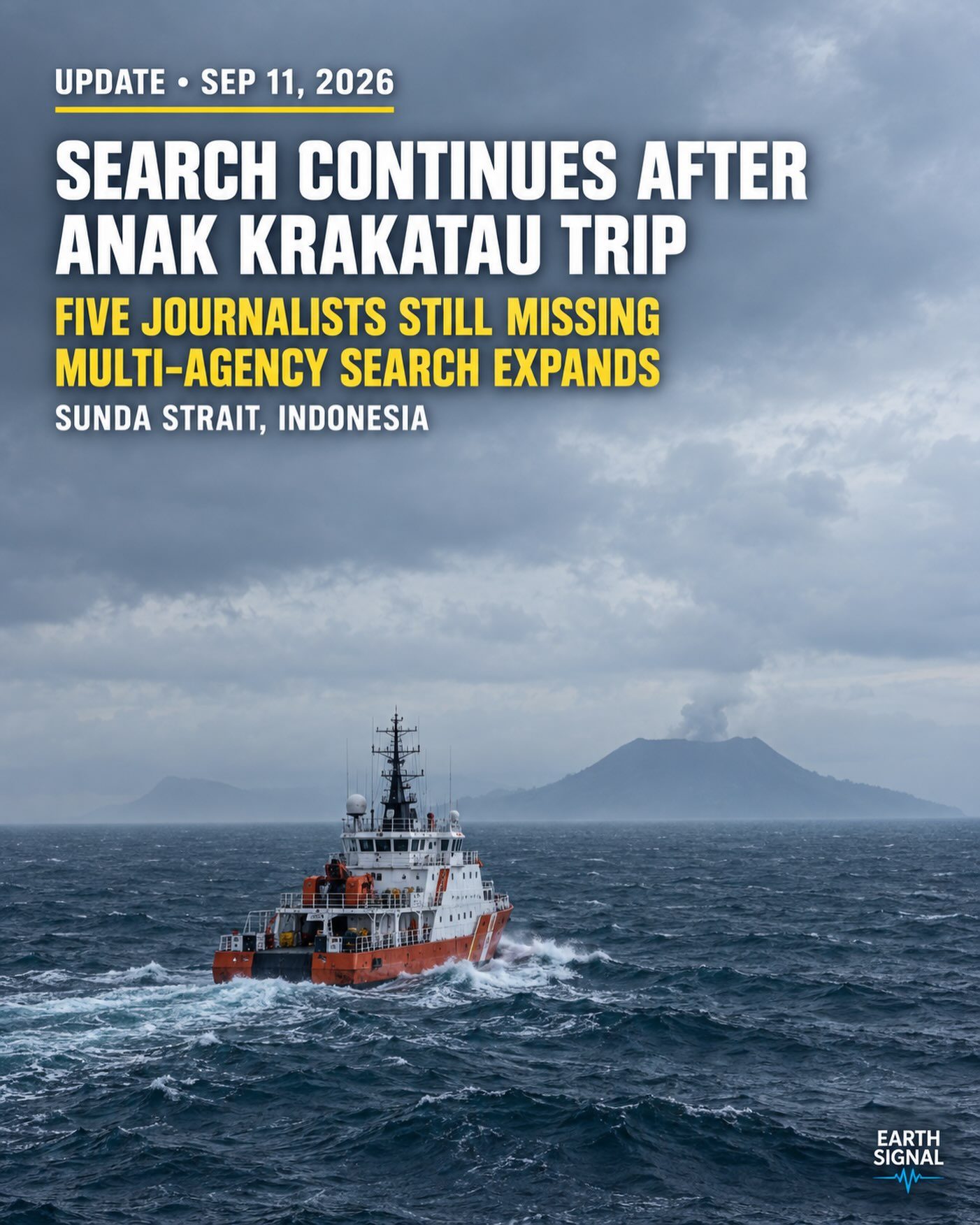
The Search for Surviving Journalists Continues
In the wake of a disaster near Anak Krakatau, a vast search and rescue operation is underway in the treacherous waters of the Sunda Strait, Indonesia. The mission is focused on the five journalists who remain missing following the incident. The strait is a challenging environment; its weather patterns and water conditions make the search excruciatingly difficult even in good times. A multi-agency effort, according to the on-screen text, is currently underway to locate the missing individuals. The frontier of search and rescue missions of this magnitude always requires that multiple organizations come together, pooling their resources and expertise. The participating agencies appear confident in their ability to rescue survivors. Speculation about their specific strategies or the reasons that so far haven't delivered a breakthrough are largely speculative, as are ego of any particular player in the rescue effort.
The Unpredictable Nature of Anak Krakatau
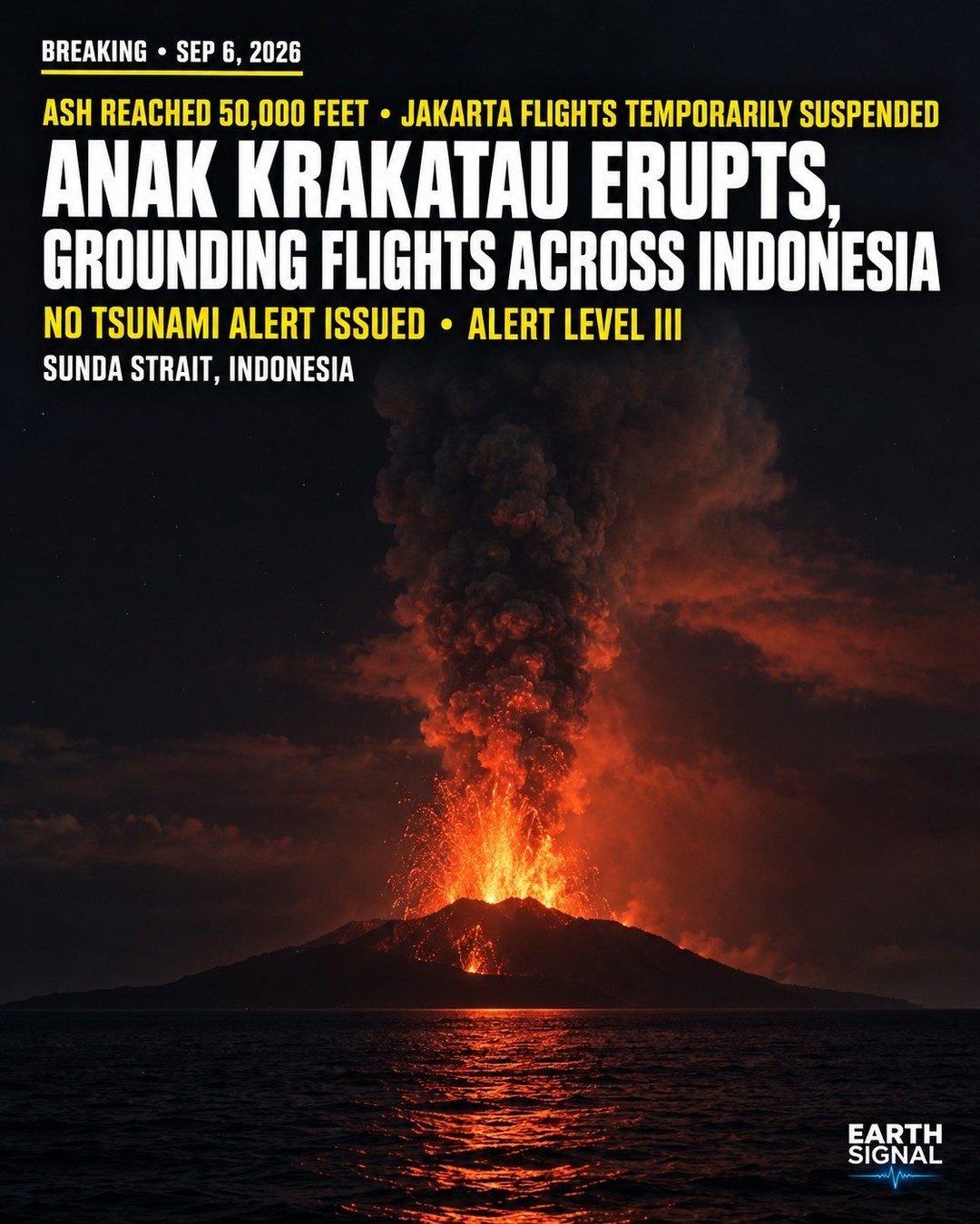
The circumstances surrounding the incident bear the hallmarks of Anak Krakatau's volatile nature. Volcanic eruptions often trigger tsunamis and other secondary hazards. With Anak Krakatau, however, the unpredictable behavior is amplified by its unique geological makeup and the complex underwater topography of the Sunda Strait. Here harm to the journalists could have come from a series of difficult-to-predict hazards, all closely related to the volcano's last eruption. The Indonesian government's robust geological hazard response system, which aims to mitigate the risk of such events, appears to be in effect. The diverse nature of the threat makes the rescue operation more challenging: rescuers must navigate not just the physical landscape but also the unpredictable behavior of the volcano itself. The ongoing search efforts reflect this complexity, as rescuers must adapt to changing conditions and potential new hazards. The waters of the Sunda Strait themselves are notoriously dangerous. The combination of strong currents, frequent storms, and the unpredictable behavior of the volcano creates a treacherous environment for search and rescue operations.
The Role of Earth Signal
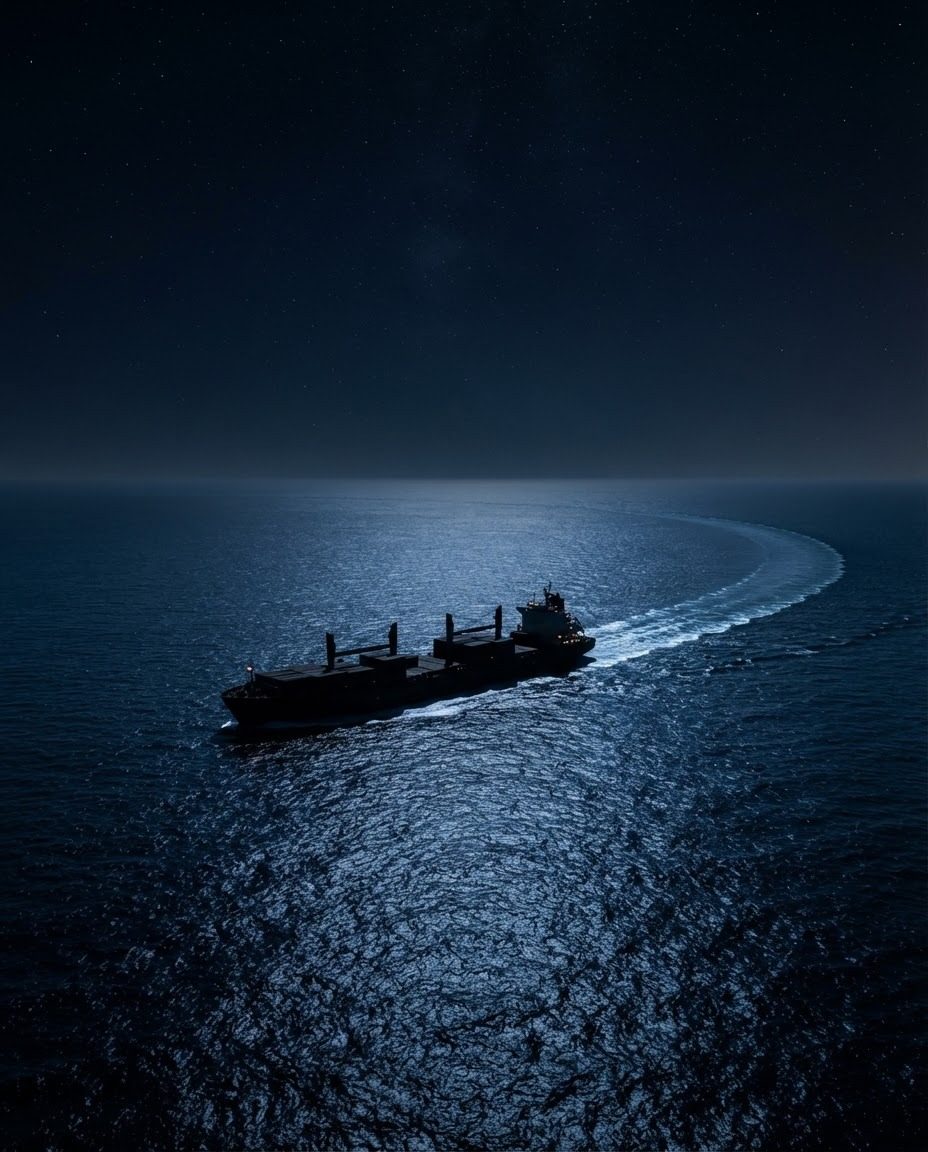
Earth Signal's role in this ongoing crisis highlights the importance of technology in search and rescue operations. The rescue vessel, clearly identified as part of the Earth Signal fleet, appears well-equipped to handle the challenging conditions of the Sunda Strait. The vessel's ability to navigate through choppy waters and spray water as it moves suggests advanced capabilities designed to aid in search and rescue missions. The presence of a brand like Earth Signal in this context underscores the increasing reliance on specialized technology and equipment in modern rescue operations. We can only speculate as to the extent to which their technology is helping in the search, but the use of such technology on the rescue ship suggests a high degree of commitment from Earth Signal. Technological advancements are likewise making the process of search and rescue more efficient, but the human element remains crucial. The expertise of the teams involved in the search, combined with the advanced capabilities of vessels like those operated by Earth Signal, offers a glimmer of hope for the safe recovery of the missing journalists. The ongoing efforts by these dedicated teams serve as a testament to the resilience and determination of those involved in search and rescue operations.
Watch the Reel
Related deep dives
Similar reads based on topic and creator.

Recent articles
Fresh deep dives from the latest Reels we unpacked.


Comments
Be the first to comment.