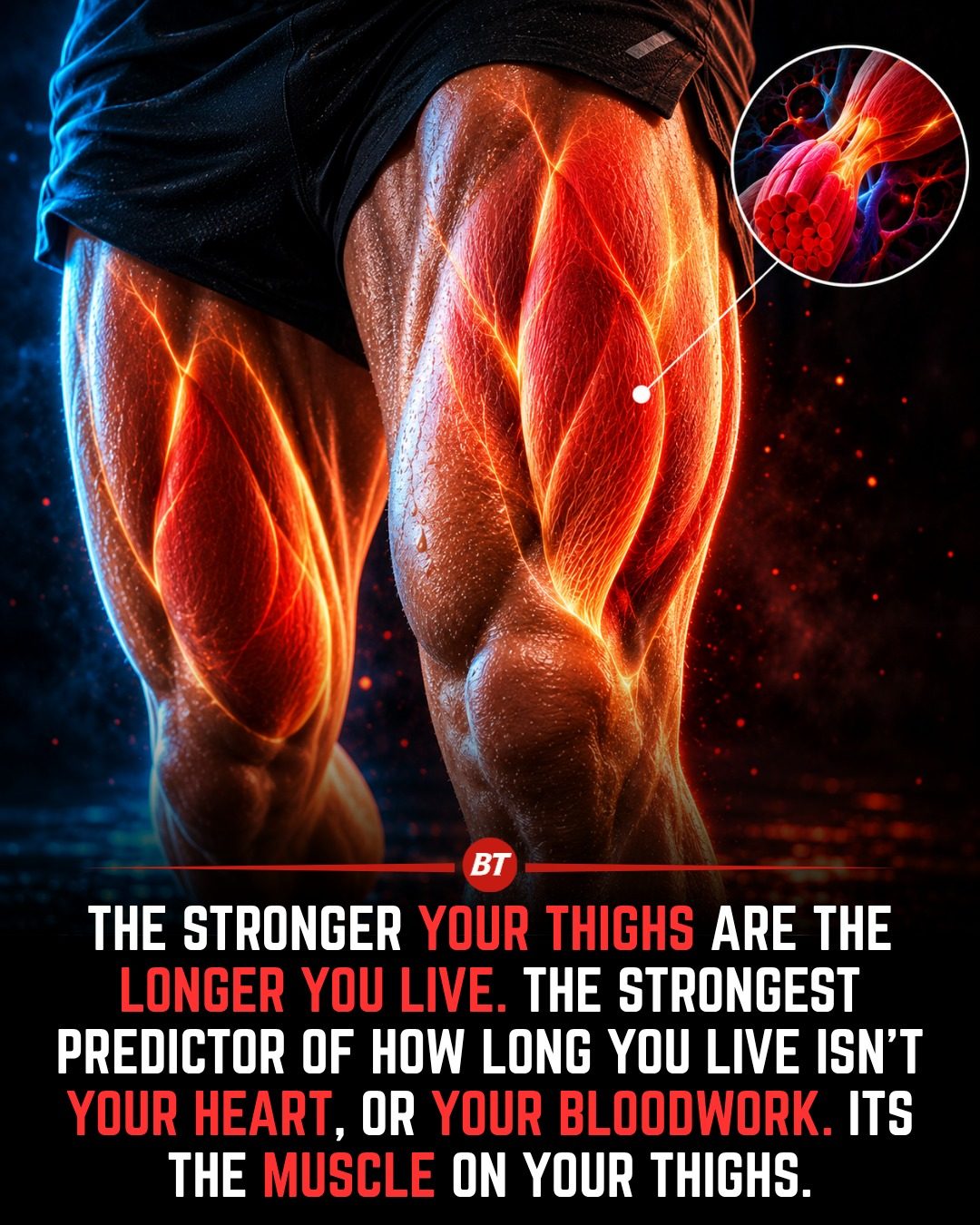
Leg Strength and Longevity
Leg strength, particularly the power of the quadriceps, is a critical factor in overall health and longevity. Recent research has shown that strong thigh muscles are not only vital for mobility and daily activities but also serve as a strong predictor of healthy aging and a longer life.
Context / Why this matters
As we age, maintaining muscle strength becomes increasingly important. Our quadriceps, the largest muscle group in the body, are essential for walking, climbing stairs, standing up, maintaining balance, and preventing falls. The natural decline in muscle mass and strength that occurs with aging, known as sarcopenia, can lead to frailty, disability, hospitalization, and even premature death.
A 2023 review published in the Journal of Cachexia, Sarcopenia and Muscle highlighted the significance of leg muscle strength. The study found that lower leg muscle strength is strongly associated with reduced mobility, poorer cardiovascular health, and increased all-cause mortality. This underscores the importance of maintaining strong thighs for overall health and longevity.
Main discussion
The Role of Quadriceps in Healthy Aging
The quadriceps play a crucial role in various daily activities. Walking, climbing stairs, and standing up all require significant quadriceps strength. As we age, maintaining this strength becomes even more important. Strong quadriceps help in:
- Maintaining Balance: Strong thighs help maintain balance, reducing the risk of falls and injuries.
- Preventing Falls: Quad strength is vital for stability, especially in older adults, helping to prevent falls that can lead to serious injuries.
- Preserving Independence: Strong thighs contribute to overall mobility, allowing older adults to maintain their independence and perform daily activities.
The Science Behind Leg Strength and Longevity
Studies have shown that quadriceps strength is often a better predictor of how well older adults will maintain their independence. This is because thigh strength reflects the health of the muscular, nervous, and cardiovascular systems working together. Strong thighs are linked to:
- Reduced Frailty: Stronger thighs help reduce the risk of frailty, a condition characterized by weakness, fatigue, and an increased risk of falls.
- Better Cardiovascular Health: Leg muscle strength is associated with improved cardiovascular health, which is essential for overall longevity.
- Lower Risk of Hospitalization: Maintaining strong thighs can reduce the risk of hospitalization due to falls and other mobility-related issues.
The Importance of Resistance Training
Resistance training is key to maintaining and improving thigh strength. This type of training involves exercises that use resistance, such as weights or resistance bands, to build muscle. Some effective exercises include:
- Squats: A fundamental exercise that targets the quadriceps and other leg muscles.
- Step-Ups: Involves stepping up onto a bench or platform, which works the thighs and improves balance.
- Lunges: A unilateral exercise that targets the quadriceps, hamstrings, and glutes.
- Leg Presses: A machine-based exercise that allows for controlled resistance and targets the quadriceps.
- Sit-to-Stands: Standing up from a seated position, which is a functional exercise that mimics daily activities.
Practical tips
Incorporating Leg Workouts into Your Routine
Here are some practical tips to incorporate leg workouts into your routine:
- Start Slow: Begin with a few sets of each exercise, gradually increasing the intensity and volume as you get stronger.
- Focus on Form: Proper form is crucial to avoid injury and ensure that you are targeting the correct muscles.
- Consistency is Key: Aim for 2–3 lower-body strength sessions each week. Consistency is more important than the intensity of each session.
- Pair with a Protein-Rich Diet: Combine regular resistance training with a protein-rich diet to help preserve muscle mass and support muscle growth.
Nutrition for Muscle Health
A balanced diet is essential for maintaining and building muscle mass. Here are some tips:
- Protein Intake: Ensure you are getting enough protein in your diet. Good sources include lean meats, fish, eggs, dairy, and plant-based proteins like beans and lentils.
- Regular Walking: Regular walking, along with resistance training, can help preserve muscle mass and keep your legs strong.
Important takeaways
Understanding the importance of leg strength for longevity has significant implications for our daily lives. Maintaining strong thighs is not just about looking good but about ensuring a healthy and independent future. By engaging in regular resistance training and maintaining a balanced diet, you can significantly improve your leg strength and overall health.
Conclusion
The strength of your thigh muscles is a powerful predictor of healthy aging, independence, and a longer life. Strong quadriceps play a vital role in mobility, balance, and preventing falls. Regular resistance training and a balanced diet can help maintain and improve thigh strength, leading to a better quality of life. Incorporate exercises like squats, lunges, and leg presses into your routine to build strong legs and enjoy the benefits of improved health and longevity.
Watch the Reel
Questions readers ask
How do strong thighs contribute to healthy aging?
Strong thigh muscles, especially the quadriceps, play a crucial role in daily activities such as walking, climbing stairs, and standing up. They also enhance balance and reduce the risk of falls, which is particularly important for maintaining independence and quality of life as we age.
Can thigh muscle strength really predict longevity?
Yes, recent studies have indicated that strong leg muscles, particularly the quadriceps, can serve as a strong predictor of a longer, healthier life. This is due to their essential role in mobility, balance, and overall physical function.
What is sarcopenia and how does it affect thigh muscles?
Sarcopenia is the natural decline in muscle mass and strength that occurs with aging. It particularly affects the thigh muscles, including the quadriceps, leading to frailty, disability, and an increased risk of falls and hospitalization.
What are some effective exercises to strengthen thigh muscles for seniors?
For seniors, exercises like seated leg extensions, wall sits, and calf raises can help strengthen the thigh muscles. These exercises can be done safely and effectively at home or under the guidance of a physical therapist.
How does maintaining strong thigh muscles help prevent falls?
Strong thigh muscles provide better support and stability, improving balance and coordination. This reduced risk of falls is crucial for preventing injuries and maintaining independence in daily life.
What is the importance of quadriceps strength in mobility?
The quadriceps are the largest muscle group in the body and are vital for mobility. They enable activities like walking, climbing stairs, and standing up, which are essential for maintaining independence and a high quality of life.
How does leg strength influence life expectancy?
Research has shown that strong leg muscles, particularly the quadriceps, are associated with a longer life expectancy. This is because leg strength is closely linked to overall physical function, mobility, and reduced risk of falls and hospitalization.
Related deep dives
Similar reads based on topic and creator.




Recent articles
Fresh deep dives from the latest Reels we unpacked.




Comments
Be the first to comment.