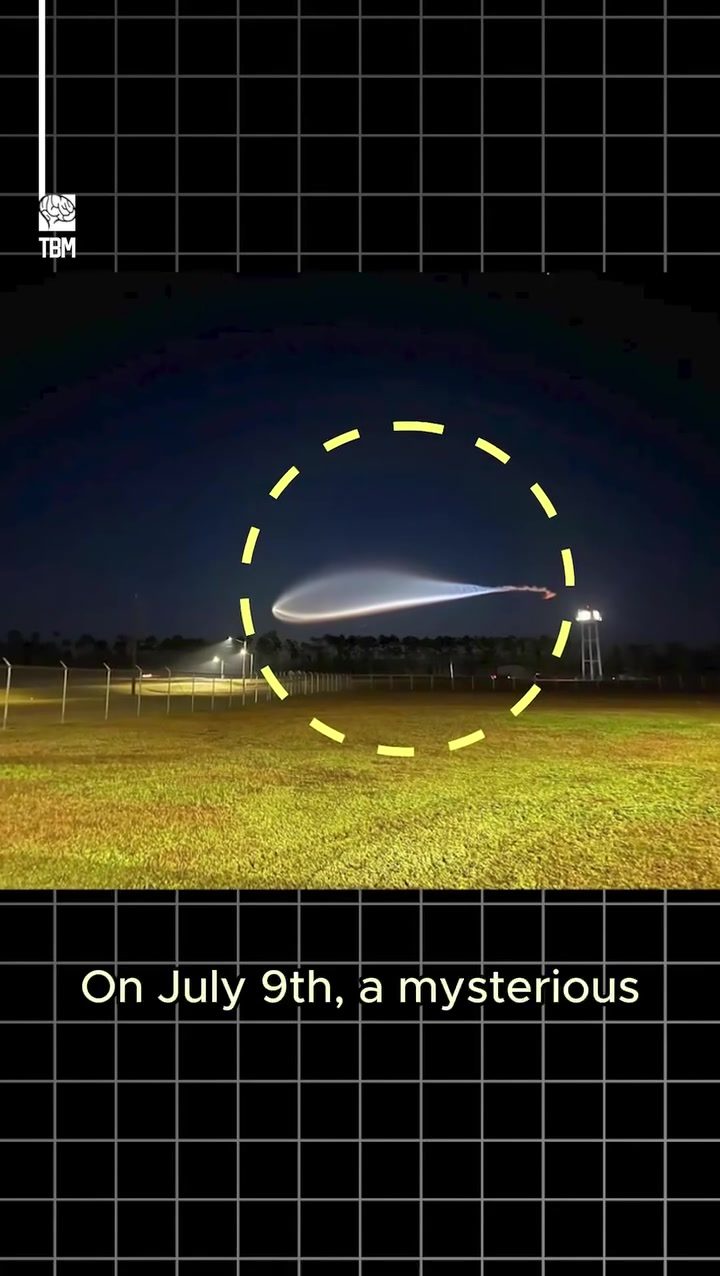
The Mysterious Glow of the SpaceX Jellyfish
In July 2024, a mysterious glowing phenomenon adorned the sky, catching the attention of many. This strange sight, affectionately dubbed the "SpaceX jellyfish," is a visual spectacle created during the launch of a Falcon 9 rocket around sunrise or sunset. The resulting glow is more than just a pretty sight; it’s a fascinating display of physics and atmospheric conditions in action.
Why This Matters
Rocket launches, especially those by SpaceX, often captivate audiences with their sheer scale and technological prowess. The SpaceX jellyfish adds an extra layer of intrigue, transforming a routine launch into a breathtaking light show. Understanding this phenomenon not only enriches our appreciation of rocket launches but also provides insights into atmospheric interactions and optical phenomena.
The Anatomy of the SpaceX Jellyfish
Formation and Timing
The SpaceX jellyfish forms when a Falcon 9 rocket launches shortly before sunrise or just after sunset. During these times, the ground is still dark, but the rocket ascends high enough to enter direct sunlight. This creates a striking contrast between the darkened Earth and the illuminated rocket.
The Role of Exhaust Gases
As the rocket climbs higher, it encounters thinner air. The exhaust gases, which are typically composed of water vapor, carbon dioxide, and tiny ice particles, rapidly spread into a massive, translucent cloud. These gases and particles scatter sunlight in various directions, producing a stunning array of colors: brilliant shades of white, blue, orange, and pink.
The Jellyfish Visual
The central glowing plume resembles the body of a jellyfish, while long streams of exhaust appear like drifting tentacles. This effect is enhanced by high-altitude winds, which twist the plume into waves, spirals, and curved patterns. The added elements of stage separation and engine burns can create smaller glowing clouds nearby, adding to the overall spectacle.
Practical Tips for Viewing
Best Times and Locations
For optimal viewing, look for Falcon 9 launches scheduled around sunrise or sunset. These times provide the best conditions for witnessing the SpaceX jellyfish. Check SpaceX’s launch schedule and choose a location with a clear view of the sky, away from light pollution.
Useful Tools
To enhance your viewing experience, consider using binoculars or a small telescope. These tools can help you see the finer details of the plume and the color variations. Additionally, apps that track rocket launches can provide real-time updates and notifications, ensuring you never miss a launch.
Important Takeaways
The SpaceX jellyfish is not just a visual spectacle; it’s a testament to the complex interactions of sunlight, altitude, and atmospheric conditions. Understanding this phenomenon involves grasping the basics of atmospheric optics and the behavior of gases in different conditions.
Atmospheric Conditions
High-altitude winds play a crucial role in shaping the plume. By interacting with the gases, these winds create the distinct patterns and colors that make the SpaceX jellyfish so captivating.
Sunlight and Altitude
The interplay between sunlight and altitude is central to the formation of the jellyfish. As the rocket reaches direct sunlight, the gases and particles scatter the light, producing the vibrant colors. The higher the altitude, the more pronounced this effect becomes.
Stage Separation and Engine Burns
Additional factors like stage separation and engine burns contribute to the overall spectacle. These events can create smaller glowing clouds, adding complexity and beauty to the visual display.
Conclusion
The SpaceX jellyfish is a mesmerizing sight that blends scientific principles with natural beauty. Whether you’re a space enthusiast or simply captivated by unusual sky phenomena, witnessing this spectacle is an experience not to be missed. By understanding the science behind it, we can appreciate the magic of rocket launches even more.
Watch the Reel
Questions readers ask
What causes the glowing effect seen during some SpaceX rocket launches, known as the 'SpaceX jellyfish'?
The 'SpaceX jellyfish' effect is primarily caused by sunlight scattering off the exhaust gases from the rocket's engines. This scattering is most visible during launches near sunrise or sunset, when the sun's angle creates optimal conditions for the light to be reflected and scattered, resulting in a dazzling display.
Why is the SpaceX jellyfish phenomenon more visible during launches around sunrise or sunset?
During sunrise or sunset, the sun is at a low angle, which causes the sunlight to scatter more effectively off the rocket's exhaust plume. This scattering creates a brighter and more visible glow, making the SpaceX jellyfish phenomenon particularly striking during these times.
What role do atmospheric conditions play in the formation of the SpaceX jellyfish glow?
Atmospheric conditions significantly influence the appearance of the SpaceX jellyfish. Factors such as humidity, temperature, and the presence of ice crystals can affect how the exhaust gases scatter sunlight, contributing to the unique and vibrant glow seen during these launches.
Does the type of rocket used by SpaceX affect the jellyfish glow?
Yes, the type of rocket can influence the jellyfish glow. The Falcon 9, for example, produces a specific set of exhaust gases and has a unique engine configuration that contributes to the distinct appearance of the jellyfish glow. Different rockets may produce varying visual effects due to differences in exhaust composition and engine design.
Can the SpaceX jellyfish glow be predicted in advance?
While the exact appearance of the SpaceX jellyfish glow can be difficult to predict, it is more likely to occur during launches scheduled near sunrise or sunset. Meteorologists and scientists can use atmospheric data and launch details to estimate the conditions that might favor the phenomenon.
What happens to the exhaust gases after the rocket launch?
After the rocket launch, the exhaust gases dissipate into the atmosphere. The glowing effect is temporary, lasting only as long as the gases remain in the upper atmosphere. These gases can form ice crystals and other particles that scatter sunlight, creating the jellyfish glow before eventually dispersing.
Are there any safety concerns related to the SpaceX jellyfish phenomenon?
The SpaceX jellyfish phenomenon is purely a visual effect and does not pose any safety concerns. The exhaust gases and the resulting glow are part of the natural process of rocket launches and do not harm the environment or human health. Viewers can enjoy the spectacle without worry.
Recent articles
Fresh deep dives from the latest Reels we unpacked.




Comments
Be the first to comment.