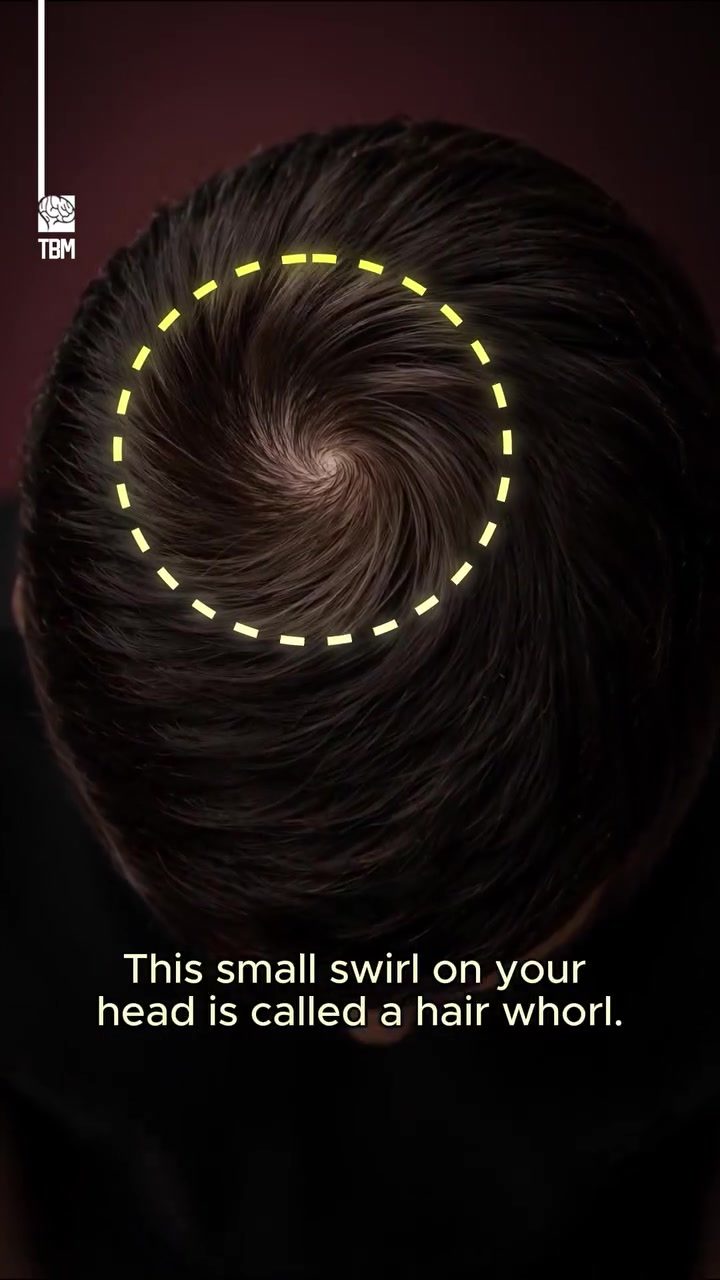
Hair Whorls: The Intriguing Spiral Pattern on Your Scalp
Hair whorls, those small swirls of hair on your scalp, are a fascinating phenomenon that form during early development. They can spiral clockwise, counterclockwise, or even form two distinct whorls, offering a glimpse into how your scalp took shape before birth. Understanding hair whorls involves delving into the intricacies of scalp growth and hair follicle development.
Why This Matters
Hair whorls are more than just a quirk of human anatomy. They serve as a lasting record of how your scalp formed during the earliest stages of human development. By examining these spiral patterns, we can gain insights into the mechanisms that govern skin and hair follicle organization. Additionally, hair whorls can offer clues about the direction in which your hair follicles grow, influencing everything from your hairstyle choices to how your scalp reacts to certain treatments.
The Formation of Hair Whorls
The Role of Scalp Growth
As the scalp grows during fetal development, hair follicles settle into their permanent angles. This process is driven by the tension and shape of the expanding head, which causes thousands of follicles to align in a specific pattern. The resulting spiral is a natural outcome of this organizational process. Whether your whorl is centered or slightly off to the side, it provides a visual record of how your scalp developed before you were born.
Permanent Angles and Lifetime Growth
Once the follicles point in a certain direction, they continue to produce hair in that trajectory for the rest of your life. This is why your hair whorl remains consistent throughout your lifetime. The direction in which your hair grows is determined during this early developmental stage and does not change over time.
Variability in Whorl Patterns
Hair whorls exhibit a surprising degree of variability. Some people have a centered whorl, while others have one slightly off to the side. This variability is a result of the unique tension and shape of each individual's scalp during development. The pattern of your hair whorl can even influence how your hair lies naturally, affecting everything from styling choices to hair loss patterns.
The Biological Basis of Hair Whorls
Skin Stretching and Follicle Alignment
Hair whorls do not have a clear survival purpose, but they are believed to be a natural result of how skin stretches and organizes during early development. As the head expands, the skin stretches, and hair follicles align with this tension and shape. This alignment creates a visible spiral pattern that remains consistent throughout life.
Developmental Stages
The process begins in the early stages of human development. As the head grows, the scalp stretches, and hair follicles settle into their permanent angles. This organizational process is driven by the tension and shape of the scalp, resulting in the visible spiral pattern we recognize as a hair whorl.
Practical Tips for Understanding Your Hair Whorls
Identifying Your Whorl Pattern
Identifying your hair whorl pattern is a straightforward process. Simply part your hair and observe the direction in which it spirals. It can provide insights into your follicle alignment and the natural growth pattern of your hair.
Hairstyling Tips
Knowing the direction and location of your hair whorl can help you make informed decisions about hairstyling. For example, if your whorl is located at the crown and spirals clockwise, you might find that certain styles, like a side part, work better with the natural direction of your hair growth.
Hair Loss and Treatment
Understanding your hair whorl pattern can also be beneficial if you're experiencing hair loss. Certain treatments may be more effective when tailored to the natural growth pattern of your hair. Consulting with a dermatologist or hair specialist can provide personalized advice based on your whorl pattern.
Important Takeaways
- Hair whorls form during early development as the scalp grows and hair follicles settle into their permanent angles.
- The pattern of your hair whorl—whether it spirals clockwise, counterclockwise, or forms two whorls—is a lasting record of how your scalp formed before birth.
- Understanding your hair whorl pattern can offer insights into your natural hair growth direction, aiding in styling choices and hair loss treatments.
- The variability in hair whorl patterns is a result of the unique tension and shape of each individual's scalp during development.
Conclusion
Hair whorls are a fascinating and enduring feature of human anatomy. They offer a unique window into the early stages of scalp development and provide valuable insights into hair growth patterns. By understanding the formation and significance of hair whorls, you can make more informed decisions about your hair care and styling choices. Whether you have a centered whorl or one slightly off to the side, recognizing and embracing this natural pattern can enhance your understanding of your own body and its developmental journey.
Watch the Reel
Questions readers ask
What are hair whorls and how do they form?
Hair whorls are the spiral patterns of hair on the scalp. They form during early human development, influenced by the tension and shape of the growing head. Each person's whorl pattern is unique, determined by the specific growth patterns of their scalp and hair follicles.
What are the different types of hair whorls?
Hair whorls can spiral in various directions. The most common types are clockwise, counterclockwise, and double whorls. Each type provides a different perspective into the intricate development of the scalp and hair follicles.
Do hair whorls have any impact on scalp health?
Hair whorls themselves do not directly affect scalp health. However, understanding your whorl pattern can help you make informed choices about hairstyling, which can indirectly promote better scalp health by reducing irritation and tension.
Are hair whorls present at birth?
Yes, hair whorls are present at birth and are one of the earliest visible signs of scalp development. They are a lasting record of how the scalp took shape during fetal development.
Can hair whorls change over time?
Hair whorls are generally stable and do not change significantly over time. However, factors such as aging, hair loss, or certain medical conditions can sometimes alter their appearance or make them less noticeable.
What do hair whorls indicate about a person's development?
Hair whorls offer insights into the mechanics of scalp and hair follicle organization. By analyzing these patterns, we can better understand the complex processes that govern the development of the scalp and hair during early human growth.
Why do some people have multiple hair whorls?
Some individuals may have multiple hair whorls due to variations in scalp tension and growth patterns during development. Double whorls, for example, can form when there are two distinct areas of scalp tension, leading to two separate spiral patterns.
Related deep dives
Similar reads based on topic and creator.

Recent articles
Fresh deep dives from the latest Reels we unpacked.




Comments
Be the first to comment.