Freezing Food for Health Benefits
The humble freezer is your secret weapon for boosting the nutritional content of your meals. By harnessing the power of cold temperatures, you can unlock hidden health benefits in common foods. Here's a look into the science behind freezing and thawing everyday foods like blueberries, bananas, and bread. These simple techniques can transform your diet into a nutritional powerhouse.
Why This Matters
Beyond mere convenience, the freezer can enhance the health benefits of the food you eat. Understanding how the freezing process affects food composition is key to maximizing these benefits. Let's dive into the science behind this kitchen biohack.
The Science Behind Freezing and Thawing
Blueberries: The Antioxidant Powerhouse
Blueberries are already known for their high antioxidant content, but freezing and thawing them can significantly boost these benefits. Here’s why:
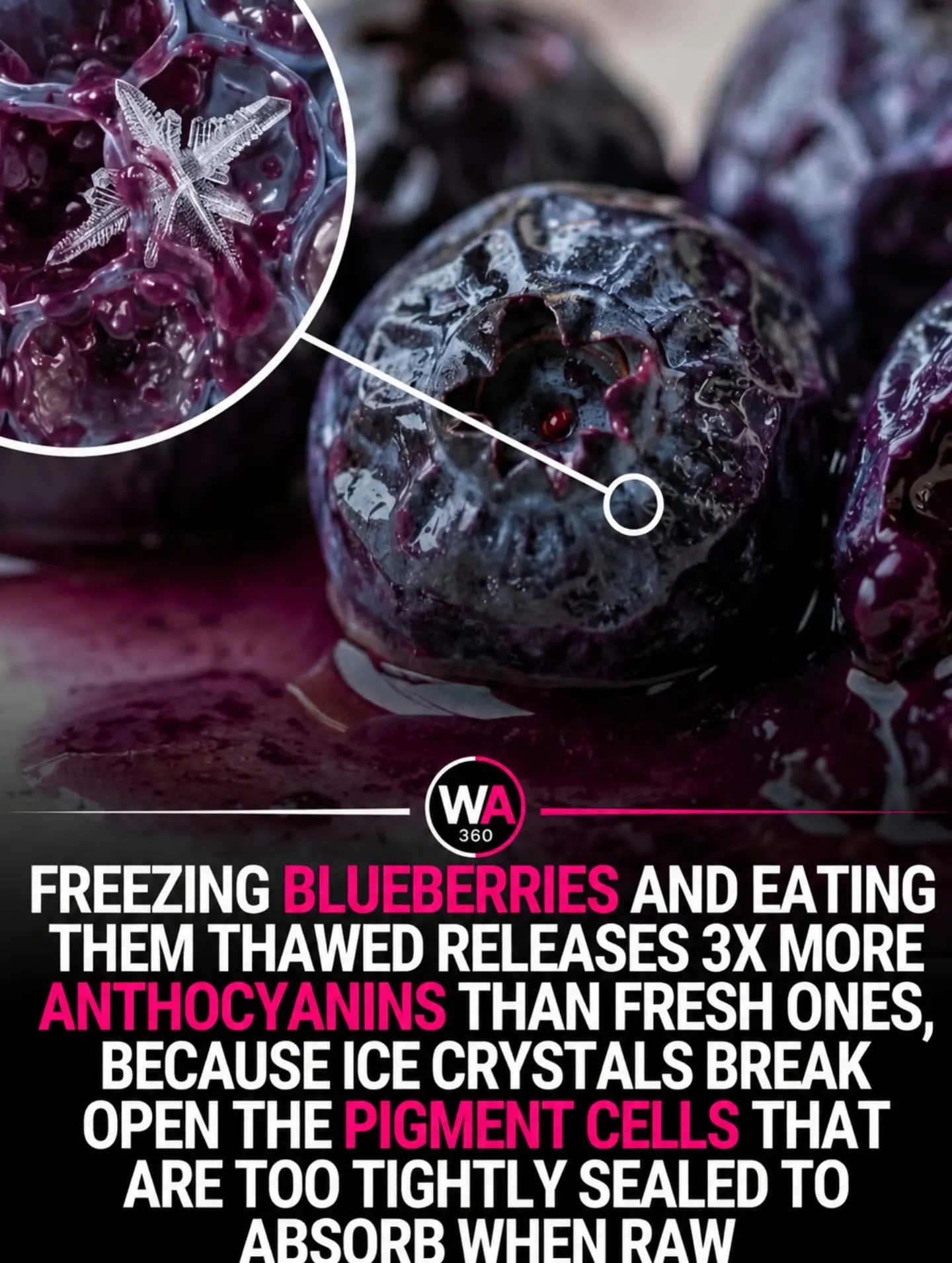
- Ice Crystal Formation: As blueberries freeze, ice crystals form within the fruit. These crystals create micro-fractures in the tightly sealed plant cell walls, effectively breaking them open.
- Anthocyanin Release: Anthocyanins, the powerful antioxidants responsible for the blue color of blueberries, are now more accessible. This allows your body to absorb up to 3X more anthocyanins when you eat thawed blueberries compared to fresh ones. The improved absorption means you get more out of every bite.
Bananas: Ultimate Gut Fuel
Bananas are a staple in many diets, but freezing and slightly thawing them before consumption can enhance their health benefits. The key lies in the breakdown of their cell structure:
- Cell Wall Breakdown: Freezing and then slightly thawing bananas causes the cell walls to break down. This physical process releases specific compounds that are crucial for gut health.
- Prebiotic Fiber: These released compounds act as premium fuel for your gut bacteria, effectively doubling the prebiotic fiber content of the banana. This makes the banana a more effective tool for supporting a healthy microbiome.
Bread: The Blood Sugar Hack
Bread lovers often face the challenge of managing blood sugar spikes post-meal. Freezing and thawing bread can help mitigate this issue:
- Resistant Starch: The freezing and thawing process converts some of the starch in bread into resistant starch. This type of starch is digested more slowly, leading to a lower glycemic index.
- Blood Sugar Regulation: When you eat bread that has been frozen and thawed, your blood sugar spikes 39% less compared to eating a freshly baked slice. This makes it a better option for maintaining stable blood sugar levels and supporting metabolic health.
Practical Tips
Maximizing Nutritional Benefits
To get the most out of these biohacks, follow these simple steps:
- Freezing Blueberries: Rinse and pat dry blueberries, then place them in an airtight container before freezing. Once frozen, let them thaw naturally in the fridge before consuming.
- Freezing Bananas: Peel and freeze bananas in an airtight container. When ready to eat, let them thaw slightly to release their prebiotic compounds. Alternatively, you can blend them into smoothies in a frozen state.
- Freezing Bread: Slice bread before freezing, and store slices in an airtight container. When ready to eat, thaw the slices at room temperature, then toast or heat as needed.
Storage and Usage
- Air-Tight Containers: Always use airtight containers to prevent freezer burn and maintain freshness.
- Portion Control: Freeze in individual portions for convenience, especially with fruits like blueberries and bananas.
- Long-Term Storage: Label and date your frozen foods to ensure you use the oldest items first and avoid any potential waste.
Important Takeaways
Enhance Nutritional Value
Freezing and thawing foods like blueberries, bananas, and bread can significantly enhance their nutritional value. By unlocking hidden health benefits, you can boost your intake of antioxidants, prebiotic fiber, and resistant starch.
Support Gut and Metabolic Health
The process of freezing and thawing can transform everyday foods into powerful allies for gut health and blood sugar regulation. Incorporating these techniques into your routine can support a healthier, more balanced diet.
Simple and Effective
These methods are easy to implement and require minimal effort. By making a few adjustments to your food preparation, you can reap substantial health benefits without changing your diet drastically.
Conclusion
The freezer is more than just a tool for preservation; it's a biohacking tool that can enhance the nutritional content of your meals. By understanding and leveraging the science behind freezing and thawing, you can make your diet more nutritious and supportive of your overall health. From boosting antioxidant intake to improving gut health and managing blood sugar levels, these simple techniques can transform your diet and well-being.
Watch the Reel
Questions readers ask
How does freezing affect the antioxidant content in blueberries?
Freezing blueberries can actually enhance their antioxidant content. The process of freezing and thawing causes the cell walls in the blueberries to burst, making the antioxidants more accessible to your body. This means that frozen blueberries can provide even more health benefits than fresh ones.
What are the benefits of freezing bananas for health?
Freezing bananas can unlock their prebiotic fiber content. As bananas freeze and thaw, their cell structure changes, making the resistant starch more accessible. This prebiotic fiber supports a healthy gut microbiome. Additionally, frozen bananas are a great addition to smoothies and other recipes for added fiber.
Does freezing alter the nutritional content of other foods?
Yes, freezing can affect the nutritional content of various foods, not just fruits. For instance, freezing bread can enhance its digestibility. The process of freezing and thawing can break down some of the carbohydrates in bread, making it easier for your body to digest and absorb the nutrients.
Why should I thaw frozen food for health benefits?
Thawing frozen food properly is important to fully unlock the hidden health benefits. As food thaws, the cell structure and nutrients become more accessible to your body. For example, thawed blueberries release more antioxidants. To maximize these benefits, thaw foods in the refrigerator or microwave, and avoid thawing at room temperature, which can lead to bacterial growth.
What is the best way to freeze and thaw blueberries?
To freeze and thaw blueberries for optimal health benefits, first wash and dry them. Then, freeze them in a single layer on a baking sheet. Once frozen, transfer them to an airtight container. To thaw, move the container to the refrigerator and let it thaw slowly. This process helps retain the antioxidants and makes them more accessible.
Which foods should I freeze for better health?
For better health, focus on freezing foods that are rich in antioxidants and fiber, such as blueberries and bananas. These foods can see an increase in accessible nutrients after freezing and thawing. Additionally, freezing bread can enhance its digestibility. Freezing can preserve nutrients and reduce waste, making it a practical way to boost your diet.
Can frozen blueberries be as healthy as fresh?
Yes, frozen blueberries can be even healthier than fresh ones. The freezing process can make the antioxidants in blueberries more accessible to your body. Additionally, frozen blueberries retain their nutritional content over time, making them a convenient and nutritious option, especially when out of season.
Related deep dives
Similar reads based on topic and creator.




Recent articles
Fresh deep dives from the latest Reels we unpacked.




Comments
Be the first to comment.