Body Odor
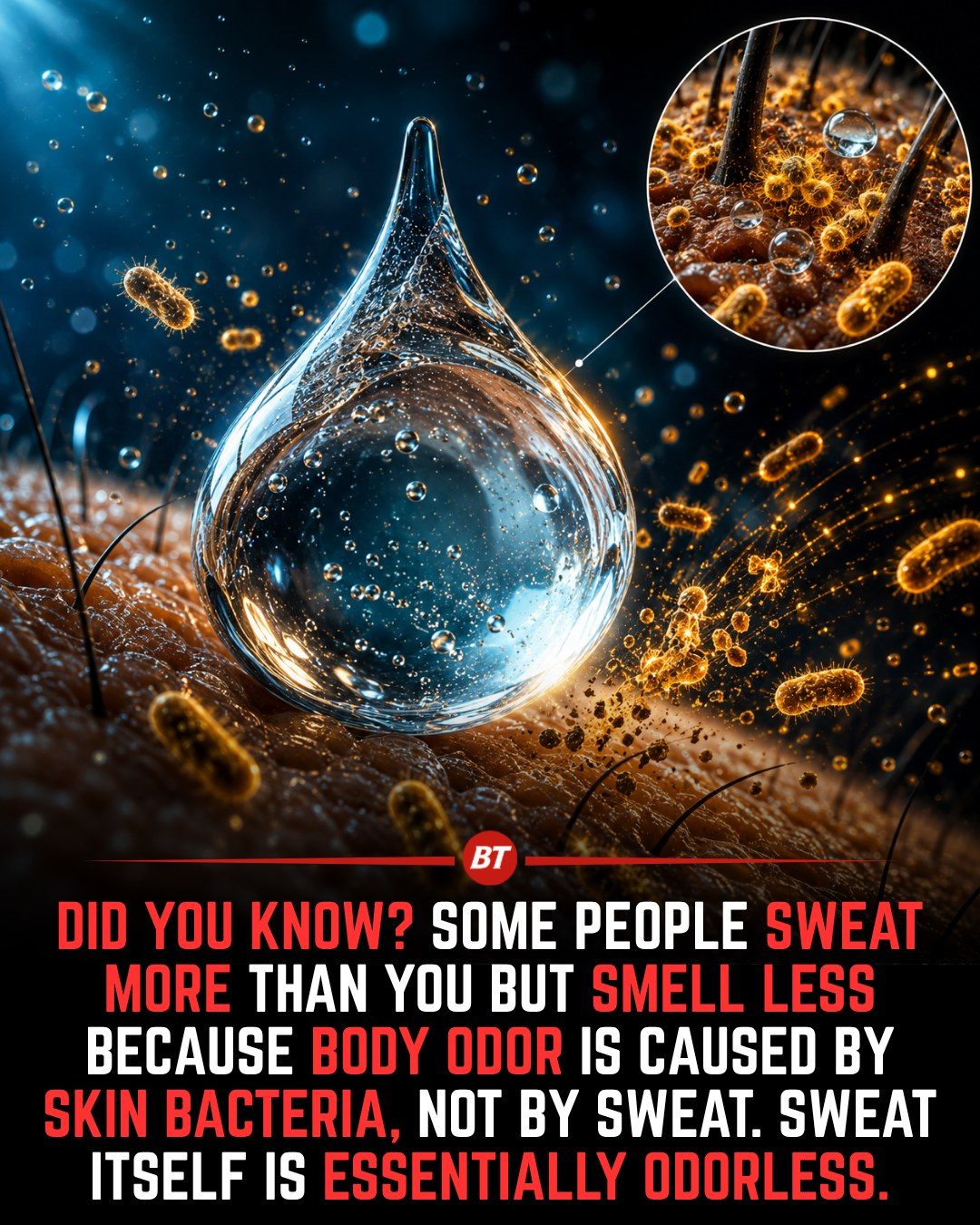
Body odor is a universal human experience, but the science behind it is often misunderstood. Many people assume that sweating more leads to stronger body odor. However, the truth is more nuanced. Fresh sweat is almost completely odorless. It is the bacteria living on your skin that create the smell most people associate with body odor.
Why This Matters
Understanding the science behind body odor can help you manage it more effectively. By knowing what causes the smell, you can make informed choices about hygiene, clothing, and personal care products. This knowledge can also help dispel myths and misconceptions, leading to a more accurate and helpful approach to personal hygiene.
The Science of Sweat
Types of Sweat Glands
Your body has two main types of sweat glands: eccrine and apocrine.
Eccrine Glands
Eccrine glands are found across most of your body and produce mostly water and electrolytes. Their primary function is to help cool you down during exercise or hot weather. This type of sweat is essentially odorless.
Apocrine Glands
Apocrine glands are located mainly in the armpits and groin. They release a thicker fluid containing proteins and fats. On its own, this sweat has very little smell. The odor develops only after naturally occurring skin bacteria break these compounds down into small, volatile molecules that produce the familiar scent of body odor.
The Role of Bacteria
Body odor is primarily caused by skin bacteria, not by sweat. Specific bacteria, particularly species of Corynebacterium and Staphylococcus, are largely responsible for producing body odor. These bacteria break down the compounds in sweat, creating the characteristic smell.
Factors Influencing Body Odor
Several factors influence how much body odor develops, including:
- Genetics: Some people naturally produce less odor-causing bacteria.
- Skin Microbiome: The unique composition of bacteria on your skin can affect odor.
- Hygiene Habits: Regular washing can help control bacteria.
- Hormones: Hormonal changes can affect sweat composition and odor.
- Clothing: Breathable fabrics can help reduce odor.
- Diet: Certain foods can influence body odor.
Managing Body Odor
Hygiene and Clothing
If body odor is your main concern, focusing on hygiene and clothing choices can make a significant difference.
- Washing: Regularly wash areas like the armpits with soap.
- Breathable Clothing: Wear clean, breathable clothing to reduce moisture and bacteria buildup.
- Deodorant: Use a deodorant if needed to control bacteria.
Deodorants vs. Antiperspirants
Deodorants and antiperspirants work differently to manage body odor.
- Deodorants: Focus on reducing odor-causing bacteria.
- Antiperspirants: Work by reducing the amount of sweat that reaches the skin's surface.
Together, they target different parts of the process, helping to manage body odor more effectively.
Practical Tips
Daily Routine
- Shower Regularly: Daily showers can help control bacterial growth.
- Wash Clothes Often: Regularly wash your clothes to remove bacteria.
- Choose Breathable Fabrics: Opt for cotton or other breathable fabrics.
- Use Deodorants: Apply deodorant regularly to control bacteria.
Diet and Lifestyle
- Hydrate: Drink plenty of water to help flush out toxins.
- Avoid Trigger Foods: Certain foods like garlic and spicy dishes can affect body odor.
- Manage Stress: High stress levels can increase sweating and body odor.
Important Takeaways
- Sweat is Odorless: Fresh sweat does not smell; it is the bacteria on your skin that cause body odor.
- Bacteria Play a Key Role: Specific bacteria break down sweat compounds, creating the familiar scent.
- Hygiene and Clothing Matter: Regular washing and breathable clothing can help control odor.
- Personal Care Products Can Help: Deodorants and antiperspirants target different aspects of the odor process.
Conclusion
Body odor is a complex issue influenced by various factors, including bacteria, genetics, and lifestyle choices. By understanding the science behind it and implementing effective hygiene and clothing practices, you can better manage and control body odor.
Watch the Reel
Questions readers ask
Why does sweat itself not smell, while body odor is strong?
Fresh sweat is largely odorless, consisting mostly of water, salt, and other trace elements. The smell associated with body odor comes from bacteria on your skin breaking down the sweat, particularly in areas like the armpits, which have a higher concentration of these bacteria.
What role do bacteria play in causing body odor?
Bacteria on your skin feed on the sweat produced by your body, breaking it down and releasing compounds that produce the characteristic body odor. These bacteria thrive in warm, moist environments, such as your armpits and groin area, making these regions more prone to odor.
How do sweat glands contribute to body odor?
There are two main types of sweat glands: eccrine and apocrine. Eccrine glands produce a watery sweat that helps regulate body temperature and is mostly odorless. Apocrine glands, found in areas like the armpits and groin, produce a thicker sweat that contains more proteins and fats, which bacteria feed on and break down to cause body odor.
What are some effective ways to manage body odor?
Effective body odor management involves keeping your skin clean and dry, especially in areas prone to sweat and bacteria. Regularly washing with an antibacterial soap, using antiperspirants or deodorants, and wearing breathable fabrics can help reduce body odor. Additionally, shaving or trimming the hair in areas like the armpits can help decrease bacterial growth.
Why does body odor seem to be worse in certain areas, like the armpits?
The armpits are a prime location for body odor due to a combination of factors. They have a high concentration of apocrine sweat glands, which produce a thicker sweat with more proteins and fats for bacteria to feed on. Additionally, the armpits are often moist and warm, creating an ideal environment for bacteria to thrive and produce odor.
Related deep dives
Similar reads based on topic and creator.




Recent articles
Fresh deep dives from the latest Reels we unpacked.




Comments
Be the first to comment.