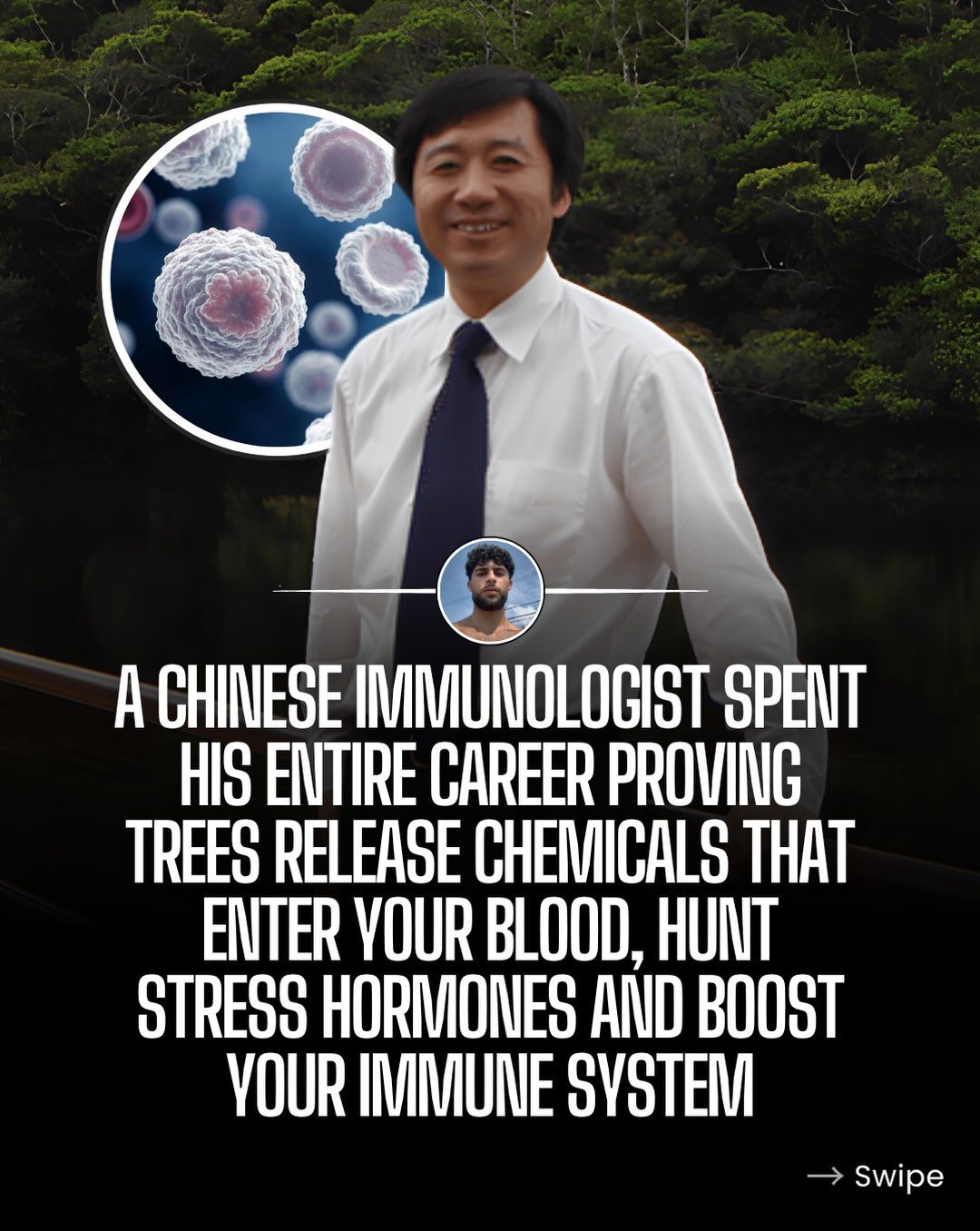
Forest Bathing: Benefits of Spending Time in Nature
Time spent in nature, particularly in forests, has long been appreciated for its calming and restorative effects. Recent scientific research has provided concrete evidence of the significant health benefits associated with forest bathing. This practice, known as Shinrin-yoku in Japan, involves immersing oneself in a forest environment to promote well-being.
Why This Matters
In today's fast-paced world, stress and its associated health problems are prevalent. Forest bathing offers a natural and accessible way to mitigate these issues. By understanding the science behind forest bathing, individuals can incorporate this practice into their routines to enhance both mental and physical health.
The Science of Forest Bathing
The Role of Phytoncides
At the heart of forest bathing's benefits are phytoncides, natural compounds released by trees. These compounds, when inhaled, can have a profound impact on human health.
Phytoncides are organic compounds that trees produce to protect themselves from insects and pathogens. When humans breathe in these compounds, they can enhance the activity of natural killer (NK) cells. NK cells are a type of white blood cell crucial for the immune system's function, as they help fight off viruses and abnormal cells.
Research shows that spending time in forested areas increases NK cell activity. A study found that participants who spent just two days in a forest experienced a significant boost in NK cell activity, which lasted for up to 30 days. This increase was not observed in those who spent similar amounts of time in urban environments.
Reducing Stress Hormones
Forest bathing also has a notable impact on stress levels. Cortisol, a hormone often referred to as the "stress hormone," can have detrimental effects on the body when levels are consistently high. Spending time in nature has been shown to lower cortisol levels, thereby reducing the body's stress response.
Reduced cortisol levels contribute to a more relaxed state, which can improve mental health and overall well-being. Additionally, forest bathing has been linked to lower blood pressure and the activation of the body's rest-and-recover response. This helps to counteract the chronic stress that many people experience in their daily lives.
Practical Tips for Forest Bathing
To maximize the benefits of forest bathing, it's important to approach it mindfully.
Duration and Frequency
For optimal results, aim to spend 20-30 minutes in a forested area regularly. If possible, longer visits can provide even greater benefits. Consistency is key, so try to make forest bathing a regular part of your routine.
Mindfulness and Presence
Being fully present in the moment is crucial for experiencing the full benefits of forest bathing. Skip the phone and other distractions, and focus on engaging your senses. Notice the sights, sounds, and smells of the forest. Pay attention to the texture of the bark, the rustling of leaves, and the freshness of the air.
Location and Environment
Choose a location that allows you to feel at ease and connected to nature. It could be a local forest, a park with plenty of trees, or even a well-maintained garden.
Important Takeaways
Forest bathing is a powerful tool for enhancing both physical and mental health. The natural compounds released by trees, such as phytoncides, can boost immune function and reduce stress hormones. Regular forest bathing sessions can lead to sustained improvements in overall well-being.
Conclusion
Incorporating forest bathing into your life is a simple yet effective way to harness the healing power of nature. By spending time in forested areas and engaging your senses, you can experience the numerous benefits that come with this practice. Whether you're looking to boost your immune system, reduce stress, or simply enjoy a moment of tranquility, forest bathing offers a natural and accessible solution.
Watch the Reel
Questions readers ask
What is forest bathing and how do I practice it?
Forest bathing, or Shinrin-yoku, is the practice of immersing yourself in a forest environment to boost your well-being. To practice, find a forest or wooded area, and engage your senses by walking slowly and mindfully, observing nature, and taking deep breaths. Spend at least 20 minutes, but longer if you can, without any distractions.
What are phytoncides and how do they benefit my health?
Phytoncides are natural compounds released by trees to protect themselves from insects and decay. When you inhale these compounds during forest bathing, they can stimulate the production of white blood cells, which helps boost your immune function. This makes you more resilient to infections and diseases.
How does forest bathing help reduce stress?
Forest bathing has been shown to lower cortisol levels, which are hormones associated with stress. By spending time in a forest, you can reduce these stress hormones, promoting a sense of calm and relaxation. Lower cortisol levels can also help improve your mood and reduce symptoms of anxiety and depression.
Can forest bathing improve my immune system?
Yes, forest bathing can enhance your immune system. Phytoncides stimulate the production of natural killer (NK) cells, a type of white blood cell that plays a crucial role in immune response. Increased NK cell activity can help your body fend off infections and diseases more effectively.
How long do I need to spend in the forest to experience benefits?
Even short periods of forest bathing can have positive effects. Research shows that spending just 20 minutes in a forest environment can lower cortisol levels and reduce stress. The longer you spend, the more benefits you may experience, but even brief visits can be beneficial.
Is forest bathing suitable for everyone?
Forest bathing is generally suitable for everyone, from young children to the elderly. However, if you have mobility issues or any health concerns, it's a good idea to consult with a healthcare provider before beginning. Also, be aware of your surroundings and choose safe, well-maintained trails for your forest bathing experience.
Recent articles
Fresh deep dives from the latest Reels we unpacked.




Comments
Be the first to comment.