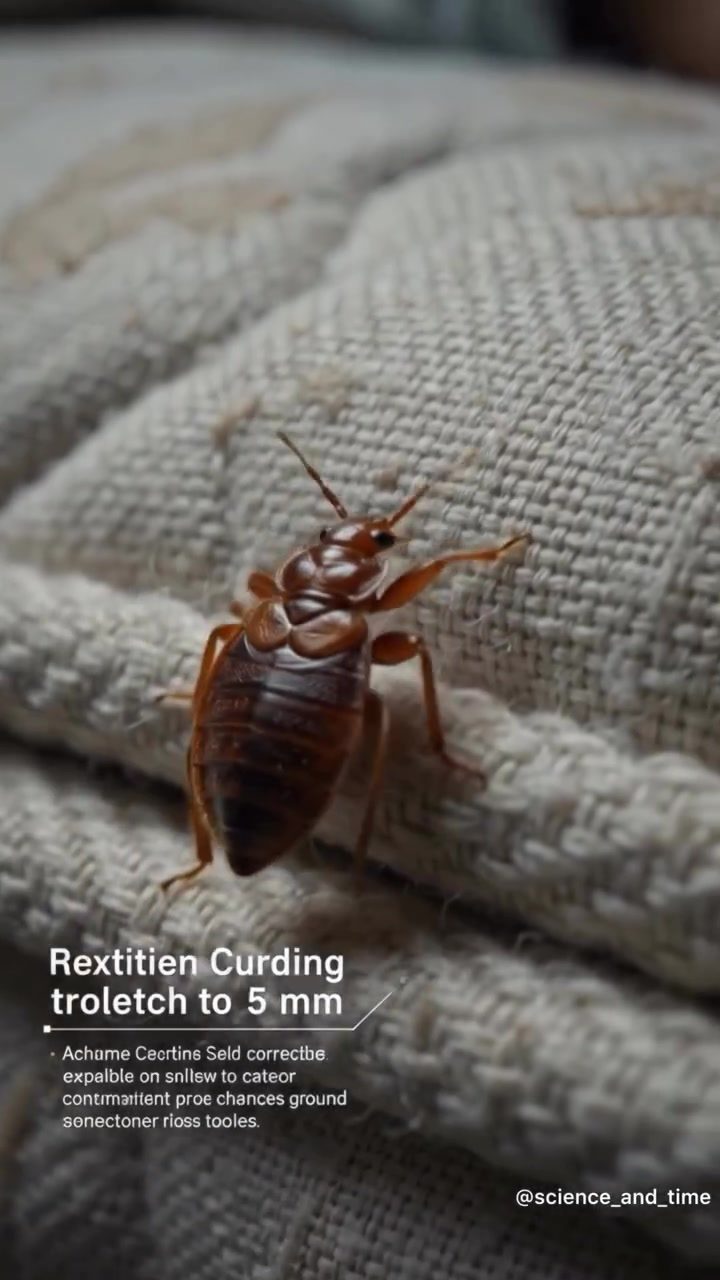
Bed bugs are one of the most persistent and challenging pests to eradicate from homes. Their ability to survive and thrive in various environments makes them a significant issue for many households. Understanding their behavior, survival tactics, and effective methods for control is crucial for anyone dealing with an infestation.
Context / Why this Matters
Bed bugs have evolved to be highly efficient at hiding, detecting humans, and surviving without food for extended periods. These adaptable creatures can easily spread from one location to another, often hitching rides in luggage, clothes, and furniture. This makes them a common problem in both residential and commercial settings.
How Bed Bugs Operate
Detection and Feeding
Bed bugs rely on human breath and body heat to detect their hosts. Using specialized sensors, they can pinpoint their prey, then feed through two tiny tubes, making their presence nearly undetectable. This stealthy method allows them to feed without being noticed, making it difficult to identify an infestation in its early stages.
Spreading and Reproduction
Bed bugs don't have the ability to fly or jump. Instead, they spread by hiding in small spaces within luggage, clothing, and furniture. Their mobility is a significant factor in how quickly they can spread from one home to another, making them particularly problematic in multi-unit dwellings and frequently visited spaces like hotels and dormitories.
A single female bed bug can lay hundreds of eggs, hiding them deep inside cracks and crevices. These eggs are resilient and can survive ordinary sprays, allowing the infestation to grow and spread rapidly. Even after months without food, bed bugs can detect human presence through heat and breath, awakening and beginning to feed immediately.
Resistance to Treatments
One of the most alarming aspects of bed bugs is their ability to develop resistance to common insecticides. Mutations in some bed bugs weaken the effectiveness of insecticides, allowing survivors to reproduce and gradually create resistant populations. This resistance makes traditional pest control methods less effective over time, necessitating more advanced and comprehensive strategies.
Effective Control Methods
Heat Treatment
Heat is a highly effective method for controlling bed bugs. It destroys essential proteins, damages cells, and shuts down organs, making it impossible for the bugs to survive. Heat reaches hidden bed bugs better than foggers, making thorough drying and professional heat treatment the most effective solutions. Professional heat treatments involve raising the temperature of the infested area to a level lethal to bed bugs, ensuring that all stages of the pests, including eggs, are eliminated.
Careful Inspections
Regular and thorough inspections are crucial for detecting and controlling bed bug infestations. Inspections should focus on areas where bed bugs are likely to hide, such as cracks in walls, under mattresses, and in furniture. Detecting bed bugs early can prevent a small problem from becoming a full-blown infestation.
Prevention
Preventing bed bug infestations involves being vigilant. Avoid bringing in second-hand furniture without thoroughly inspecting it, and be cautious when traveling by checking hotel rooms for signs of bed bugs. Keeping your living space clean and clutter-free reduces potential hiding spots, making it harder for bed bugs to thrive.
Practical Tips
- Inspect Second-Hand Items: Thoroughly check second-hand furniture, clothing, and other items for signs of bed bugs before bringing them into your home.
- Regular Cleaning: Maintain a clean and clutter-free living space to reduce hiding spots for bed bugs.
- Travel Precautions: When traveling, inspect hotel rooms for signs of bed bugs and keep your luggage off the floor and away from beds and walls.
- Professional Help: If you suspect a bed bug infestation, contact a professional pest control service for a thorough inspection and treatment.
Important Takeaways
- Detection and Feeding: Bed bugs detect humans using breath and body heat, making them nearly undetectable while feeding.
- Reproduction: A single female can lay hundreds of eggs, which are resilient and can survive ordinary sprays.
- Resistance: Some bed bugs have developed resistance to common insecticides, making traditional pest control methods less effective.
- Effective Control: Heat treatment and thorough inspections are the most effective methods for controlling and preventing bed bug infestations.
Conclusion
Bed bugs are a persistent and challenging pest, but with the right knowledge and strategies, they can be effectively managed. Understanding their behavior, detection methods, and effective control strategies is key to preventing and eradicating infestations. Whether you're dealing with a current problem or taking preventive measures, being informed and vigilant is your best defense against these resilient pests.
Watch the Reel
Questions readers ask
How do bed bugs survive for extended periods without food?
Bed bugs can survive for several months without feeding. They have a low metabolic rate and can enter a state of dormancy to conserve energy, allowing them to endure long periods without a blood meal.
What makes bed bugs resistant to common insecticides?
Bed bugs have developed resistance to many common insecticides due to over-exposure. This resistance is often genetic and allows them to survive treatments that would otherwise be lethal.
How do bed bugs detect humans to feed?
Bed bugs use a combination of sensors to detect humans. They are attracted to the carbon dioxide in our breath and the heat emitted by our bodies, which helps them locate their hosts in the dark.
What are the most effective methods for controlling a bed bug infestation?
Effective bed bug control involves a combination of strategies, including steam treatments, heat treatments, and the use of non-insecticidal pesticides, along with professional pest control services.
What are the most common hiding places for bed bugs?
Bed bugs often hide in small cracks and crevices, such as in mattresses, box springs, bed frames, and furniture. They can also be found behind baseboards, in wall voids, and even in electrical outlets.
How can I prevent the spread of bed bugs from one location to another?
To prevent the spread of bed bugs, always inspect second-hand furniture before bringing it into your home. When traveling, keep luggage off the floor and inspect hotel rooms for signs of infestation. Regularly clean and declutter your home to minimize potential hiding spots.
Recent articles
Fresh deep dives from the latest Reels we unpacked.




Comments
Be the first to comment.