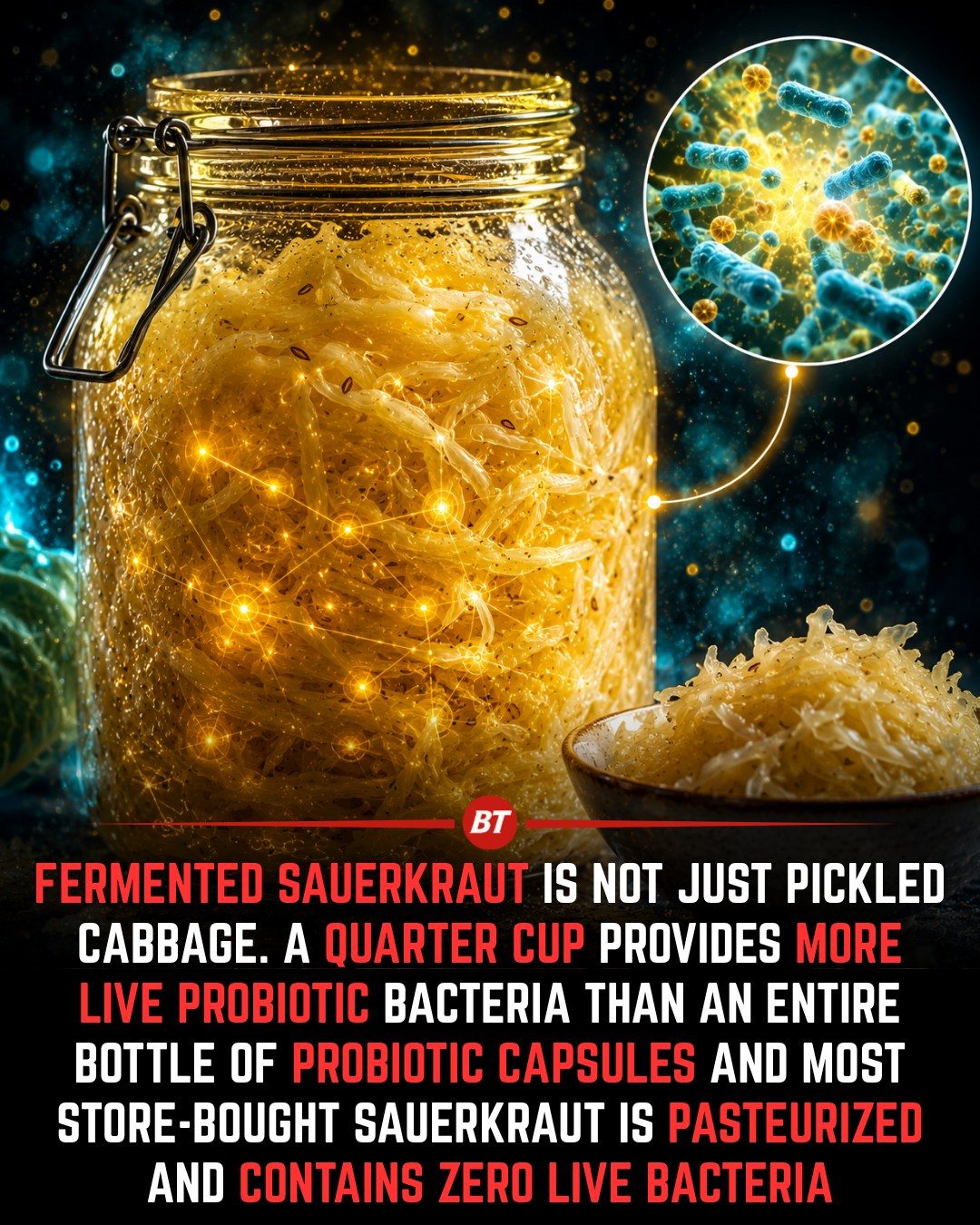
Sauerkraut: Unlocking the Power of Fermented Cabbage
Sauerkraut, a staple in many cuisines, is more than just a tangy side dish. It's a powerhouse of live probiotic bacteria that can significantly benefit gut health. However, not all sauerkraut is created equal. Understanding the differences between traditionally fermented sauerkraut and its pasteurized counterparts can help you make informed choices for better digestive health.
Why This Matters
Fermented foods like sauerkraut have been a part of human diets for centuries. The fermentation process not only enhances the flavor but also boosts the nutritional value of the food. Sauerkraut, in particular, is rich in beneficial bacteria that support digestive health. However, many store-bought varieties undergo pasteurization, which eliminates these live microbes. Knowing how to identify and incorporate live-culture sauerkraut into your diet can enhance your overall health.
The Science Behind Fermented Sauerkraut
The Fermentation Process
Traditional sauerkraut is made through lactic acid fermentation, a natural process where beneficial bacteria, such as Lactobacillus, consume sugars in the cabbage and produce organic acids. These acids not only preserve the food but also create the tangy flavor characteristic of sauerkraut. During fermentation, the populations of these beneficial bacteria can multiply into the billions, making sauerkraut a rich source of live probiotic bacteria.
Benefits of Live Probiotic Bacteria
Fermented sauerkraut is not just pickled cabbage; it is a living food teeming with diverse microorganisms. A quarter cup of fermented sauerkraut can provide more live probiotic bacteria than an entire bottle of probiotic capsules. These microbes help support digestive health by maintaining a healthy gut microbiome. Researchers have found that fermented vegetables, including sauerkraut, can provide a wide variety of live microorganisms, organic acids, enzymes, and beneficial plant compounds. This diverse microbial ecosystem is often more robust than many probiotic supplements, which typically contain only a few strains.
The Impact of Pasteurization
How Pasteurization Affects Sauerkraut
Many commercial sauerkraut products are pasteurized after fermentation to increase their shelf life. While pasteurization improves stability and safety, the heat also destroys the live bacteria that make sauerkraut unique. As a result, many shelf-stable jars of sauerkraut contain the flavor of fermented cabbage but lack the living microbes that offer health benefits. This means that while pasteurized sauerkraut may taste similar to its fermented counterpart, it does not provide the same gut health benefits.
Identifying Live-Culture Sauerkraut
If you're looking for live cultures, you'll typically find them in refrigerated, unpasteurized sauerkraut labeled as containing live or active cultures. These products are often found in the refrigerated section of health food stores or specialty markets. Look for labels that specify "live cultures" or "active cultures" to ensure you are getting the benefits of live probiotic bacteria.
Incorporating Sauerkraut into Your Diet
Practical Tips for Enjoying Sauerkraut
Adding a few forkfuls of refrigerated, fermented sauerkraut to your meals can be a simple and effective way to boost your intake of beneficial bacteria. Here are some practical tips for incorporating sauerkraut into your diet:
- Salads and Sandwiches: Add a spoonful of sauerkraut to your favorite salads or sandwiches for an extra tangy kick and a dose of probiotics.
- Egg Dishes: Mix sauerkraut into scrambled eggs, frittatas, or omelets. The tangy flavor pairs well with eggs, and the probiotics can support your digestive health.
- Meals: Use sauerkraut as a topping for soups, stews, or even as a side dish. It can add a burst of flavor and nutrition to any meal.
Cooking with Sauerkraut
It's best to enjoy sauerkraut cold or add it to dishes after cooking. Heat can kill the beneficial bacteria, so avoiding high temperatures is crucial. If you prefer cooked sauerkraut, consider adding it to dishes that require minimal heating or consuming it as a cold side.
Important Takeaways
Sauerkraut is a versatile and nutrient-rich food that can support digestive health. Traditional, fermented sauerkraut contains a diverse microbial ecosystem that offers numerous benefits. However, many store-bought varieties are pasteurized, losing their live probiotic bacteria. To reap the health benefits, opt for refrigerated, unpasteurized sauerkraut labeled as containing live or active cultures. Incorporating a few forkfuls of sauerkraut into your meals can be an easy and delicious way to support your gut health.
Conclusion
Sauerkraut, when fermented traditionally, is a rich source of live probiotic bacteria that can enhance digestive health. Understanding the differences between fermented and pasteurized sauerkraut can help you make better choices for your health. By opting for live-culture sauerkraut and incorporating it into your diet, you can enjoy the tangy flavor and the numerous health benefits it offers.
Watch the Reel
Questions readers ask
What exactly is the fermentation process in sauerkraut?
The fermentation process in sauerkraut involves lacto-fermentation, where cabbage is submerged in a brine solution. Beneficial bacteria, primarily lactobacilli, convert the sugars in the cabbage into lactic acid, creating an acidic environment that not only preserves the cabbage but also promotes the growth of probiotic bacteria.
How does pasteurization affect the benefits of sauerkraut?
Pasteurization involves heating the sauerkraut to kill harmful bacteria, but it also eliminates the live probiotic bacteria that are beneficial for gut health. As a result, pasteurized sauerkraut may not offer the same digestive benefits as its fermented counterpart.
Can I still get benefits from pasteurized sauerkraut?
While pasteurized sauerkraut may retain some of its nutritional content, such as vitamins and minerals, it lacks the live probiotic bacteria that support gut health. Thus, the benefits are more limited compared to fermented sauerkraut.
What are the benefits of consuming live bacteria in sauerkraut?
Live bacteria in fermented sauerkraut can help maintain a healthy balance of gut flora, which aids in digestion, boosts the immune system, and may even improve nutrient absorption. These beneficial bacteria can also help prevent the growth of harmful microbes in the gut.
Why is raw, fermented sauerkraut better for gut health?
Raw, fermented sauerkraut contains live probiotic bacteria that can actively support gut health. These live microbes help to maintain a healthy gut microbiome, which is crucial for digestion, nutrient absorption, and overall immune function. Raw sauerkraut has not been heated, preserving these beneficial microbes.
Related deep dives
Similar reads based on topic and creator.




Recent articles
Fresh deep dives from the latest Reels we unpacked.




Comments
Be the first to comment.