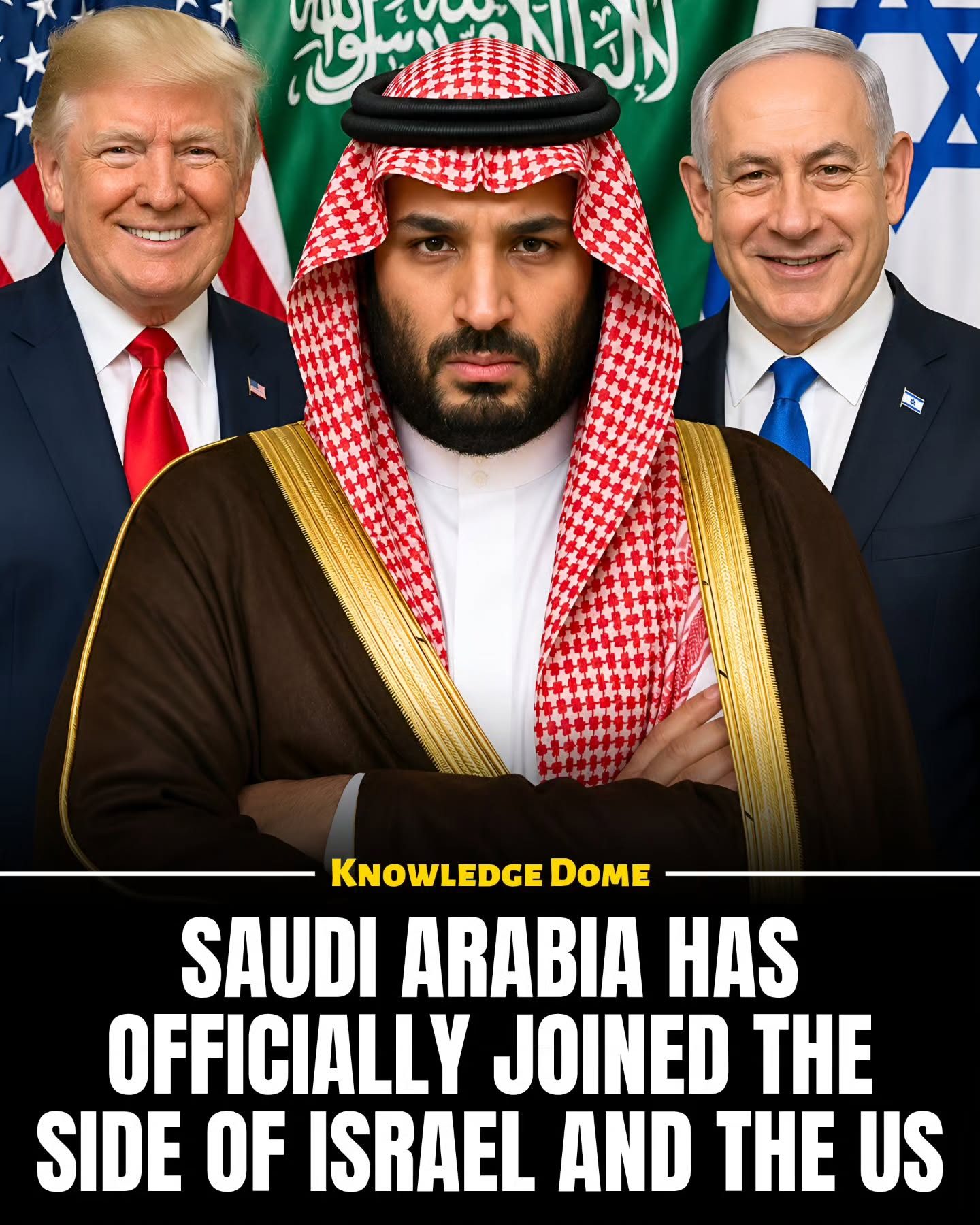
Saudi Arabia, Iran, and the Houthis: A Complex Web of Middle East Tensions
Geopolitical tensions in the Middle East are often complex and multifaceted, involving various nations and factions. A recent phone call between Saudi Crown Prince Mohammed bin Salman, often referred to as MBS, and then-US President Donald Trump highlighted one such instance of international relations. The call discussed a rare military operation against Houthi targets in Yemen, which Trump reportedly approved before it occurred.
Context / Why this matters
These interactions highlight the intricate alliances and power dynamics that exist in the Middle East. The conflict in Yemen, which began in 2015, involves multiple parties with differing agendas. Understanding these dynamics is crucial for anyone interested in global politics, foreign policy, or regional stability.
The Phone Call
The phone call between Saudi Crown Prince Mohammed bin Salman and Donald Trump took place amidst rising tensions near the border between Saudi Arabia and Yemen. The Houthis, a Yemeni rebel group, have been supported by Iran, adding an additional layer of complexity to the situation. The Houthis' actions, including attempts to move an aircraft linked to Iran through Yemen, led Saudi forces to take action at an airport to prevent this.
Prior to the Saudi strike, the Saudi delegation sought and received support from the United States. This support was crucial as it signaled a coordinated effort and underscored the strategic importance of the operation. The strike targeted Houthi targets, which was a significant move given the ongoing tensions and the potential for escalation.
rising tensions and retaliation
The operation was not without consequences. Following the Saudi strike, the Houthis retaliated with drone and missile attacks targeting cities such as Abha and other civilian areas. This retaliation not only heightened tensions but also illustrated the rapidly evolving nature of the conflict. The situation underscores the delicate balance of power in the region and the need for careful diplomacy to prevent further escalation.
The US and Saudi Relations
The support from Trump for the Saudi military operation was a strong indicator of the strategic alliance between the United States and Saudi Arabia. This alliance has been a cornerstone of regional politics for decades, often focusing on maintaining stability in the Middle East. The close coordination before the attack began highlighted the depth of this relationship and the importance of mutual support in addressing regional threats.
The Conflict in Yemen
The conflict in Yemen is a multifaceted and long-lasting issue, involving various local and international actors. The Houthis, backed by Iran, have been fighting against the Saudi-led coalition since 2015. This conflict has led to a humanitarian crisis, with millions of people suffering from food and medical shortages.
The recent military operation underscores the ongoing tensions and the potential for further escalation. The involvement of external powers, such as the United States and Iran, adds an additional layer of complexity to the situation. Understanding the dynamics of this conflict is essential for anyone interested in global politics and Middle East stability.
Practical Tips for Understanding Middle East Conflicts
Navigating the complexities of Middle East conflicts can be challenging. Here are some practical tips to help you gain a better understanding:
- Stay Informed: Keep up with the latest news and developments in the region. Reliable news sources can provide valuable insights into the current situation.
- Read Wide: Look at perspectives from different sources, including those from the region. This can help you gain a more balanced understanding of the issues at hand.
- Understand Historical Context: The current conflicts in the Middle East are often rooted in historical events and dynamics. Understanding the past can help you make sense of the present.
- Be Critical: Be critical of the information you consume. Consider the source and the potential biases that may be present.
Important takeaways
Several key takeaways emerge from this situation:
- Strategic Alliances: The close coordination between the United States and Saudi Arabia highlights the importance of strategic alliances in addressing regional threats.
- Escalation Risks: The rapid escalation of tensions following the Saudi strike underscores the need for careful diplomacy to prevent further conflicts.
- Regional Dynamics: The complexities of the Middle East conflict, including the involvement of various actors and external powers, show the delicate balance of power in the region.
Conclusion
The situation in Yemen, and by extension the Middle East, is a complex web of alliances, tensions, and geopolitical interests. The phone call between Saudi Crown Prince Mohammed bin Salman and Donald Trump, along with the subsequent military operations and retaliations, serves as a stark reminder of the need for careful diplomacy and strategic alliances.
Watch the Reel
Questions readers ask
Why are Saudi Arabia and the US involved in Yemen?
Saudi Arabia and the US are involved in Yemen primarily due to concerns surrounding the Houthi movement, which is backed by Iran. The US provides military support to Saudi Arabia, reflecting a broader regional power struggle between Saudi Arabia and Iran.
What is the significance of the phone call between MBS and Trump?
The phone call between Saudi Crown Prince Mohammed bin Salman (MBS) and then-US President Donald Trump was significant because it highlighted the close military coordination between the two nations. Trump's approval of a military operation against Houthi targets in Yemen showcased the US's direct involvement in the conflict and its support for Saudi military actions.
How does the US military support the Saudi efforts in Yemen?
The US provides military support to Saudi Arabia in Yemen through various means, including weapons sales, intelligence sharing, and logistical support. This support helps Saudi Arabia conduct military operations against Houthi targets and maintain a strong defense against perceived threats from Iran.
Who are the Houthis and what is their role in the Yemen conflict?
The Houthis are a Shia-led political and military organization in Yemen, backed by Iran. They have been engaged in a conflict against the internationally recognized Yemeni government and its allies, including Saudi Arabia and the US. The conflict has resulted in a complex and devastating humanitarian crisis, with multiple factions and external powers involved.
How does the Saudi-US military alliance impact regional stability in the Middle East?
The Saudi-US military alliance is a key factor in shaping regional stability in the Middle East. While it aims to counter Iranian influence and maintain a balance of power, it also contributes to ongoing conflicts and tensions, such as those in Yemen. The alliance's actions have broad implications for regional security and the broader geopolitical landscape.
Recent articles
Fresh deep dives from the latest Reels we unpacked.




Comments
Be the first to comment.