Global Oil Market
The global oil market is a complex web of supply, demand, and geopolitical forces. Ali Al-Naimi, a prominent figure in the oil industry, played a pivotal role in shaping these markets during a particularly turbulent period in modern energy history. His insights and actions, especially during the 2008 oil spike, provide a deeper understanding of how oil prices are influenced by factors beyond simple supply and demand.
Context
The 2008 oil spike, which saw prices surge to nearly $147 per barrel, highlighted the intertwined nature of energy markets and geopolitics. During this period, tensions within the Organization of the Petroleum Exporting Countries (OPEC) were not solely about supply but also about the strategic advantages of higher oil prices. Countries like Iran, for instance, had incentives to keep prices elevated to fund national priorities through oil revenues.
Saudi Arabia's Role
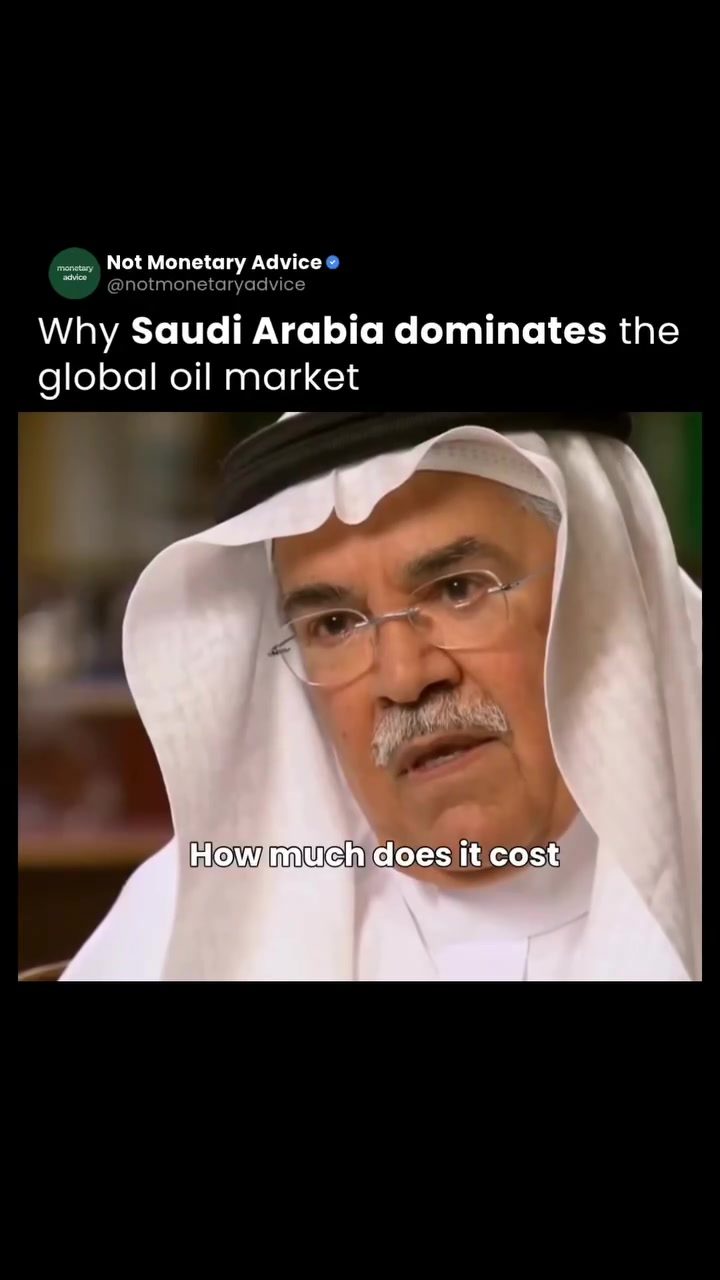
One of the key figures in this complex landscape was Ali Al-Naimi, who at the time was the Saudi Arabian Oil Minister. Saudi Arabia, with its significant oil reserves, has the ability to influence global oil prices. During a speech, Al-Naimi revealed that the cost of producing a barrel of oil in Saudi Arabia is remarkably low, estimated to be less than $2. This low production cost gives Saudi Arabia a unique advantage in the global oil market.
Dominance and Influence
Saudi Arabia's dominance in the oil market is not just about its vast reserves but also about its strategic use of oil as a tool for geopolitical influence. The country's low production costs allow it to maintain market stability by increasing or decreasing production as needed. This strategy helps to balance global supply and demand, preventing extreme price fluctuations.
Political and Economic Factors
Oil prices are shaped by more than just the fundamentals of supply and demand. Geopolitical factors, national interests, and power dynamics play a crucial role. For example, during the 2008 oil spike, Saudi Arabia advocated for market stability, while other countries within OPEC favored higher prices. This internal conflict illustrated how oil prices can be manipulated for political and economic gains. The role of oil revenue in funding national priorities, especially in countries heavily reliant on oil exports, further complicates the market dynamics.
The Cost of Oil Production
Understanding the cost of oil production is essential for grasping the economic forces at play in the global oil market. In Saudi Arabia, the cost of producing a barrel of oil is significantly lower than in many other countries. This low production cost allows Saudi Arabia to maintain a competitive edge, influencing market stability and pricing strategies.
Economic Implications
The low production cost in Saudi Arabia has several economic implications. It allows the country to act as a swing producer, adjusting its oil output to stabilize global prices. This influence is crucial during periods of high volatility, such as the 2008 oil spike, where Saudi Arabia's actions helped to mitigate the impact of supply disruptions and price fluctuations.
Political Implications
The economic power derived from low production costs also translates into political influence. Saudi Arabia's ability to control its oil output gives it a significant advantage in geopolitical negotiations. By adjusting oil production, Saudi Arabia can exert pressure on other countries, influencing global policies and economic decisions.
Practical Tips
For those interested in understanding and navigating the global oil market, several practical tips can be useful:
Stay Informed
Keeping abreast of global oil market trends, geopolitical developments, and production data is essential. This information helps in making informed decisions, whether you are an investor, policymaker, or consumer.
Understand Production Costs
Recognizing the varying production costs across different countries can provide insights into market dynamics. Countries with lower production costs, like Saudi Arabia, often have more significant influence over global oil prices.
Consider Geopolitical Factors
Oil prices are not solely driven by supply and demand but also by political and economic forces. Understanding the interplay between these factors can help in predicting market trends and making strategic decisions.
Important Takeaways
The global oil market is a complex system influenced by a myriad of factors, including supply, demand, and geopolitical considerations. Saudi Arabia's ability to produce oil at a low cost and its strategic use of this advantage have made it a key player in the market. The 2008 oil spike highlighted the importance of geopolitical factors in shaping oil prices, underscoring the need for a nuanced understanding of the market.
Conclusion
The global oil market is a dynamic and multifaceted arena where economic and political forces intersect. Understanding the role of countries like Saudi Arabia, along with the economic and political factors at play, is crucial for anyone involved in the energy sector. By staying informed and considering the broader context, one can gain a deeper appreciation for the complexities of the global oil market and make more informed decisions.
Watch the Reel
Questions readers ask
How do Saudi Arabia's oil reserves contribute to its global influence on oil prices?
Saudi Arabia's vast oil reserves, among the largest in the world, allow it to maintain significant market share. This enables the country to influence global oil supply and, consequently, oil prices by adjusting its production levels.
What was the significance of the 2008 oil spike in relation to Saudi Arabia's oil strategy?
The 2008 oil spike, which saw prices reach nearly $147 per barrel, was a critical moment that highlighted Saudi Arabia's strategic use of oil as a geopolitical tool. During this period, Saudi Arabia's production decisions aimed to balance market stability and geopolitical advantage.
How does Saudi Arabia's low production cost impact global oil prices?
Saudi Arabia's low production costs allow it to maintain profitability even when oil prices are relatively low. This enables the country to influence global oil prices by adjusting its production levels without facing the same financial pressures as higher-cost producers.
What role does Saudi Arabia play in balancing global oil supply and demand?
Saudi Arabia often acts as a swing producer, adjusting its oil production to balance global supply and demand. This role helps to stabilize oil prices and prevent excessive fluctuations in the global market.
How have Saudi Arabia's oil exports influenced global oil demand and supply?
Saudi Arabia's oil exports are a significant component of the global oil supply. The country's ability to increase or decrease production and exports helps to manage global oil demand and supply, directly influencing oil prices.
What is the impact of geopolitical tensions on Saudi Arabia's oil strategy?
Geopolitical tensions can significantly impact Saudi Arabia's oil strategy. The country often uses its oil production and export capabilities as leverage to address geopolitical issues, which in turn affects global oil supply and prices.
How does Saudi Arabia's energy policy influence the global oil market?
Saudi Arabia's energy policy, which includes strategic decisions about oil production, exports, and market interventions, plays a crucial role in shaping the global oil market. These policies aim to maintain market stability and support the country's economic and geopolitical interests.
Recent articles
Fresh deep dives from the latest Reels we unpacked.




Comments
Be the first to comment.