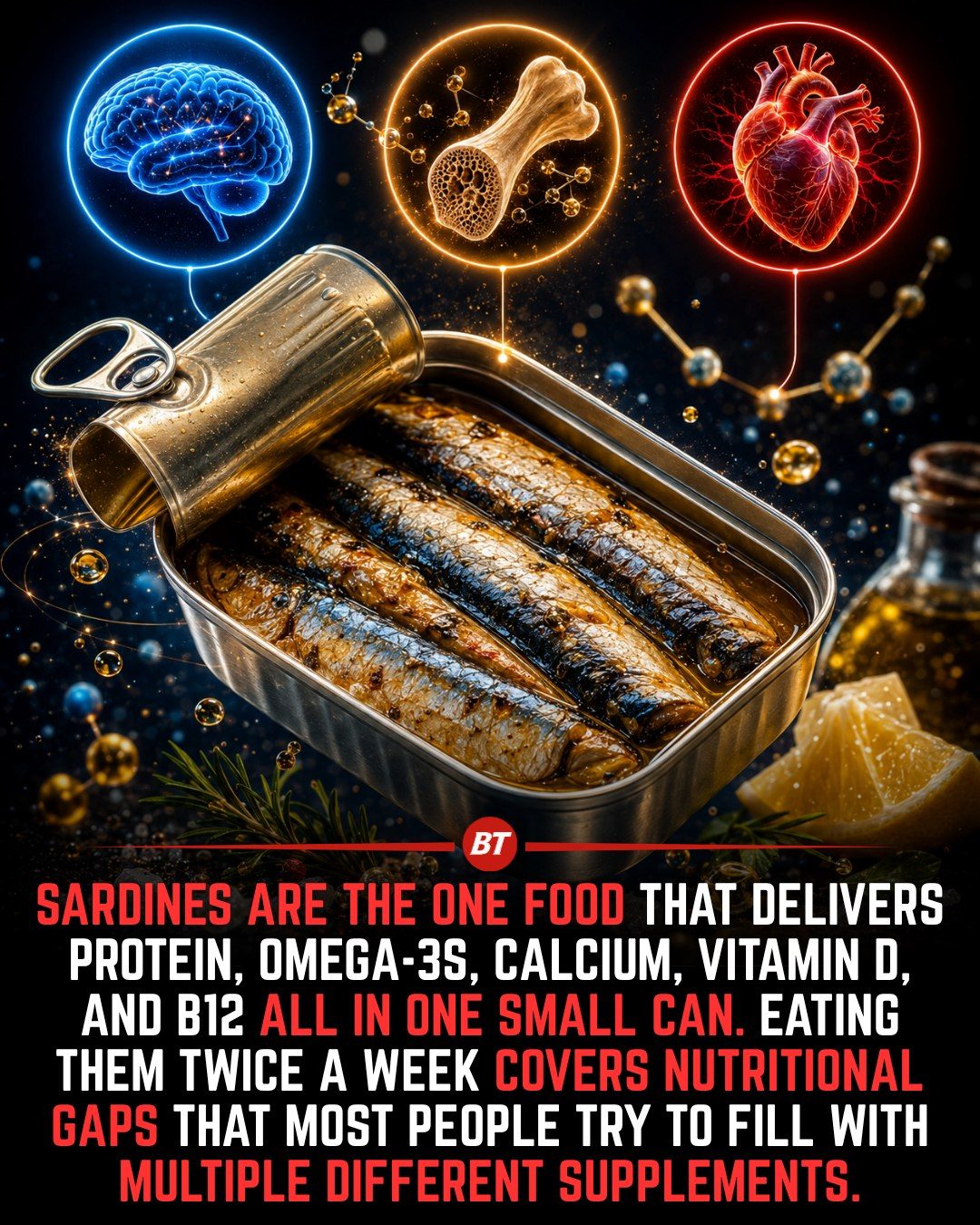
Canned Sardines: A Nutritional Powerhouse
Canned sardines are a nutritional powerhouse, offering a convenient and nutrient-dense food option. These small, bony fish pack a surprising amount of essential nutrients, making them a valuable addition to any diet.
Why This Matters
Incorporating canned sardines into your weekly meals can help bridge common nutritional gaps. Sardines are rich in protein, omega-3 fatty acids, calcium, vitamin D, and vitamin B12. These nutrients are crucial for maintaining overall health, supporting brain function, and promoting cardiovascular well-being.
The Nutritional Profile of Canned Sardines
Protein
One of the standout features of canned sardines is their high-quality protein content. Protein is essential for muscle growth and repair, and it plays a critical role in various bodily functions. By eating them twice a week, you can ensure a steady intake of this vital nutrient.
Omega-3 Fatty Acids
Sardines are an excellent source of omega-3 fatty acids, specifically EPA (eicosapentaenoic acid) and DHA (docosahexaenoic acid). These long-chain fatty acids are known for their heart-healthy benefits and their role in supporting brain function. Regular consumption of omega-3s can help reduce the risk of cardiovascular diseases and promote better cognitive health.
Calcium
Unlike many other fish, sardines are typically consumed with their soft, edible bones. These bones are a rich source of calcium, a mineral essential for strong bones, muscle contractions, and healthy nerve function. The combination of calcium and vitamin D in sardines makes them an excellent choice for maintaining bone health.
Vitamin D
Vitamin D is crucial for calcium absorption and overall bone health. Sardines are naturally rich in vitamin D, making them a valuable addition to your diet, especially for those who may not get enough sunlight or vitamin D from other sources.
Vitamin B12
Vitamin B12 is a key nutrient for healthy nerves, red blood cell production, and normal brain function. Canned sardines are a good source of vitamin B12, helping to ensure that you meet your daily requirements without relying on supplements.
Health Benefits of Eating Sardines
Heart Health
Research published in the American Journal of Clinical Nutrition and Circulation has shown that regularly eating fatty fish, like sardines, is associated with better cardiovascular health. The omega-3 fatty acids in sardines help lower triglyceride levels, reduce inflammation, and improve overall heart function.
Brain Health
The long-chain omega-3 fatty acids in sardines are crucial for brain health. Studies have shown that regular consumption of these fatty acids can support healthy brain aging and may help reduce the risk of cognitive decline.
Nutritional Completeness
Sardines offer a complete nutritional package, providing a variety of essential nutrients in one convenient serving. This makes them an excellent choice for those looking to optimize their diet without relying heavily on supplements.
Practical Tips for Incorporating Canned Sardines into Your Diet
Twice a Week
To reap the full benefits of canned sardines, aim to include them in your diet twice a week. This frequency can help ensure that you cover common nutritional gaps and maintain a balanced diet.
Versatile Recipes
Canned sardines are incredibly versatile and can be incorporated into a variety of dishes. Here are a few ideas to get you started:
- Whole-Grain Toast: Top whole-grain toast with mashed sardines, a sprinkle of chopped fresh herbs, and a squeeze of lemon.
- Salads: Mix sardines with your favorite greens, cherry tomatoes, cucumbers, and a tangy vinaigrette.
- Pasta Dishes: Toss canned sardines with pasta, olives, capers, and a drizzle of olive oil for a quick and flavorful meal.
- Lemon and Herb Sardines: Simply mix sardines with lemon juice, olive oil, and your favorite herbs for a simple yet delicious snack.
Pairing with Other Nutrient-Rich Foods
To maximize the nutritional benefits of sardines, pair them with other nutrient-rich foods. For example, combining sardines with leafy greens, which are high in vitamin K, can enhance calcium absorption and support bone health.
Important Takeaways
- Sardines are a nutrient-dense food, providing high-quality protein, omega-3 fatty acids, calcium, vitamin D, and vitamin B12.
- Their nutritional profile makes them an excellent choice for improving heart health, brain function, and overall nutritional status.
- Incorporating sardines into your diet twice a week can help cover common nutritional gaps and support a balanced diet.
- Sardines are an affordable and convenient source of essential nutrients, making them a valuable addition to any diet.
Conclusion
Canned sardines offer a host of nutritional benefits, making them a valuable addition to your diet. From their high protein and omega-3 content to their rich supply of calcium, vitamin D, and vitamin B12, sardines provide a complete nutritional package in a convenient serving. By eating them twice a week and incorporating them into versatile recipes, you can enhance your overall health and well-being.
Watch the Reel
Questions readers ask
Why are canned sardines considered a nutritional powerhouse?
Canned sardines are packed with essential nutrients such as protein, omega-3 fatty acids, calcium, vitamin D, and vitamin B12. These nutrients make them a valuable addition to any diet, helping to support overall health and bridge common nutritional gaps.
What are the benefits of consuming sardines twice a week for heart health?
The omega-3 fatty acids found in sardines can help reduce inflammation and lower the risk of heart disease. Regular consumption of sardines can also help maintain healthy cholesterol levels, promoting cardiovascular well-being.
How do sardines support muscle growth and repair?
Sardines are rich in high-quality protein, which is essential for building and repairing muscles. Including sardines in your diet can help meet your protein needs, especially for those looking to maintain or increase muscle mass.
What role do sardines play in brain health and cognitive function?
The omega-3 fatty acids in sardines, particularly DHA and EPA, are crucial for brain health. These fatty acids support cognitive function, reduce inflammation, and may help lower the risk of age-related cognitive decline.
Why are sardines a good source of vitamin B12 and calcium?
Sardines, especially when consumed with their bones, are an excellent source of vitamin B12 and calcium. These nutrients are essential for maintaining bone health, supporting the nervous system, and promoting overall well-being.
What are the benefits of eating canned sardines for those who are lactose intolerant?
Canned sardines can be a great option for those who are lactose intolerant, as they are naturally lactose-free. Additionally, sardines are a good source of calcium, which can be absorbed directly from the bones, making them a suitable alternative for those who avoid dairy products.
Related deep dives
Similar reads based on topic and creator.




Recent articles
Fresh deep dives from the latest Reels we unpacked.




Comments
Be the first to comment.