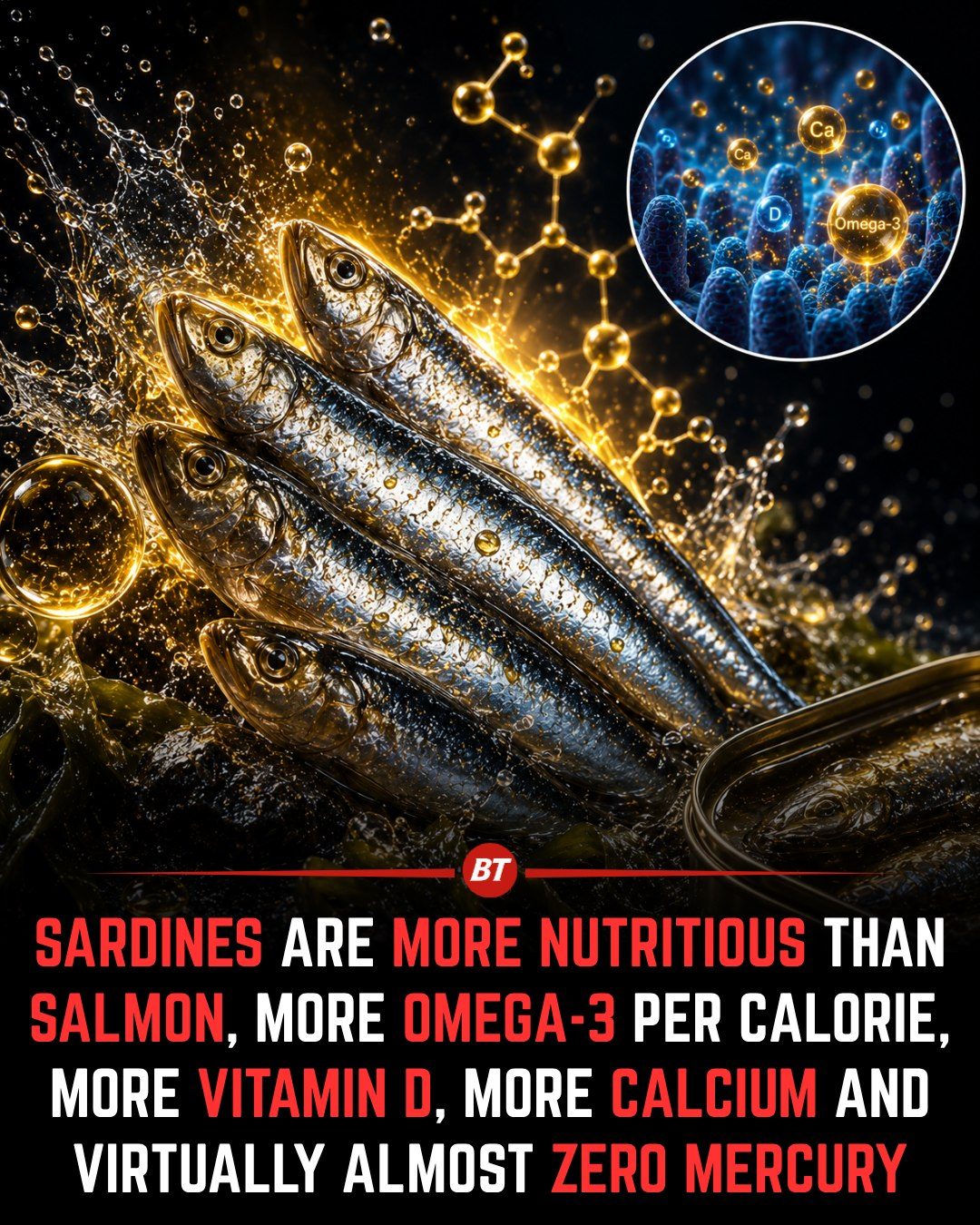
Nutritional Benefits of Sardines
Sardines, often overshadowed by more popular seafood like salmon, are actually one of the most nutrient-dense options available. These small fish are packed with a variety of essential nutrients that make them a standout choice for a healthy diet. Let's dive into the specifics of what makes sardines so beneficial.
Sardines may be small, but their nutritional profile is impressively robust. This includes protein, omega-3 fatty acids, calcium, vitamin D, vitamin B12, selenium, and phosphorus, all packed into a single serving. This combination of nutrients is hard to find in other foods, making sardines a versatile and highly beneficial addition to any diet.
Eating sardines whole, including the soft, edible bones, offers a significant advantage. These bones are a rich source of calcium, which is highly absorbable. This makes sardines an excellent food for maintaining strong bones, especially for those who want to avoid dairy products. The calcium in sardines supports not only bone health but also overall muscle and nerve function.
Additionally, sardines are among the richest natural sources of the heart-healthy omega-3 fatty acids EPA and DHA. These fats have been extensively studied for their role in supporting brain function, cardiovascular health, and healthy inflammation responses. Regular consumption of omega-3s can contribute to overall well-being and healthy aging.
Sardines naturally occupy a lower position in the marine food chain and have relatively short lifespans. This means they accumulate far less mercury than larger predatory fish. For those concerned about mercury intake from seafood, sardines are one of the safest options. This is particularly important for individuals who consume seafood regularly.
Why this matters
The nutritional benefits of sardines extend beyond just their omega-3 content. They are a natural source of essential nutrients and offer several advantages over more popular seafood options. For example, gram for gram, sardines provide more omega-3 fatty acids, vitamin D, and calcium than salmon. This makes them a cost-effective and nutrient-dense choice, especially for those on a budget.
Moreover, sardines are typically far more affordable than salmon, making them an accessible option for many. Despite their lower cost, they deliver an exceptional amount of nutrition in every can. This makes sardines a practical addition to a variety of diets, whether you are a health-conscious individual or simply looking to add more nutrients to your meals.
Main discussion
The Nutrient Profile
The nutrient profile of sardines is what sets them apart from other seafood. They are a rich source of protein, which is essential for building and repairing tissues in the body. Additionally, the omega-3 fatty acids in sardines support brain function, cardiovascular health, and overall inflammation responses.
Vitamin D and calcium are crucial for bone health, and sardines provide both in significant amounts. This makes them an excellent choice for maintaining strong bones and supporting overall muscle and nerve function.
The Role of Omega-3 Fatty Acids
Omega-3 fatty acids, specifically EPA and DHA, are well-known for their health benefits. These fats support brain function, cardiovascular health, and healthy inflammation responses. Regular consumption of omega-3s can contribute to overall well-being and healthy aging.
Sardines are one of the richest natural sources of EPA and DHA, making them a valuable addition to any diet. These fats are essential for maintaining heart health, reducing the risk of cardiovascular diseases, and supporting mental health.
The Benefit of Edible Bones
One of the unique benefits of sardines is that they are often consumed whole, including the soft, edible bones. These bones are a rich source of calcium, which is highly absorbable. This makes sardines an excellent food for maintaining strong bones, especially for those who want to avoid dairy products. The calcium in sardines supports not only bone health but also overall muscle and nerve function.
Low Mercury Levels
Sardines are naturally low on the marine food chain and have relatively short lifespans. This means they accumulate far less mercury than larger predatory fish. For those concerned about mercury intake from seafood, sardines are one of the safest options. This is particularly important for individuals who consume seafood regularly, such as pregnant women and young children.
Practical tips
Incorporating sardines into your diet can be both easy and delicious. One popular and simple way to enjoy sardines is to spread them on whole-grain toast. This provides a nutritious and satisfying snack or light meal. Additionally, you can mix sardines into salads, pasta, or rice bowls for added flavor and nutrition.
Another great option is to mash sardines with lemon juice, herbs, and olive oil for a nutrient-packed spread. This can be used as a dip for vegetables or crackers, or as a topping for bread. Choose varieties packed in extra virgin olive oil or water for the best nutritional profile. This ensures that you are getting the most out of your sardines without any added unhealthy fats.
Important takeaways
The nutritional benefits of sardines are extensive and varied. From their high omega-3 content to their rich calcium and vitamin D profile, sardines offer a unique combination of nutrients that are hard to find in other foods. They are a cost-effective and accessible option for those looking to add more nutrients to their diet. Additionally, their low mercury levels make them a safe choice for regular consumption.
Conclusion
Sardines are a nutritional powerhouse, offering a wide range of essential nutrients in a single serving. From their high omega-3 content to their calcium-rich bones, sardines provide numerous health benefits. Additionally, their affordability and low mercury levels make them an excellent choice for regular consumption. Whether you are looking to support your heart health, bone health, or overall well-being, incorporating sardines into your diet is a smart and delicious choice.
Watch the Reel
Questions readers ask
Are sardines really as nutrient-dense as larger fish like salmon?
Yes, sardines often surpass larger fish in nutrient density. They are rich in protein, omega-3 fatty acids, and a variety of essential minerals, all packed into a small serving.
Why are sardines considered a safer choice for regular seafood consumption?
Sardines are low in mercury compared to larger, predatory fish. This makes them a safer option for regular consumption, as mercury can accumulate in the body over time.
What makes the edible bones in sardines beneficial?
The soft, edible bones in sardines are a significant source of calcium, which is essential for bone health. Consuming these bones can help boost your daily calcium intake, especially for those who may not get enough from their diet.
How do sardines compare to salmon in terms of omega-3 fatty acids?
Both sardines and salmon are excellent sources of omega-3 fatty acids. However, sardines often contain a higher concentration of omega-3s per serving, making them a particularly beneficial choice for those looking to boost their intake.
What are the key benefits of eating sardines regularly?
Regular consumption of sardines can contribute to a healthy diet due to their high protein content, abundance of omega-3 fatty acids, and rich mineral profile, including calcium, vitamin D, and selenium. These nutrients support various aspects of health, from heart function to bone strength.
Are sardines a good source of vitamin D?
Yes, sardines are an excellent source of vitamin D, especially when consumed with their soft, edible bones. Vitamin D is crucial for calcium absorption and overall bone health, making sardines a valuable addition to a balanced diet.
Why should I consider sardines over other types of fish?
Sardines stand out due to their high nutrient density, low mercury levels, and affordability. They offer a broad range of essential nutrients in a small, convenient package, making them a cost-effective and health-conscious choice.
Related deep dives
Similar reads based on topic and creator.




Recent articles
Fresh deep dives from the latest Reels we unpacked.




Comments
Be the first to comment.