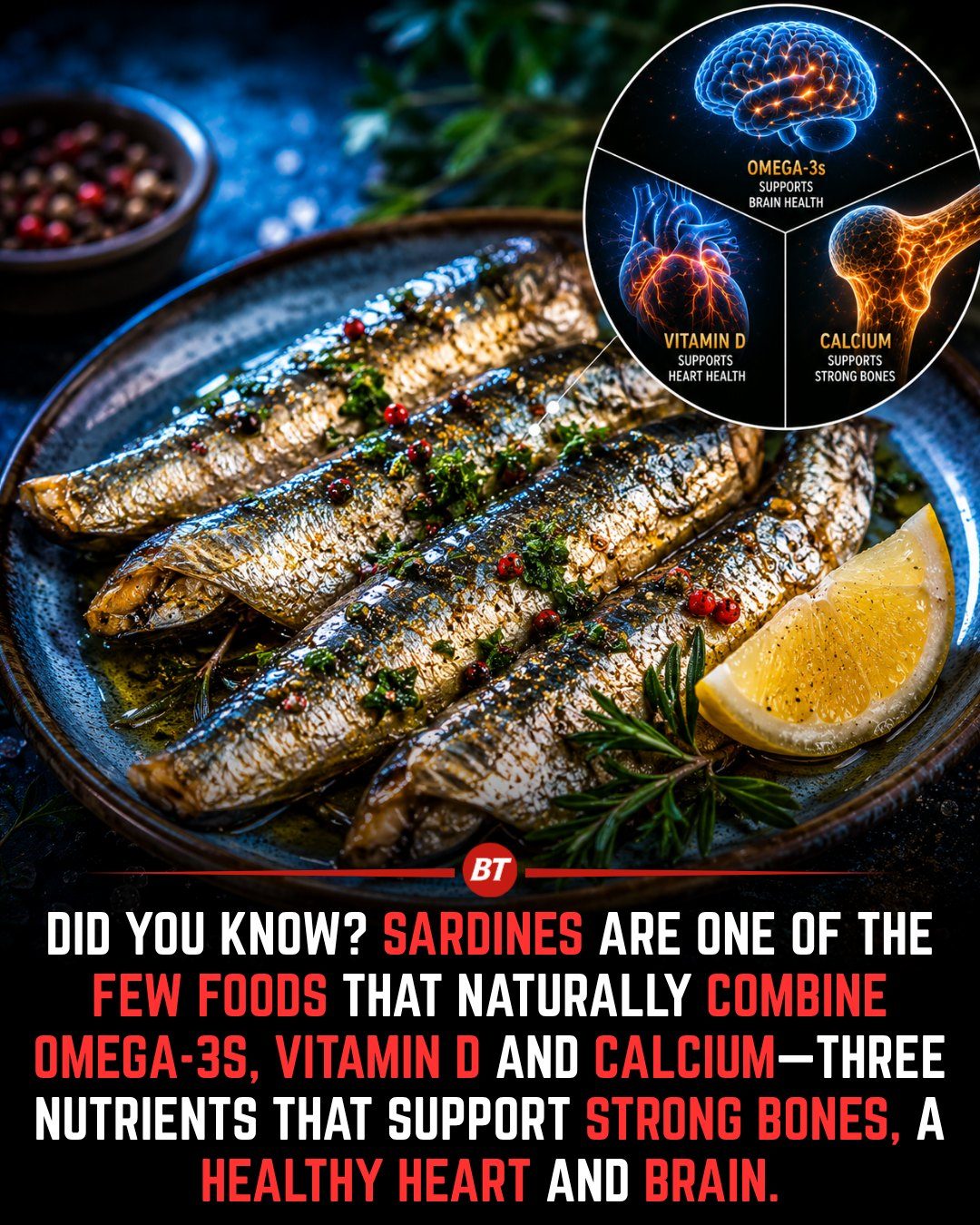
Sardine Nutritional Benefits
Canned sardines are tiny, but they pack a powerful nutritional punch. These small fish are one of the rare foods that naturally provide a unique combination of omega-3 fatty acids, vitamin D, and calcium in a single serving. This trio of nutrients is essential for maintaining strong bones, a healthy heart, and optimal brain function.
Why This Matters
In today's fast-paced world, it's challenging to get enough of these vital nutrients from a single food source. Sardines stand out because they offer a convenient and tasty way to support multiple body systems. Understanding the benefits of sardines can help you make smarter food choices and improve your overall well-being.
Main Discussion
The Power of Omega-3s
Omega-3 fatty acids, specifically EPA (eicosapentaenoic acid) and DHA (docosahexaenoic acid), are crucial for maintaining healthy brain cells. They play a significant role in supporting heart function and helping regulate inflammation in the body. Regular consumption of omega-3s can help reduce the risk of heart disease, lower blood pressure, and improve cognitive function.
Vitamin D: The Sunshine Vitamin
Vitamin D is often referred to as the "sunshine vitamin" because our bodies produce it when exposed to sunlight. However, many people struggle to get enough vitamin D, especially during winter months or if they spend most of their time indoors. Vitamin D is essential for calcium absorption, which is necessary for maintaining strong bones and healthy muscle contractions. Adequate vitamin D levels can help prevent conditions like osteoporosis and support overall immune function.
Calcium: The Building Block
Calcium is essential for building and maintaining strong bones. When you consume canned sardines with the soft, edible bones, you'll get a significant amount of calcium—often 300–400 mg per serving. This is about one-third of an adult's daily requirement. Calcium is also crucial for muscle and nerve function, blood clotting, and hormone secretion. Including sardines in your diet can help support bone health without relying solely on dairy products, making them an excellent option for those with lactose intolerance or who follow a plant-based diet.
Additional Nutritional Benefits
Beyond omega-3s, vitamin D, and calcium, sardines are packed with other essential nutrients. They are rich in vitamin B12, which is vital for nerve function and the production of red blood cells. Selenium, a powerful antioxidant, helps protect cells from damage and supports thyroid function. Phosphorus aids in bone health and energy production, while iodine is essential for thyroid function. Additionally, sardines are an excellent source of high-quality protein, making them an ideal choice for those looking to maintain or build muscle mass.
Low in Mercury
As small, short-lived fish, sardines are much lower in mercury than larger predatory fish like tuna or swordfish. This makes them a safer choice, especially for pregnant women, children, and those concerned about mercury contamination in seafood.
Practical Tips
When selecting canned sardines, opt for wild-caught varieties packed in extra-virgin olive oil or water. This ensures you're getting the best quality fish and reducing the intake of added preservatives or unhealthy oils. Here are some creative ways to incorporate sardines into your meals:
- Whole-Grain Toast: Mash sardines with avocado and lemon for a nutrient-packed spread on whole-grain toast.
- Salads: Toss canned sardines into your favorite salad for an added protein and nutrient boost.
- Pasta Dishes: Mix sardines with pasta, olives, and tomatoes for a quick and flavorful meal.
- Stuffed Vegetables: Use sardines as a filling for stuffed peppers, tomatoes, or zucchini boats.
Important Takeaways
- Sardines are one of the few foods that naturally combine omega-3 fatty acids, vitamin D, and calcium.
- These nutrients support strong bones, a healthy heart, and optimal brain function.
- Sardines are a convenient and tasty way to get a wide range of essential nutrients.
- Opt for wild-caught sardines packed in extra-virgin olive oil or water for the best quality and flavor.
- Incorporate sardines into your meals through various creative recipes and enjoy their numerous health benefits.
Conclusion
Canned sardines offer an impressive nutritional profile, making them a valuable addition to any diet. By including sardines in your meals, you can support your overall health and well-being. Their unique combination of omega-3s, vitamin D, and calcium, along with a host of other essential nutrients, makes sardines a powerhouse of nutrition in a small, convenient package.
Watch the Reel
Questions readers ask
What makes sardines a unique source of nutrients?
Sardines are unique because they naturally combine omega-3 fatty acids, vitamin D, and calcium in a single serving. This combination is rare in other food sources, making sardines a distinctive choice for supporting overall health. Additionally, they are one of the few food sources that provide all three of these nutrients in a single food.
How do sardines support heart health?
Sardines support heart health through their high content of omega-3 fatty acids. These healthy fats help reduce inflammation, lower triglycerides, and decrease the risk of heart disease. Regularly consuming sardines can be a heart healthy foods choice as part of a balanced diet.
Can sardines help improve bone strength?
Yes, sardines can help improve bone strength due to their rich calcium and vitamin D content. Calcium is essential for bone structure, while vitamin D aids in calcium absorption. Together, these nutrients support strong, healthy bones.
Are canned sardines a good source of vitamin D?
Canned sardines are an excellent source of vitamin D, particularly for those who may not get enough sunlight or consume other vitamin D-rich foods. Here, they help the body absorb calcium which is crucial for maintaining strong bones and optimal brain function.
How do sardines benefit brain function?
The omega-3 fatty acids in sardines play a significant role in brain health. These healthy fats support brain function, reduce inflammation, and may help lower the risk of cognitive decline. Including sardines in your diet can be a tasty way to support brain health.
What are the advantages of consuming canned sardines over other fish?
In many cases, canned sardines are a more affordable and accessible option compared to other nutritious canned fish. Plus, they offer a long shelf life, making them a convenient choice for maintaining a balanced diet. They also provide a unique blend of omega-3s, vitamin D, and calcium, which are not always found together in other fish options.
Related deep dives
Similar reads based on topic and creator.




Recent articles
Fresh deep dives from the latest Reels we unpacked.




Comments
Be the first to comment.