Health Benefits of Sardines
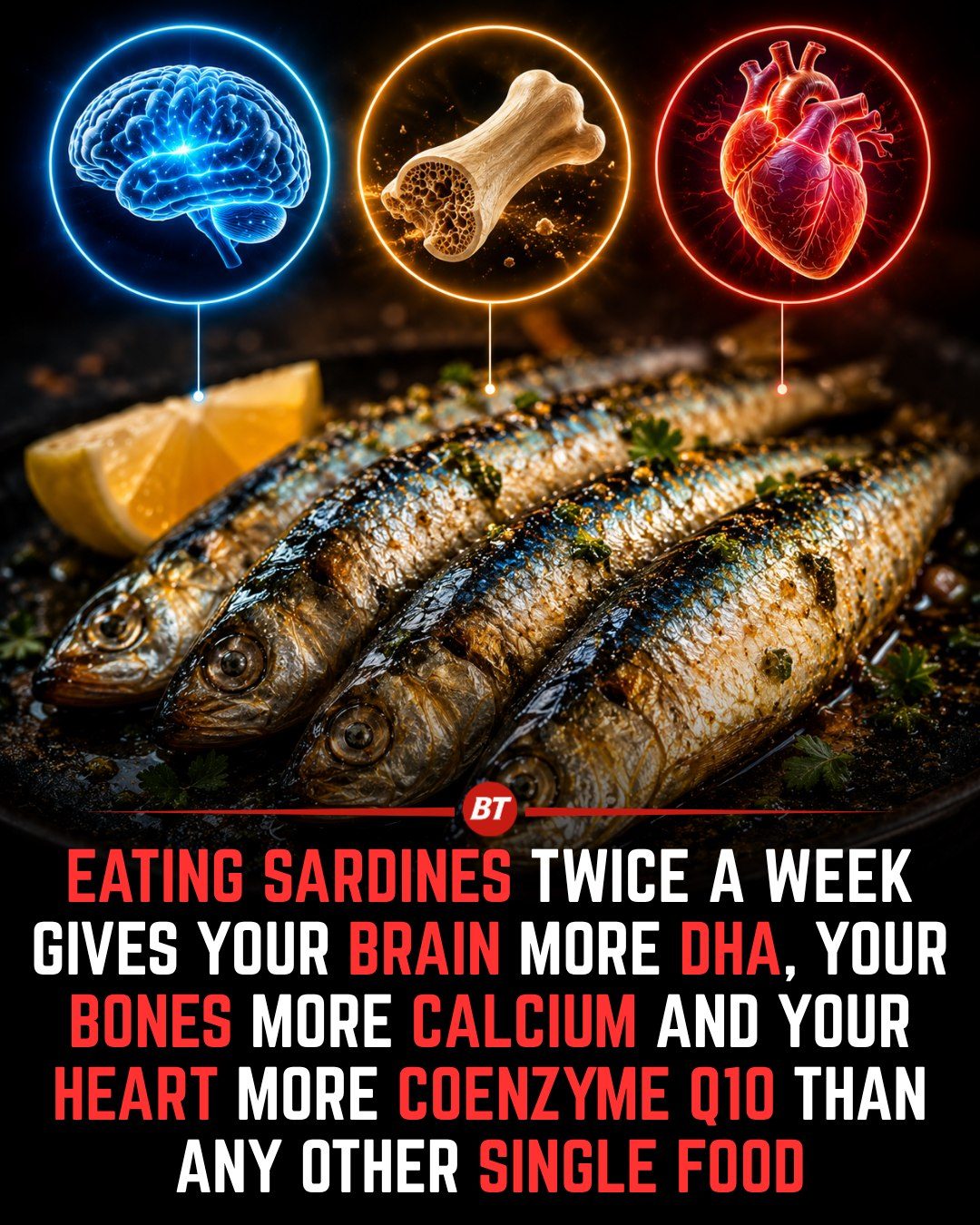
Sardines are tiny powerhouses of nutrition, offering a wealth of health benefits in a small package. These nutrient-rich fish are not only delicious but also provide essential nutrients that support brain, bone, and heart health.
Context / Why This Matters
Incorporating sardines into your diet can have significant benefits for your overall health. The importance of a balanced diet rich in essential nutrients cannot be overstated. DHA, calcium, and Coenzyme Q10 are just a few of the nutrients found in sardines that play crucial roles in maintaining optimal health.
Main discussion
Nutritional Profile
Sardines are packed with a variety of nutrients that contribute to overall health. They are rich in DHA, an omega-3 fatty acid, which is vital for brain health. DHA supports healthy brain cell membranes, memory, and overall cognitive function. Additionally, it is beneficial for eye health and healthy aging. Researchers have extensively studied DHA for its role in maintaining these functions, making sardines an excellent choice for supporting brain health.
Bone Health
Sardines are an exceptional source of calcium, especially because they are typically eaten with their soft, edible bones. This makes them a highly absorbable source of calcium, which is crucial for maintaining strong bones and teeth. Calcium is essential for bone health and helps prevent conditions like osteoporosis.
Heart Health
Sardines naturally contain Coenzyme Q10 (CoQ10), a compound involved in cellular energy production. CoQ10 is especially concentrated in energy-demanding organs like the heart, making it vital for cardiovascular health. As we age, our body's production of CoQ10 decreases. Including sardines in your diet can help support healthy mitochondrial function and cardiovascular wellness.
Versatility
Another advantage of sardines is their versatility in the kitchen. They can be enjoyed in various ways, including on whole-grain toast, mixed into salads, tossed with pasta, or served with lemon and olive oil for a simple, nutritious meal. Their small size and short lifespan mean they accumulate far less mercury than many larger fish, making them a safer and more sustainable choice for regular consumption.
Additional Nutrients
Beyond DHA, calcium, and CoQ10, sardines offer a range of other nutrients. They are a good source of vitamin D, which is essential for calcium absorption and bone health. Vitamin B12, found in sardines, supports the nervous system and helps prevent anemia. Additionally, sardines provide selenium, an antioxidant that supports immune function and thyroid health.
Practical Tips
Incorporating Sardines into Your Diet
Sardines are a versatile ingredient that can be easily incorporated into various meals. Here are some practical tips for adding sardines to your diet:
- Breakfast: Spread sardines on whole-grain toast for a protein-packed breakfast.
- Salads: Mix sardines into your favorite salads for an extra boost of omega-3s and protein.
- Pasta: Toss sardines with pasta for a quick and nutritious meal.
- Simple Meals: Serve sardines with lemon and olive oil for a simple, nutritious meal.
Choosing the Right Sardines
When selecting sardines, opt for canned sardines packed in water or olive oil to avoid added sodium and preservatives. Look for brands that use sustainable fishing practices to support environmental health.
Cooking Tips
Sardines can be enjoyed both raw and cooked. They can be grilled, baked, or pan-fried, each adding a unique flavor to your meal. However, since they are typically eaten with their bones, ensure the bones are soft to avoid any discomfort.
Important Takeaways
The benefits of including sardines in your diet are numerous. These small fish provide a concentrated source of essential nutrients that support brain, bone, and heart health. DHA, calcium, and Coenzyme Q10 are just a few of the nutrients found in sardines that play crucial roles in maintaining optimal health.
Conclusion
Incorporating sardines into your diet can be a simple yet powerful way to boost your overall health. Whether you enjoy them on toast, in salads, or as a standalone dish, sardines offer a wealth of health benefits in a compact, nutrient-dense package. By including sardines in your regular meals, you can support brain health, bone strength, and heart function, all while enjoying a delicious and versatile food.
Watch the Reel
Questions readers ask
What are the primary health benefits of including sardines in my diet?
Sardines offer numerous health benefits, particularly in supporting brain, bone, and heart health. They are rich in DHA, which supports brain function, calcium, which is essential for bone strength, and Coenzyme Q10, which aids in heart health. Incorporating sardines into your meals can help ensure you get these vital nutrients.
How does the DHA content in sardines support brain health?
The DHA found in sardines is a type of omega-3 fatty acid crucial for maintaining brain function. It helps in the development and maintenance of brain cells, supports cognitive function, and may reduce the risk of age-related cognitive decline. Regular consumption of sardines can contribute to better overall brain health.
Why are sardines considered beneficial for bone health?
Sardines are an excellent source of calcium, a mineral essential for maintaining strong bones and teeth. Additionally, the vitamin D content in sardines aids in calcium absorption, further enhancing bone health. Eating sardines can be a tasty way to support your skeletal system.
What role does Coenzyme Q10 in sardines play in heart health?
Coenzyme Q10 (CoQ10) in sardines is a powerful antioxidant that supports heart health by aiding in energy production within cells and protecting cells from damage. It also helps maintain healthy blood pressure levels and supports overall cardiovascular function, making sardines a heart-healthy choice.
Can sardines help reduce the risk of heart disease?
Yes, sardines can help reduce the risk of heart disease due to their rich content of omega-3 fatty acids, particularly DHA. These fatty acids have been shown to lower triglycerides, reduce inflammation, and improve overall heart health. Additionally, the CoQ10 in sardines supports heart function and blood pressure regulation, providing a comprehensive benefit for cardiovascular health.
What other vitamins and minerals can be found in sardines?
In addition to DHA, calcium, and Coenzyme Q10, sardines are packed with other essential vitamins and minerals. They are a good source of vitamin B12, which supports the nervous system and blood formation, as well as vitamin D, which aids in calcium absorption and immune function. Sardines also provide selenium, a mineral known for its antioxidant properties, and phosphorus, which is important for bone health and energy production.
Related deep dives
Similar reads based on topic and creator.




Recent articles
Fresh deep dives from the latest Reels we unpacked.




Comments
Be the first to comment.