Sardine Benefits: A Nutritional Powerhouse for Brain, Heart, and Bones
Canned sardines are more than just a convenient seafood option. Twice-weekly consumption of these small, nutrient-dense fish can significantly boost your intake of key nutrients essential for brain health, heart function, and bone strength. Sardines stand out as one of the most affordable and nutrient-dense fish available, offering a host of benefits that make them a valuable addition to any diet.
Why eat sardines
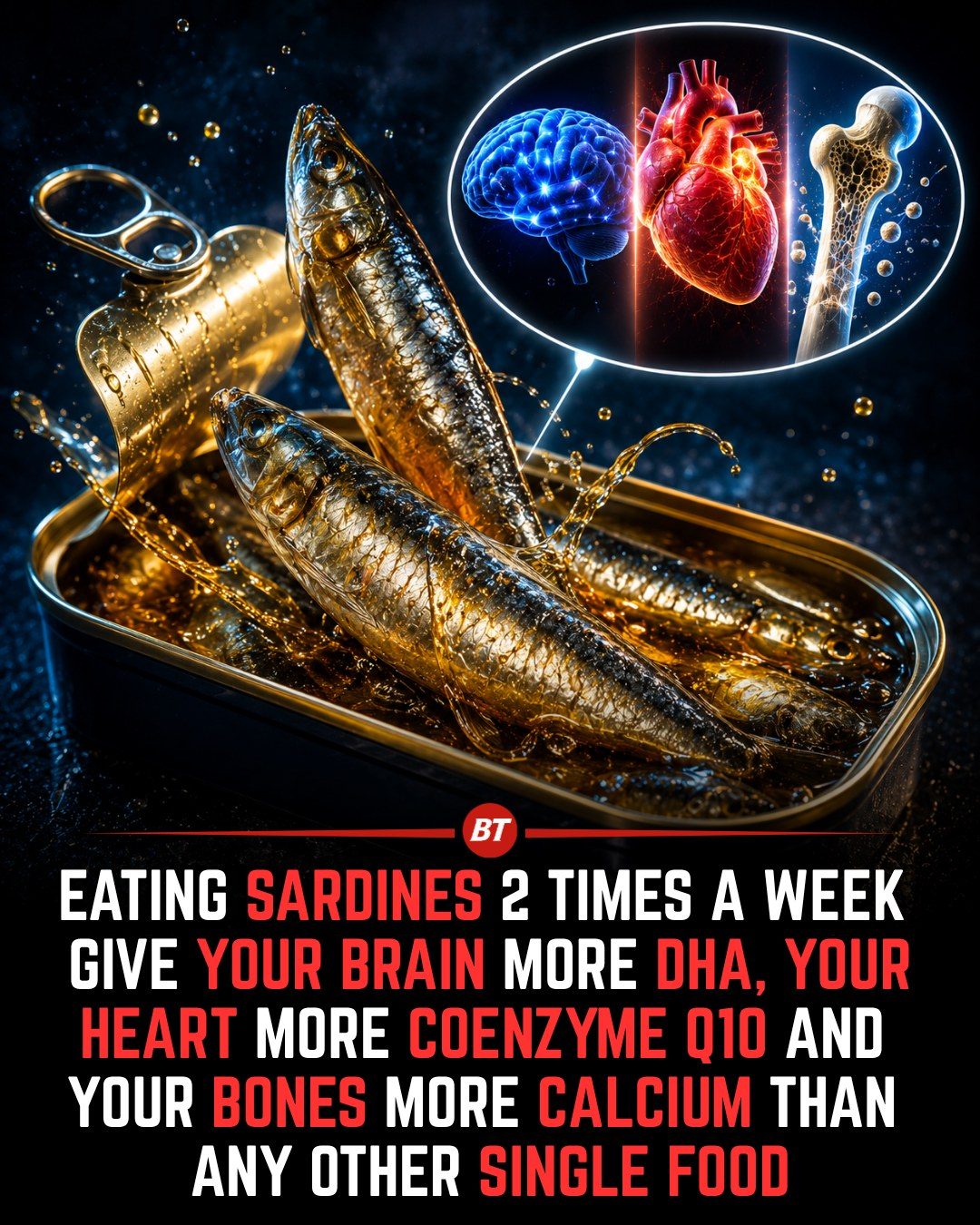
With their impressive nutrient profile, sardines can deliver more brain-boosting DHA, heart-supporting Coenzyme Q10, and bone-strengthening calcium than any other single food. This unique combination makes sardines a standout choice for those looking to optimize their nutritional intake without breaking the bank.
DHA for Brain Health
Sardines are rich in DHA, a long-chain omega-3 fatty acid that plays a crucial role in brain health. DHA is a major structural component of brain cell membranes, helping to maintain their fluidity. This fluidity is essential for proper communication between neurons, which in turn supports memory, learning, and overall cognitive function. Because the body produces very little DHA on its own, it's vital to obtain it through dietary sources. Sardines are one of the most plentiful natural sources of DHA, making them an excellent choice for supporting brain health.
Coenzyme Q10 for Heart Health
In addition to their brain-boosting benefits, sardines are a natural source of Coenzyme Q10 (CoQ10), a compound found in the mitochondria, the powerhouses of our cells. The heart, with its high energy demands, particularly benefits from CoQ10, which supports normal cardiac function. While sardines may not be the highest source of CoQ10 overall, they provide meaningful amounts alongside other heart-supporting nutrients like omega-3 fatty acids, selenium, and vitamin B12. This combination makes sardines a heart-healthy addition to any diet.
Calcium for Bone Health
Sardines are typically consumed with their soft, edible bones, making them an excellent source of highly absorbable calcium. This calcium, combined with phosphorus and vitamin D found naturally in oily fish, supports strong bones and teeth. It also contributes to normal muscle and nerve function, making sardines a beneficial choice for overall bone health.
Minimal Mercury
Unlike larger, predatory fish, sardines are small, short-lived, and lower on the food chain, so they tend to accumulate less mercury. This makes them a smart seafood choice for regular consumption, offering a rich supply of essential nutrients without the concern of high mercury levels.
Incorporating Sardines into Your Diet
With their versatility and affordability, sardines can be easily incorporated into a variety of meals. Here are some practical tips to help you enjoy their nutritional benefits:
Simple Preparations
Enjoy sardines on whole-grain toast for a quick and nutritious breakfast or snack. You can also add them to salads for an extra protein and omega-3 boost. Grill them and pair them with roasted vegetables for a simple, satisfying meal, or toss them into pasta dishes for added flavor and nutrition.
Pairing with Healthy Ingredients
For a heart-healthy meal, pair sardines with avocado, which is rich in monounsaturated fats. This combination can help lower bad cholesterol levels and support overall heart health. Additionally, sardines can be paired with leafy greens like spinach or kale, which are high in vitamin K, further promoting bone health.
Canned vs. Fresh
Canned sardines are a convenient and affordable option, but fresh sardines are also widely available and can be grilled, baked, or pan-fried. Fresh sardines may offer a wider range of preparation methods and can be a delicious addition to a variety of dishes. The choice between canned and fresh depends on your personal preference and availability.
Important Takeaways
When considering the regular inclusion of sardines in your diet, it's important to recognize their unique nutritional benefits:
- Nutrient Density: Sardines offer a rich supply of essential nutrients, including DHA, CoQ10, and calcium, making them a valuable addition to any diet.
- Versatility: With their mild flavor and affordable price, sardines can be easily incorporated into a variety of meals, from sandwiches to salads.
- Health Benefits: Regular consumption of sardines supports brain health, heart function, and bone strength, making them a smart choice for overall wellness.
Conclusion
Canned sardines are a nutritional powerhouse, providing essential nutrients that support brain health, heart function, and bone strength. With their affordability and versatility, sardines are an excellent addition to any diet. Whether you enjoy them on toast, in salads, or as part of a hearty meal, incorporating sardines into your weekly routine can have a profound impact on your overall health.
Watch the Reel
Questions readers ask
Why should I consider adding sardines to my weekly diet?
Sardines are an excellent choice for optimizing your nutritional intake due to their high content of omega-3 fatty acids, Coenzyme Q10, and calcium, which support brain, heart, and bone health. Consuming sardines twice a week can significantly boost your intake of these key nutrients.
What are the brain health benefits of eating sardines?
Sardines are rich in DHA, a type of omega-3 fatty acid that is crucial for brain function and development. Regular consumption of sardines can help improve cognitive function, memory and even support mental health.
How do sardines support heart health?
Sardines provide Coenzyme Q10, which helps in maintaining heart function and can support cardiovascular health. Additionally, the omega-3 fatty acids in sardines can help lower triglyceride levels, reduce inflammation, and decrease the risk of heart disease.
Can sardines help improve bone health?
Yes, sardines are an excellent source of calcium, which is essential for maintaining strong bones and teeth. Eating sardines, especially with the bones, can help improve calcium absorption and bone density.
Are canned sardines as beneficial as fresh sardines?
Yes, canned sardines retain most of their nutritional benefits, making them a convenient and cost-effective option. They are packed with omega-3 fatty acids, Coenzyme Q10, and calcium, similar to fresh sardines.
What is the recommended frequency for consuming sardines to gain their health benefits?
To gain the most benefits, aim to consume sardines twice a week. This frequency allows you to boost your intake of essential nutrients that support brain, heart, and bone health.
Related deep dives
Similar reads based on topic and creator.




Recent articles
Fresh deep dives from the latest Reels we unpacked.




Comments
Be the first to comment.