The Fault That Stops Time
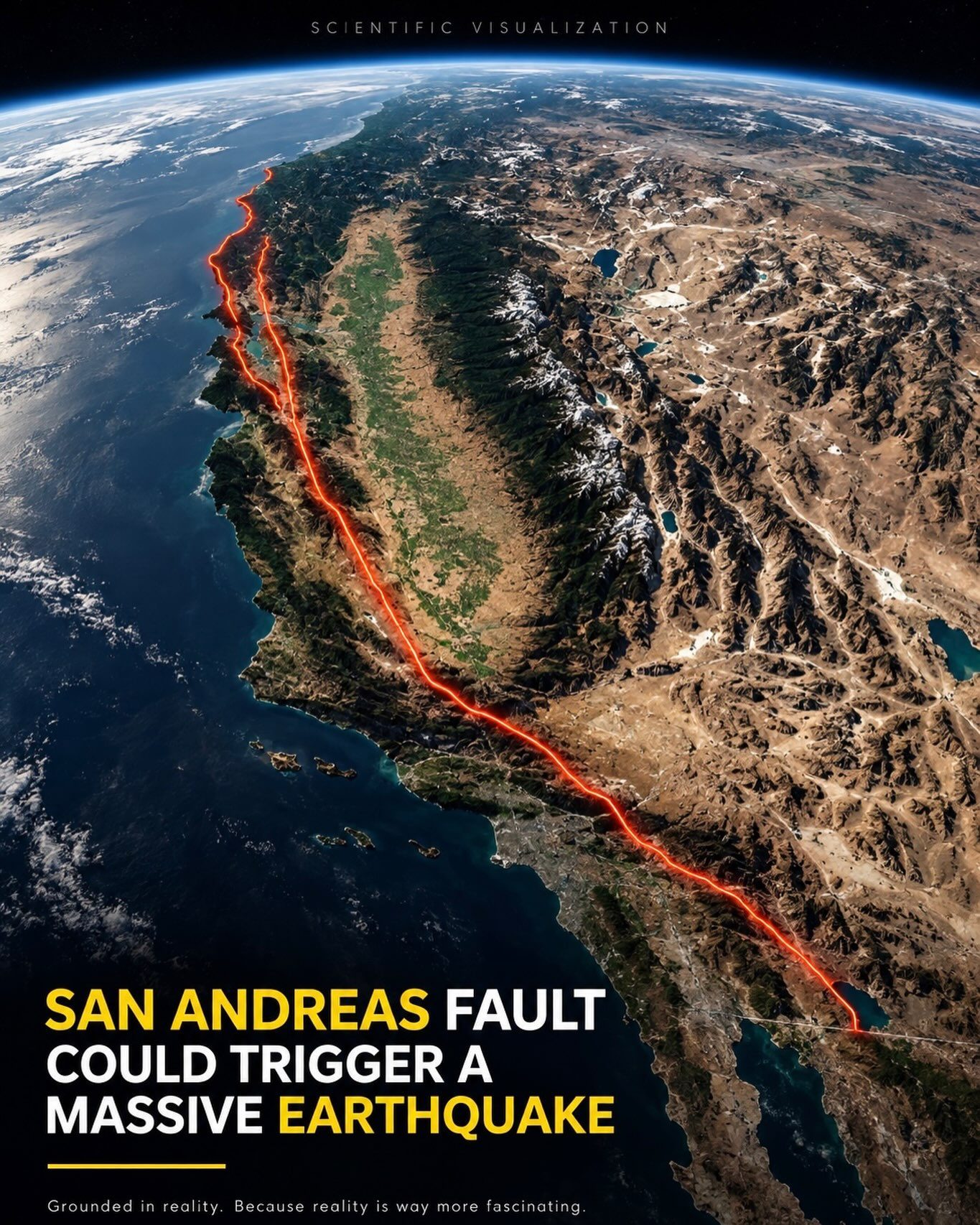
California's San Andreas Fault. Stretching 800 miles from the Gulf of California and up the length of California, earth's crust here doesn't slide past each other gently. Instead, they build stress, jamming together at the fault. The longer this stuck period, the more energy builds. When it finally snaps, it releases that energy- commonly but not solely as an earthquake. The fault is a natural infrastructure of sorts. Consider the Los Angeles Basin — it exists because of the San Andreas Fault, It is a natural basin, high-risk zone, all part of the fault network.
Risk Assessment: The Role of Probability
To study earthquakes, scientists rely on probability. The United States Geological Survey (USGS) has estimated a 70% chance of a 6.7 magnitude earthquake striking the Bay Area within the next 30 years. For the Southern San Andreas Fault, the probability of a 6.7 or larger magnitude quake is estimated at 46% in the next 30 years. The USGS does not — and cannot — predict when and where the next Big One will happen. The probabilities make the San Andreas Fault a geological question. Not a linear human question. We cannot answer the big one. It is a geological wonder. We cannot do this legally in our architectures. We cannot address the geological question.
Living with the Risk
Given the risk, what can be done? Lots. The USGS recommends several steps for those living in earthquake-prone areas. Identify potential hazards in the home. Secure heavy furniture to walls. Reinforce older homes to withstand an earthquake. Secure utilities like water heaters. Educating families about earthquake safety. Prepare an emergency kit. Develop a family emergency plan. First and foremost: Live with the possibility. The fault is a part of our lives. The San Andreas Fault is a part of our world.
Watch the Reel
Recent articles
Fresh deep dives from the latest Reels we unpacked.


Comments
Be the first to comment.