Salmon and Brain Health
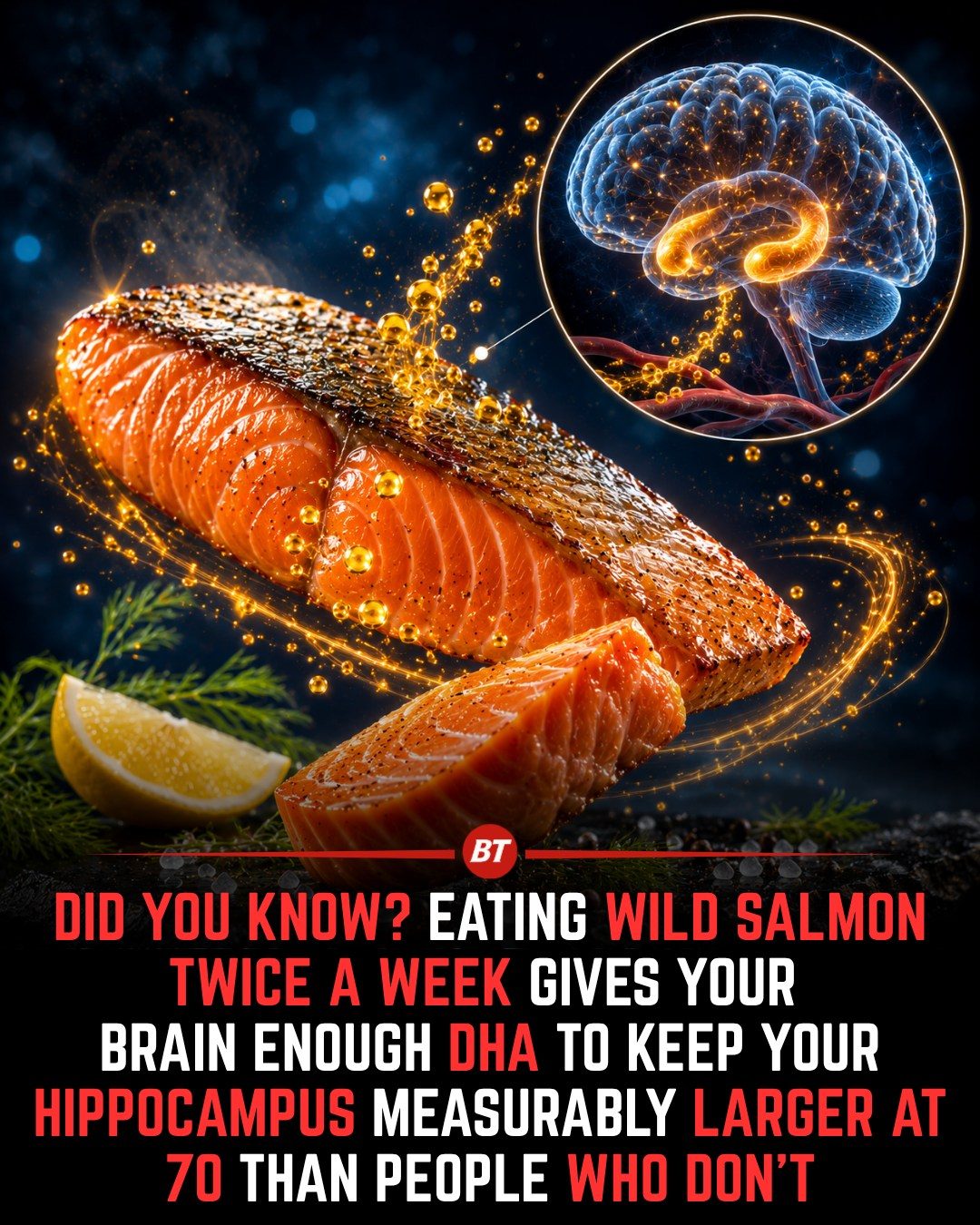
Salmon is a powerhouse of nutrition, and one of the most impressive benefits is its impact on brain health. This superfood provides an abundant source of DHA (docosahexaenoic acid), an omega-3 fat that plays a crucial role in maintaining cognitive function and supporting overall brain health.
Why this matters
Incorporating salmon into your weekly diet can have significant benefits for your brain. The hippocampus, a region critical for memory formation and one of the first areas affected by age-related cognitive decline, shows measurable improvement in size and function with consistent salmon consumption. This makes salmon a key player in supporting memory, learning, and cognitive function throughout life.
Main discussion
The role of DHA in brain health
DHA is a type of omega-3 fatty acid that is essential for brain health. It makes up nearly one-third of the fat in your brain and is a major structural component of brain cell membranes. DHA helps maintain the flexibility of these membranes, which is crucial for communication between neurons and overall brain function. This flexibility supports essential processes like learning, memory, and cognitive function.
Salmon and the hippocampus
The hippocampus is a vital part of the brain responsible for forming new memories and is particularly vulnerable to age-related cognitive decline. Studies have shown that people who consume more DHA through fatty fish like salmon tend to have greater hippocampal volume. This means their brains are better equipped to handle memory formation and cognitive tasks, even as they age.
Scientific evidence
Observational studies have consistently linked higher omega-3 intake and higher blood DHA levels to better cognitive performance and greater hippocampal volume. A 2023 review published in Nutrients concluded that regular consumption of fatty fish, including salmon, is associated with better cognitive health and a lower risk of age-related cognitive decline. DHA supports the brain through various mechanisms, including reducing inflammation, maintaining healthy nerve cell membranes, and promoting efficient communication between neurons.
Additional nutritional benefits
Beyond DHA, salmon offers a host of other nutrients that support overall health. It is an excellent source of high-quality protein, vitamin D, selenium, vitamin B12, and astaxanthin. These nutrients work together to support various aspects of health, including brain function, immune system strength, and healthy aging.
-Vitamin D is essential for bone health and immune function. -Vitamin B12 plays a crucial role in supporting the nervous system and forming red blood cells. -Selenium acts as a powerful antioxidant and supports thyroid function. -Astaxanthin is a potent antioxidant that helps reduce inflammation and supports heart health.
When combined, these nutrients make salmon one of the most nutrient-rich foods available, with broad benefits for both brain and overall health.
Practical tips
Incorporating salmon into your diet
To reap the benefits of salmon for brain health, aim to include it in your diet at least twice a week. This frequency provides a consistent supply of DHA and other essential nutrients. Here are some practical tips to make the most of your salmon intake:
Choose wild salmon
- When possible, opt for wild salmon over farmed. Wild salmon tends to have a higher concentration of omega-3 fats and lower levels of contaminants.
- Wild salmon also has a more robust flavor and firmer texture, making it a delicious addition to various dishes.
Pair with brain-boosting foods
- Combine salmon with leafy greens, sweet potatoes, and other foods rich in antioxidants, fiber, and vitamins. This combination supports both brain and heart health.
- Leafy greens like spinach and kale are high in antioxidants and vitamin K, which support brain function.
- Sweet potatoes provide a good source of fiber, vitamin A, and other essential nutrients.
Explore different cooking methods
- Grilling, baking, and poaching are all excellent methods for preparing salmon. These methods help retain the natural flavors and nutrients of the fish.
- Experiment with different seasonings and herbs to keep your meals interesting and flavorful. Lemon, dill, and garlic are classic choices that pair well with salmon.
Experiment with recipes
- Try out different recipes to keep your salmon meals exciting. Whether it's a classic salmon fillet, a salmon salad, or a hearty chowder, there are countless ways to enjoy this versatile fish.
- Salads, sandwiches, and wraps are great options for incorporating salmon into a quick, nutritious meal.
Important takeaways
- Salmon is a rich natural source of DHA, an omega-3 fat crucial for brain health.
- Eating salmon twice a week can help keep the hippocampus measurably larger, even at 70, compared to those who don't consume salmon regularly.
- DHA supports brain function by maintaining the flexibility of brain cell membranes, supporting neuron communication, and playing a role in learning, memory, and cognitive function.
- The hippocampus, a brain region responsible for new memory formation, benefits from adequate DHA intake.
- Regular salmon consumption is linked to better cognitive health, a lower risk of age-related cognitive decline, and a range of other health benefits.
- Salmon provides high-quality protein, vitamin D, selenium, vitamin B12, and astaxanthin, making it a powerful food for supporting brain and overall health.
Conclusion
Incorporating salmon into your diet is a straightforward and delicious way to support brain health. With its rich supply of DHA and other essential nutrients, salmon plays a vital role in maintaining cognitive function, memory, and overall brain health. By aiming to eat salmon or another oily fish twice a week and pairing it with other brain-boosting foods, you can enjoy a range of benefits for both your brain and body.
Watch the Reel
Questions readers ask
How much salmon should I eat to support my brain health?
To support brain health, aim to eat salmon twice a week. This frequency has been linked to improvements in memory and learning capabilities, as well as the maintenance of the hippocampus, a crucial region for memory.
What makes salmon beneficial for the hippocampus?
Salmon is rich in DHA, an omega-3 fatty acid that supports the health and function of the hippocampus. This brain region is vital for memory formation and is one of the first areas affected by age-related cognitive decline.
Can eating salmon help improve cognitive function?
Yes, the DHA in salmon is crucial for maintaining overall cognitive function, including processes like thinking, reasoning, and problem-solving. Regular consumption of salmon can help support these vital brain functions.
I'm concerned about my aging brain. How can salmon help?
Salmon can play a significant role in supporting an aging brain. Its high DHA content helps maintain the size and function of the hippocampus, which is often one of the first areas to decline with age. This can help slow down age-related cognitive decline.
What are the benefits of DHA for brain health?
DHA, found abundantly in salmon, is essential for brain health. It supports cognitive function, maintains the hippocampus, and aids in the formation and consolidation of memories. Regular intake of DHA can contribute to better overall brain function.
How does salmon compare to other sources of omega-3 for brain health?
Salmon is one of the richest sources of DHA, a specific type of omega-3 fatty acid that is particularly beneficial for brain health. While other sources like walnuts and flaxseeds contain omega-3s, they provide a different form (ALA) that the body must convert to DHA, making salmon a more direct and efficient choice for brain support.
Can eating salmon improve my memory?
Regular consumption of salmon, specifically twice a week, has been linked to improvements in memory. The DHA in salmon supports the health and function of the hippocampus, a region critical for memory formation and consolidation.
Related deep dives
Similar reads based on topic and creator.




Recent articles
Fresh deep dives from the latest Reels we unpacked.




Comments
Be the first to comment.