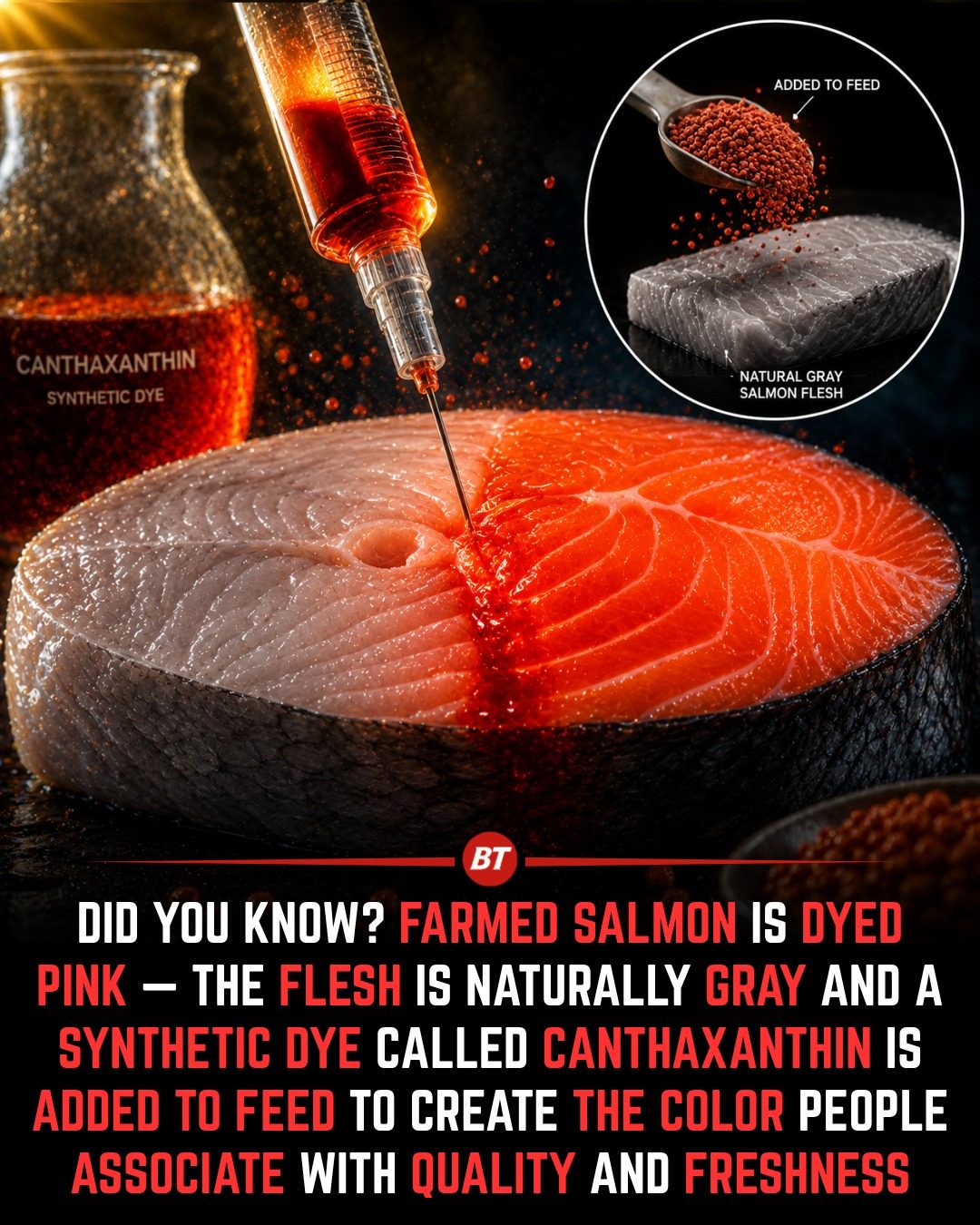
Salmon Dyeing Process
Farmed salmon is often associated with a vibrant pink color, but did you know that this color isn't natural? The rich pink hue comes from the fish's diet, specifically from the addition of certain pigments to their feed. The process involves using carotenoids, such as astaxanthin and canthaxanthin, to achieve the desired color. This practice ensures that farmed salmon meets consumer expectations for color, which is often linked to quality and freshness.
Why This Matters
Understanding the dyeing process of farmed salmon is crucial for consumers who value transparency in their food choices. Knowing that the pink color is a result of specific dietary additions can help consumers make informed decisions. Moreover, the use of these carotenoids has implications for the health benefits and nutritional value of salmon, which are important considerations for health-conscious individuals.
The Dyeing Process
The dyeing process involves adding specific pigments to the feed of farmed salmon. These pigments, primarily astaxanthin and canthaxanthin, are absorbed by the fish's muscles, giving the flesh its characteristic pink color. This practice is common in aquaculture, where fish do not have access to the same natural food sources as wild salmon.
Natural vs. Synthetic Pigments
One of the most common pigments used in salmon feed is astaxanthin, a powerful antioxidant carotenoid. Wild salmon naturally consume krill, shrimp, and other tiny crustaceans rich in astaxanthin, which gives them their vibrant pink-orange flesh. Farmed salmon, on the other hand, are fed a diet supplemented with astaxanthin and sometimes canthaxanthin to achieve a similar color. Both natural and synthetic forms of astaxanthin are used, and regulatory agencies have determined that they are safe at permitted levels.
The Role of Carotenoids
Carotenoids play a crucial role in the coloration of salmon flesh. Astaxanthin, in particular, is not only responsible for the pink color but also has health benefits. It is an antioxidant that has been studied for supporting eye, skin, and cardiovascular health. Canthaxanthin, another carotenoid, is also used to enhance the color of salmon flesh. Both of these pigments are absorbed into the fish's muscles, giving the flesh the familiar pink hue that consumers expect.
The Color Chart
Salmon farmers often use a color reference chart, known as the SalmoFan™, to select the shade of pink they want their fish to achieve. This chart ranges from pale peach to deep reddish-orange, allowing farmers to ensure consistency in the color of their products. The use of this chart helps farmers meet consumer expectations and maintain the quality of their farmed salmon.
Practical Tips
When purchasing farmed salmon, it's important to be aware of the dyeing process and its implications. Here are some practical tips to consider:
Look for Natural Sources
Opting for wild-caught salmon can ensure that the color comes naturally from the fish's diet. Wild salmon consume krill and shrimp rich in astaxanthin, giving them their vibrant color without the need for artificial additives.
Check Labels
When buying farmed salmon, look for labels that indicate the use of natural astaxanthin in the feed. This can provide some assurance that the color is derived from a natural source.
Understand Color Variability
It's important to recognize that the color of salmon can vary based on its diet. Farmed salmon may have a lighter or different shade of pink compared to wild salmon, which can affect your perception of its quality and freshness. Understanding the painting process helps manage these expectations.
Important Takeaways
The dyeing process of farmed salmon involves adding specific pigments to the feed to achieve the desired pink color. This practice ensures that farmed salmon meets consumer expectations for color, which is often linked to quality and freshness. Understanding the use of astaxanthin, canthaxanthin, and the SalmoFan™ chart can help consumers make informed decisions about their salmon purchases.
Conclusion
Farmed salmon's vibrant pink color is a result of specific dietary additions, primarily astaxanthin and canthaxanthin. These carotenoids are absorbed by the fish's muscles, giving the flesh its characteristic hue. By understanding the dyeing process, consumers can make more informed decisions about their salmon purchases and appreciate the nuances of farmed versus wild salmon.
Watch the Reel
Questions readers ask
What gives salmon its pink color?
The pink color in salmon comes from carotenoids, such as astaxanthin and canthaxanthin, which are naturally present in the diet of wild salmon. Farmed salmon are often fed these pigments to achieve a similar hue.
How does the coloring process affect farmed salmon?
The addition of these additives to the feed of farmed salmon ensures that the flesh maintains a vibrant pink color, which is often associated with quality and freshness. This practice is standard in the industry to meet consumer expectations.
Is the pink color in farmed salmon natural?
Farmed salmon's pink color is not entirely natural, as it comes from added pigments in their feed. These pigments, such as astaxanthin, mimic the natural color found in wild salmon.
What are the health benefits of astaxanthin in salmon?
Astaxanthin, a type of carotenoid, offers numerous health benefits, including antioxidant properties, potential heart health support, and anti-inflammatory effects. It is found in both farmed and wild salmon, though the concentration can vary.
Are there any differences in the pink color between farmed and wild salmon?
The pink color in wild salmon typically comes from their natural diet rich in shrimp and other crustaceans. Farmed salmon, on the other hand, receive added pigments in their feed to achieve a similar pink hue.
What role do carotenoids play in salmon's color?
Carotenoids, particularly astaxanthin and canthaxanthin, are responsible for the pink color in salmon. These pigments are added to the feed of farmed salmon to ensure a consistent, appealing color that mimics that of wild salmon.
Why do consumers need to know about the salmon dyeing process?
Understanding the process of adding pigments to farmed salmon helps consumers make informed choices. Knowing that the vibrant pink color is achieved through diet can provide transparency in food choices and is beneficial for health-conscious consumers.
Related deep dives
Similar reads based on topic and creator.



Recent articles
Fresh deep dives from the latest Reels we unpacked.




Comments
Be the first to comment.