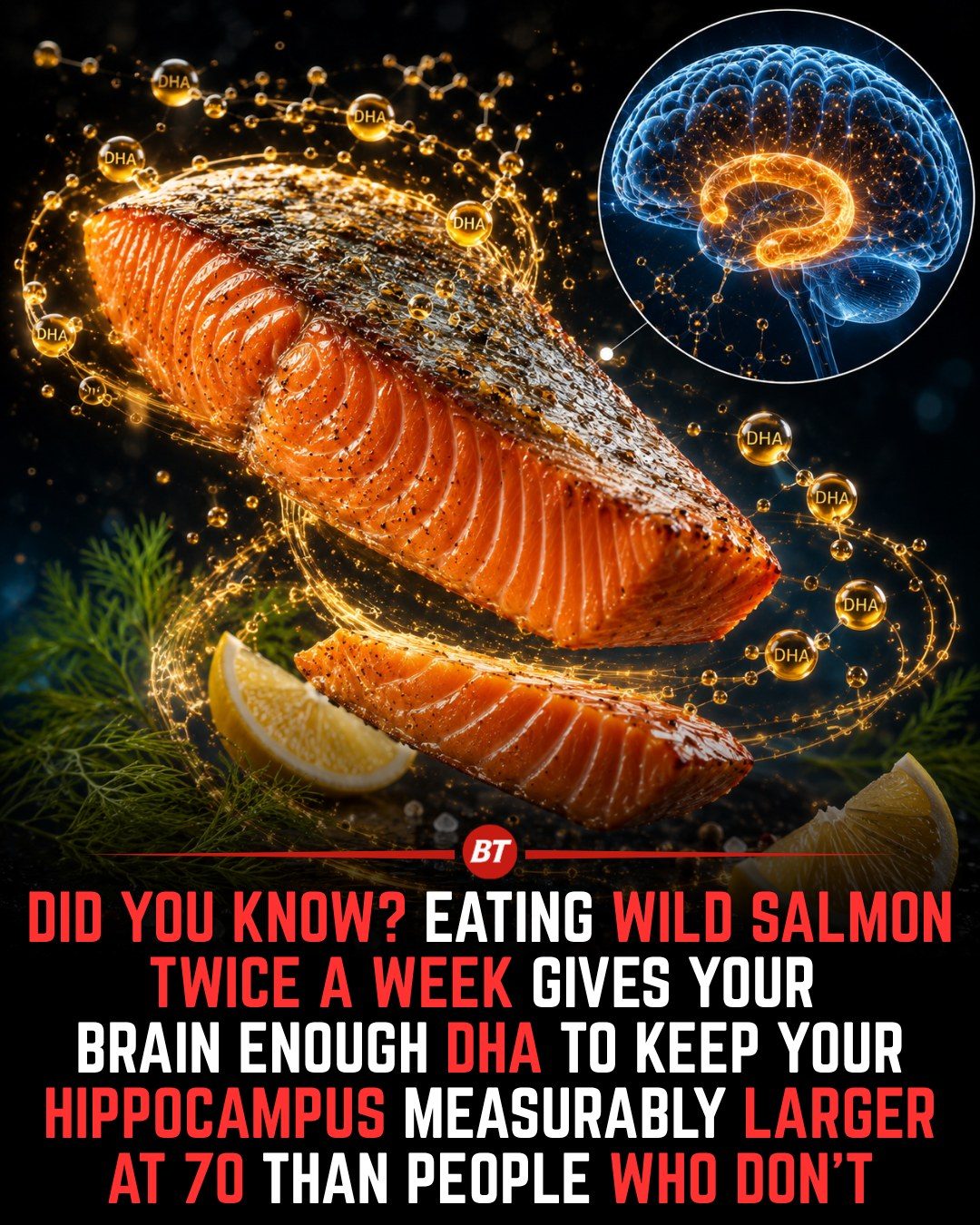
Salmon and Brain Health
Salmon is a rich source of omega-3 fatty acids, particularly DHA, which is essential for supporting brain health. This omega-3 fatty acid is a major structural component of the brain, making up a significant portion of the membranes that surround brain cells.
Why This Matters
The brain relies on DHA for efficient communication between neurons, which is crucial for memory, learning, and cognitive function. While the brain can produce some DHA, it mainly depends on dietary intake to meet its needs. This is where salmon comes in—it is one of the richest sources of DHA available, making it a valuable addition to a diet aimed at supporting long-term brain health.
Understanding DHA and Its Role in Brain Health
DHA, or docosahexaenoic acid, is a type of omega-3 fatty acid that plays a critical role in brain development and function. It is especially concentrated in areas of the brain involved in memory and learning. Researchers have found that individuals who consume fatty fish or have higher blood levels of omega-3 fatty acids often exhibit signs of healthier brain aging. This includes larger hippocampal volume, slower age-related brain shrinkage, and better performance on memory tests.
The hippocampus, a region of the brain responsible for forming new memories, is particularly dependent on healthy neurons. Studies have shown that consuming DHA-rich foods like salmon can help preserve the hippocampus, which is one of the first areas affected by normal aging and Alzheimer's disease.
Importance of Eating Wild Salmon
Eating wild salmon twice a week can help maintain a larger hippocampus at age 70. This is because wild salmon is not only rich in DHA but also provides high-quality protein, vitamin D, selenium, and vitamin B12, making it a nutrient-dense food that supports both brain and body health. Health organizations, including the American Heart Association, recommend eating fatty fish at least twice a week to support cardiovascular and cognitive health.
Practical Tips for Incorporating Salmon into Your Diet
Incorporating salmon into your diet is simpler than it might seem. Here are a few tips to help you get started:
Choose Wild Salmon
Wild salmon is generally considered healthier than farmed salmon due to its higher omega-3 content and lower levels of contaminants. When shopping for salmon, look for labels that specify "wild-caught" to ensure you're getting the best quality.
Prep and Cooking Methods
Salmon can be prepared in various ways, making it a versatile addition to your meals. Try the following methods:
- Baking: Preheat your oven to 400°F (200°C) and place the salmon fillets on a baking sheet lined with parchment paper. Season with herbs, lemon, and a drizzle of olive oil, then bake for 12-15 minutes or until the salmon is cooked through.
- Grilled: Preheat your grill to medium-high heat. Brush the salmon fillets with olive oil and season with salt, pepper, and your choice of herbs. Grill for 6-8 minutes on each side, or until the salmon is cooked to your liking.
- Air-fried: Preheat your air fryer to 400°F (200°C). Place the salmon fillets in the air fryer basket, season, and cook for 8-10 minutes or until the salmon is flaky and cooked through.
Pairing Salmon with Other Brain-Supporting Foods
To maximize the brain health benefits of salmon, pair it with other nutrient-rich foods. Leafy greens and colorful vegetables are excellent choices, as they provide antioxidants and other essential nutrients that support cognitive function. For example, a meal of baked salmon with a side of spinach and a colorful vegetable salad can provide a powerful boost to your diet.
Important Takeaways
Eating salmon twice a week provides a significant amount of DHA, supporting brain health and slowing down age-related brain shrinkage. DHA-rich foods, like salmon, may play a crucial role in maintaining cognitive function as we age. Regular consumption of salmon not only supports brain health but also contributes to overall nutritional well-being. Pairing salmon with other brain-supporting foods, such as leafy greens and colorful vegetables, can enhance these benefits.
Conclusion
Incorporating wild salmon into your diet is a delicious and effective way to support brain health. With its rich content of DHA and other essential nutrients, salmon can help maintain cognitive function, memory, and overall brain health. By aiming to enjoy salmon twice a week and pairing it with other nutrient-dense foods, you can support long-term brain health and overall wellness.
Watch the Reel
Questions readers ask
How does DHA in salmon support cognitive function?
DHA is a key component of brain cell membranes and facilitates communication between neurons. By consuming DHA-rich salmon, you support efficient brain signaling, which is essential for cognitive functions like memory, learning, and overall brain performance.
How much salmon should I eat to support brain health?
Incorporating salmon into your diet can be as simple as eating salmon two times per week. This can help ensure you're getting enough DHA, considering salmon is one of the richest sources of this crucial omega-3 fatty acid.
What makes wild salmon beneficial for brain health?
Wild salmon often has a higher concentration of omega-3 fatty acids, including DHA, compared to farmed salmon. This is due to their natural diet and environment, making wild salmon a particularly beneficial choice for supporting brain health.
Can eating salmon help slow age-related brain shrinkage?
Yes, the DHA in salmon has been linked to supporting long-term brain health, and may even slow age-related brain shrinkage. This is because DHA plays a role in maintaining the structure and function of brain cells, which can help preserve brain volume as you age.
What are some other foods rich in DHA besides salmon?
While salmon is one of the best sources, other foods rich in DHA include mackerel, sardines, and certain types of algae. For those who do not consume fish, DHA supplements derived from algae can also be a good option.
How does DHA in salmon support memory function?
DHA is vital for the structure and function of the hippocampus, the part of the brain responsible for memory. Including salmon in your diet can help support memory function by providing the DHA needed to maintain this crucial brain region.
What are some brain health tips that involve DHA?
Incorporating DHA-rich foods like salmon into your diet is a practical brain health strategy. Aim for at least two servings of fatty fish like salmon per week, and consider pairing it with other brain-boosting habits like regular exercise and adequate sleep.
Related deep dives
Similar reads based on topic and creator.




Recent articles
Fresh deep dives from the latest Reels we unpacked.




Comments
Be the first to comment.