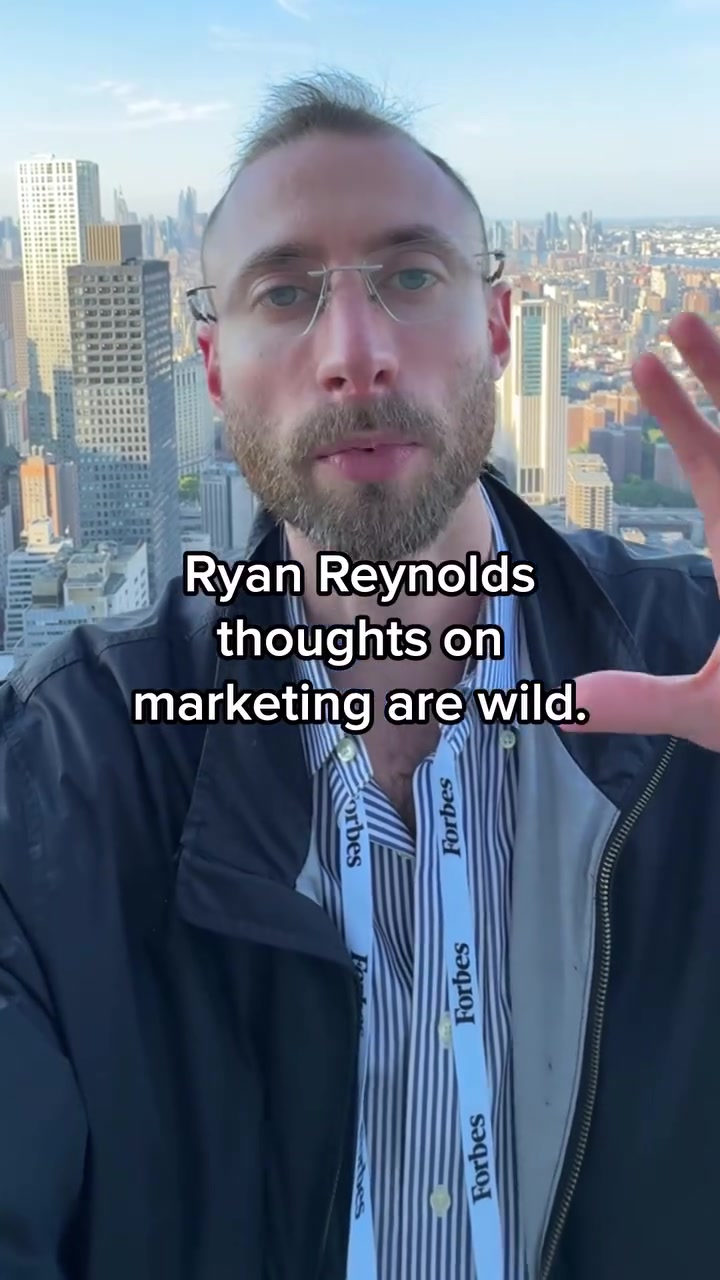
Ryan Reynolds has a directive approach to marketing: emotional investment, storytelling, and having a clear identity. His strategy, shared at Forbes Iconoclast Summit June 20, 2024, suggests “emotional investment” can make a business much more resilient and resilient to change. For Reynolds, this emotional connection is a “kind of moat”, a protective barrier that keeps a brand becoming “timeless”.
"Believers" of a brand — Reynolds’ core philosophy
Emotional investment defines the core of Reynolds' marketing strategy. In his view, this approach is a shield against the changing "financial landscape" because it "fortifies" a business like "a moat around your brand". When that moat is based in emotional investment, it’s a brand that has a clear stance, an identity, and an emotional connection with the audience. Fundamentally, it’s a brand that is going to have lasting resilience. There are two parts to this philosophy: the emotional investment that creates the connection, and the narrative that supports it. The narrative isn’t simply a marketing tool. It’s designed to create relationships. At its foundation, Reynolds’ strategy is about the audience and consumer relationship with the product. This relationship “fortifies” the brand by making it become a part of the consumer’s identity, not just a commodity.
The cultural landscape
Reynolds' philosophy echoes a growing consensus in the business world: emotional investment is the new competitive edge. Brands across industries are realizing that consumers are not solely driven by product features or price points. Instead, they seek a deeper connection, a narrative that resonates with their values and aspirations. Brands that understand this trend are better positioned to thrive in a tumultuous, uncertain economic climate. This shift is not just about branding itself. It’s about the business model. Because fans of a brand will take more risks to buy from it, even when the product is more expensive than competitors, and in a recession consumers gravitate to brands that “feel” like friends. While the idea of storytelling in marketing is not new, Reynolds’ approach underscores its undervalued potential. By emphasizing emotional investment, he suggests that brands should focus on creating meaningful experiences and fostering long-term relationships. This is a stark contrast to traditional marketing strategies that often prioritize short-term gains and transactional interactions.
"Storytelling is one of the most undervalued tools in scaling businesses"
The moat: how emotional investment works
Reynolds frames emotional investment as a protective "moat." Employing this metaphor at the Iconoclast Summit, Reynolds emphasizes that it’s the key to a brand becoming better. This concept can refer to the benefits of creating a protected brand zone that increases the connection between the brand and the consumer. This moat operates in two important ways: it creates a wall against competitors and it makes the relationship between the consumer and the brand secure. When a consumer has a “kind of” moat around a brand, they are more connected to that brand and more likely to return to it.
"If your brand has an emotional connection . . . it is incredibly resilient"
The emotional connection is what makes a committed consumer. Reynolds says, “If your brand has an emotional connection with its audience/consumer, then you have a moat that is kind of around your brand, making it incredibly resilient, something that could inevitably become timeless.” When consumers feel an emotional connection to a brand, they are more likely to remain loyal, even in the face of economic downturns or more appealing competitors. This connection cultivates a sense of belonging and trust, making the brand a natural go-to for consumers. Successful brands create a security and comfort zone for consumers, which bolsters their total commitment to the brand.
"Brand Identity"
Reynolds contrasts brands that have "an identity or a stance" against those that do not. The ones with a "stance" are "a lot more resilient" while those without identity are “more vulnerable,” to changes in the "financial landscape". When a brand has a clear identity and an emotional connection to a product, it’s "inevitably timeless," he says. This is more than just a label: it’s the unique personality, values, and emotional impact of a brand. The "stance" is more impactful than the product, which is transformed into merely a representation of the narrative and emotions associated with it. A brand’s identity thus provides a foundation of integrity for the brand-consumer relationship, rendering it more resilient to external shocks.
"businesses are vulnerable to changing consumer behavior"
This emotional connection is not a moat if it’s not rooted in a narrative. The narrative provides a brand with a strong identity and a connection to its audience. It’s the most effective way to create a moat around a brand. This narrative structure is fundamental to a brand's success. As much as the narrative provides an identity to the brand, it serves as the foundation for the emotional investment. When a brand has a clear narrative, it provides a way for consumers to connect with that brand. This narrative provides a framework for the emotional investment and can protect the brand against changes in the "financial landscape." Consumers are naturally drawn to narratives, and they are far more likely to invest emotionally in a brand when they feel connected to its story.
In Manning the moat
Businesses seeking to fortify their emotional investment might consider the following tactics.
- Build a clear brand identity: Define what your brand stands for and what makes it unique. This identity should be consistent across all touchpoints. "Create emotional storylines: Develop a narrative that resonates with your audience. This story should evoke emotions and create a sense of belonging. Your brand’s narrative should be crafted around the emotions that are most likely to resonate with your audience.
- Consistency is key: Ensure that your brand's identity and narrative are consistent across all channels. This consistency helps to reinforce the emotional connection and build trust with your audience.
- Engage with your audience: Actively engage with your audience through social media, events, and other platforms. This engagement helps to strengthen the emotional connection and foster a sense of community around your brand. Difficult to be specific about how to get someone to care about your brand. What’s more, it’s tough to measure the feelings that should be attached to a brand. The study of “how do you get someone to care about your brand” is still far from being a science, but the consensus is that helping someone to care increases brand loyalty and sales.”
Watch the Reel
Questions readers ask
What does Ryan Reynolds mean by 'emotional investment' in his marketing strategy?
Emotional investment, according to Reynolds, is about creating a deep, meaningful connection between a brand and its customers. It's about making the brand a part of the consumer's identity, not just a product they use. This emotional bond acts as a protective 'moat' around the brand, making it more resilient to changes in the market and competitive pressures.
How does storytelling fit into Reynolds' strategy?
Storytelling is a crucial component of Reynolds' strategy. It's not just about telling a story but creating a narrative that resonates with consumers' values and aspirations. This narrative helps to build and maintain the emotional connection, making the brand a part of the consumer's identity over time.
Can emotional investment really make a brand more resilient?
Reynolds believes it can. By creating an emotional bond, brands can foster a sense of loyalty and trust among consumers. This means that even in tough economic times, consumers are more likely to stick with a brand they feel connected to, making the brand more resilient.
Why does Reynolds think emotional investment is a 'moat' around a brand?
Reynolds uses the 'moat' metaphor to illustrate how emotional investment protects a brand. Just like a moat protects a castle, emotional investment creates a barrier against competitors. It makes the relationship between the consumer and the brand secure, increasing the likelihood of repeat business and loyalty.
How does Reynolds' approach differ from traditional marketing strategies?
Unlike traditional marketing that often focuses on short-term gains and transactional interactions, Reynolds' approach emphasizes long-term relationships and meaningful experiences. He believes in creating a narrative that resonates with consumers, making the brand a part of their identity rather than just a commodity.
What does Reynolds mean by a brand becoming timeless?
By 'timeless,' Reynolds means a brand that endures and remains relevant over time. This is achieved through emotional investment, where the brand becomes a part of the consumer's identity. A timeless brand is one that consumers continue to connect with, regardless of market changes or competitive pressures.
What does Reynolds think about the role of price in consumer decisions?
Reynolds suggests that consumers are willing to pay more for brands they feel emotionally connected to. This emotional investment can make a brand more resilient, even in a recession, as consumers gravitate towards brands that 'feel' like friends.
Recent articles
Fresh deep dives from the latest Reels we unpacked.




Comments
Be the first to comment.