International Relations and Economics: The Shifting Currents of Global Trade
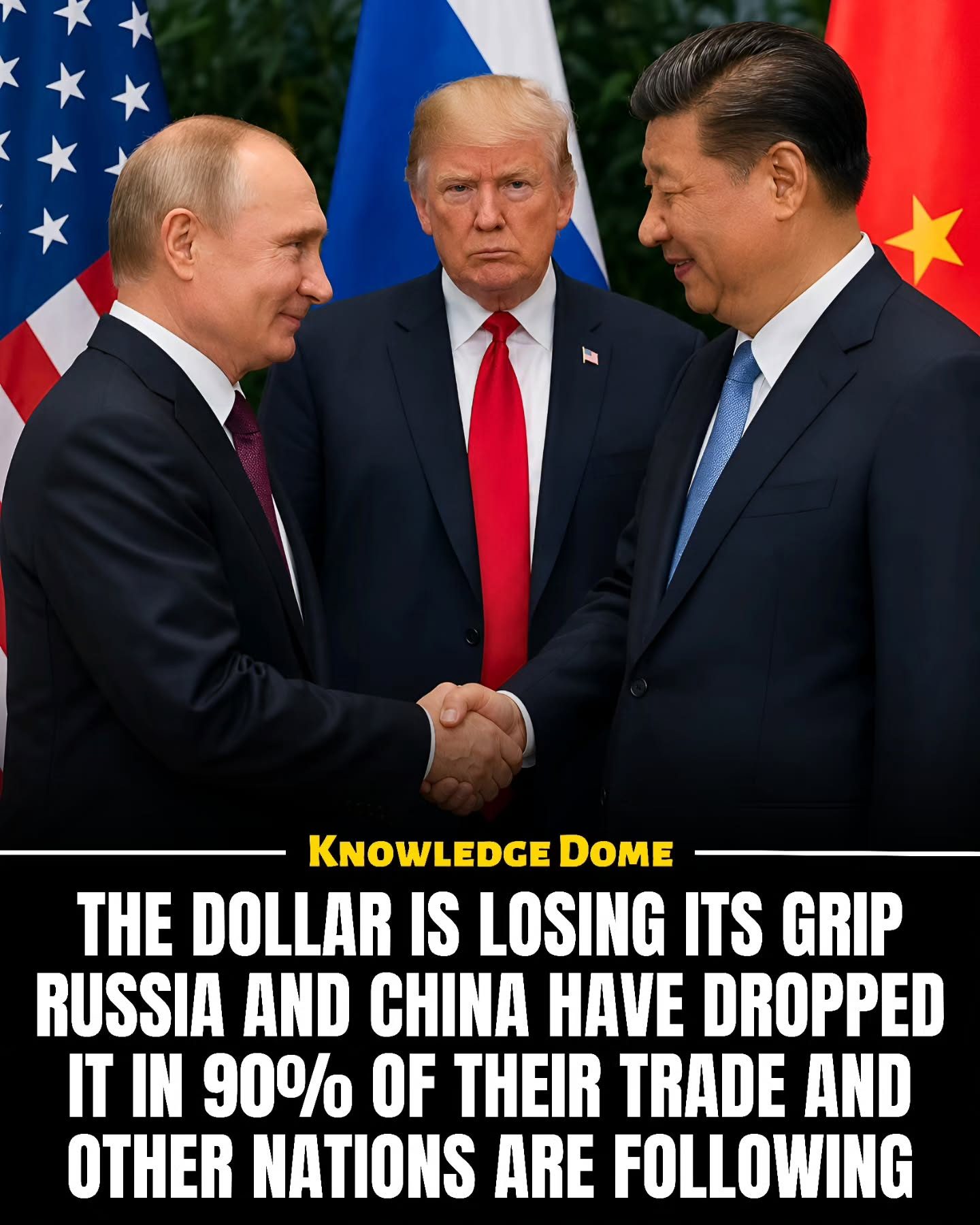
The landscape of global trade is evolving, with significant shifts in how countries, particularly Russia and China, are conducting their financial transactions. These changes are driven by geopolitical factors and a desire to reduce dependence on the US dollar, which has long been the dominant currency in international trade.
Why this Matters
Understanding these shifts is crucial for grasping the dynamics of international relations and economics. The US dollar has been the linchpin of global trade for decades, but recent developments suggest that this dominance may be waning. Countries are exploring alternative currencies and payment systems to assert more control over their financial sovereignty.
The Emerging Trend of Currency Diversification
Russia and China Lead the Way
Russia and China, two of the world's largest economies, have taken significant steps to move away from the US dollar in their bilateral trade. Their trade, valued at over 240 billion dollars, is now predominantly conducted using their own currencies: the Russian ruble and the Chinese yuan. This shift has been accelerated by Western sanctions that have made it more difficult for these countries to access the global banking system controlled by the United States.
The Impact of Western Sanctions
These sanctions have effectively forced Russia and China to seek alternative financial mechanisms. By adopting their own currencies, these countries can circumvent the restrictions and maintain financial stability. This trend highlights the broader geopolitical tensions and the economic fallout from sanctions, which have long-term implications for global trade and financial systems.
The Role of BRICS Nations
The trend is not limited to Russia and China. Other BRICS nations—Brazil, India, and South Africa—are also exploring similar measures. These countries are developing new payment systems and increasing trade in their local currencies. The goal is to reduce their dependence on the US dollar and gain more control over their own financial systems.
The Persistent Power of the US Dollar
Despite these shifts, the US dollar remains a formidable force in global trade. Around 60 percent of global central bank reserves are still held in dollars, and most international trade, especially in oil and major goods, is priced and settled in US dollars. The dollar's influence is deeply ingrained in the global economy, and its position as the world's premier currency is far from being replaced.
The Slow Decline of Dollar Dominance
While the US dollar's dominance is slowly eroding, it is still the most important currency worldwide. Experts suggest that the dollar's influence is gradually diminishing, but it will take time for other currencies to match its global reach and stability. The transition to a more diversified currency landscape is underway, but it is a slow and complex process.
Practical Tips for Navigating a Changing Financial Landscape
For businesses and investors, understanding these trends is essential for strategic decision-making. Here are some practical tips for navigating the evolving financial landscape:
-
Stay Informed: Keep abreast of geopolitical developments and their impact on financial markets. Understanding the broader context can help in making informed investment decisions.
-
Diversify Currency Holdings: Consider diversifying currency holdings to reduce exposure to any single currency. This can help mitigate risks associated with fluctuations in exchange rates and geopolitical tensions.
-
Explore Alternative Payment Systems: Be aware of new payment systems and mechanisms being developed by countries and international organizations. These can offer alternative ways to conduct business and manage financial transactions.
-
Consult Financial Advisors: Seek advice from financial advisors who specialize in international trade and investment. They can provide insights and strategies tailored to your specific needs and risk tolerance.
-
Monitor Regulatory Changes: Stay updated on regulatory changes and policy shifts in key economies. This can impact your business operations and financial strategies.
Important Takeaways
The global financial landscape is undergoing significant changes, driven by geopolitical factors and a desire for financial sovereignty. Countries like Russia and China are leading the way in moving away from the US dollar, while BRICS nations are following suit. Despite these shifts, the US dollar remains the dominant currency in global trade. Businesses and investors must stay informed and adapt to these changes to navigate the evolving financial landscape effectively.
Conclusion
The evolution of global trade dynamics, particularly the shift away from the US dollar by major economies, is a complex and nuanced issue. Understanding these changes is essential for businesses and investors seeking to thrive in an increasingly interconnected and volatile world. By staying informed, diversifying currency holdings, and exploring alternative payment systems, stakeholders can better navigate the shifting currents of international relations and economics.
Watch the Reel
Questions readers ask
What does de-dollarization mean in the context of Russia and China's trade policies?
De-dollarization in this context refers to the process by which Russia and China are increasingly using their own currencies, the Russian ruble and the Chinese yuan, to conduct trade instead of the US dollar. This shift aims to reduce their reliance on the US dollar and the associated geopolitical and economic dependencies.
Why are Russia and China moving away from the US dollar in their trade transactions?
Russia and China are moving away from the US dollar due to geopolitical tensions and the impact of Western sanctions. By using their own currencies, they can mitigate the effects of these sanctions and gain more control over their financial transactions, enhancing their financial sovereignty.
What are the potential impacts of this shift on global trade?
The shift towards de-dollarization by Russia and China could lead to a more multipolar global trade system. This change could encourage other countries to explore alternative currencies for trade, potentially leading to a more diverse and less US-centric global financial landscape. However, the extent and speed of these changes are uncertain and depend on various factors, including political stability and economic conditions.
How do Western sanctions influence Russia and China's decision to de-dollarize their trade?
Western sanctions have been a significant driver for Russia and China to de-dollarize their trade. By imposing sanctions, Western countries have limited Russia and China’s access to the US dollar, making transactions more challenging and costly, which has encouraged both countries to seek alternatives and promote the use of the ruble and yuan in their trade activities.
What role do the Russian ruble and Chinese yuan play in this de-dollarization movement?
The Russian ruble and Chinese yuan are central to the de-dollarization movement initiated by Russia and China. By promoting these currencies in trade, both countries aim to reduce their dependence on the US dollar, strengthen their financial sovereignty, and create a more stable and predictable trade environment that is less susceptible to external influences.
Are there other countries following Russia and China in this de-dollarization trend?
While Russia and China are leading the de-dollarization trend, other countries have also shown interest in reducing their dependence on the US dollar. Countries like Iran, India, and some in Africa and Latin America are exploring the use of alternative currencies and payment systems, but the extent of this adoption varies widely based on individual economic and political contexts.
How might this global trade shift affect the US economy and the international community?
The shift away from the US dollar in global trade could potentially weaken the dollar's dominance in international finance, which might lead to changes in the US’s economic and political influence. For the international community, this shift could foster greater economic autonomy and diversification, although it may also introduce new complexities and challenges in global financial transactions, such as increased volatility and the need for new regulatory frameworks.
Recent articles
Fresh deep dives from the latest Reels we unpacked.




Comments
Be the first to comment.