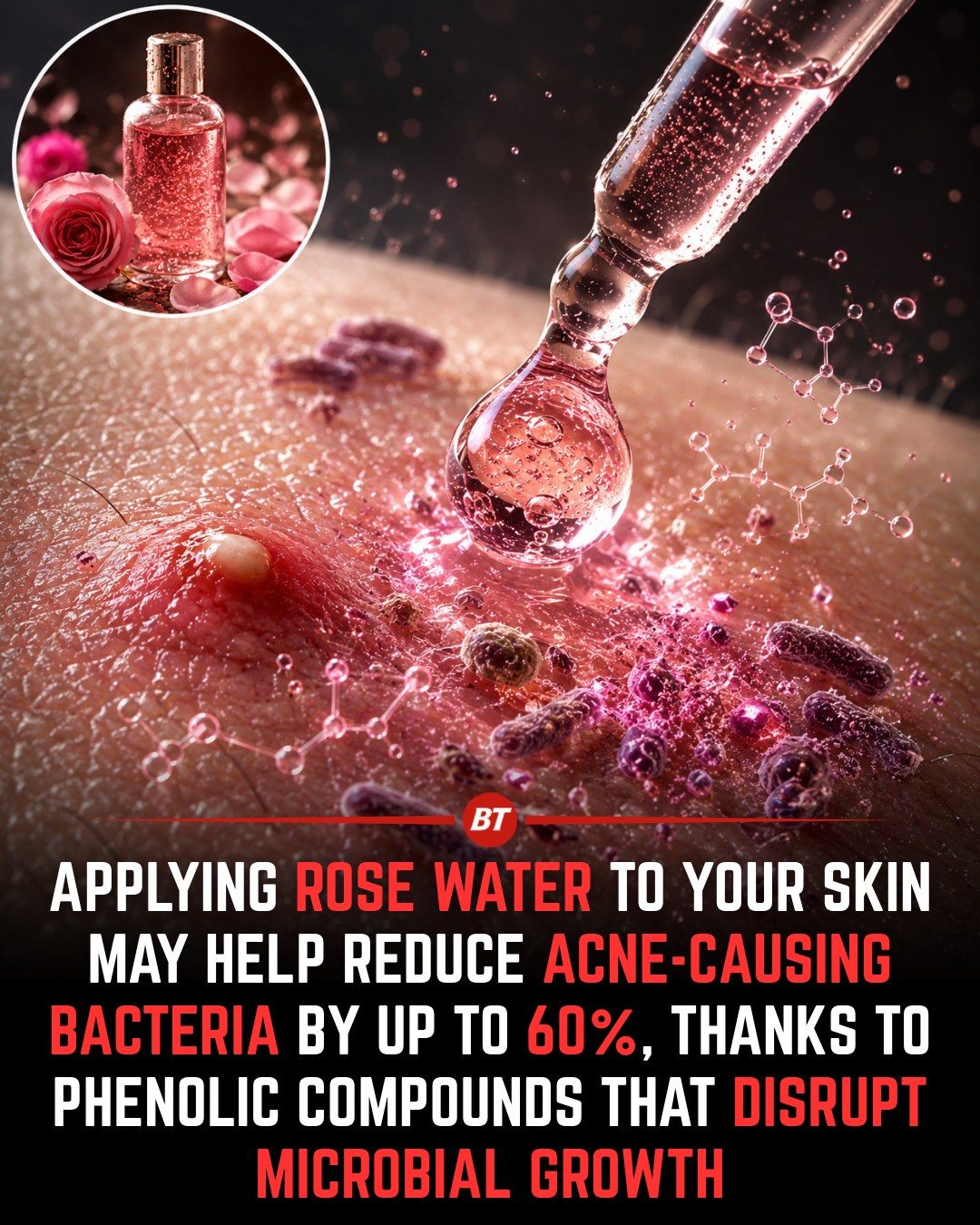
Rose Water Skincare
Rose water has long been a staple in natural skincare, prized for its pleasant scent and soothing properties. However, its benefits go beyond aromatherapy. Modern research has revealed that rose water can significantly improve skin health, particularly in combating acne and maintaining a balanced skin microbiome.
Rose petals are rich in phenolic compounds, flavonoids, and antioxidants. These natural constituents have been extensively studied for their ability to support skin health. One of the key benefits is their antimicrobial and anti-inflammatory properties, which can help reduce the growth of bacteria associated with acne and skin irritation. Laboratory studies published in reputable journals, such as BMC Complementary Medicine and Therapies, have shown that rose-derived compounds are effective against several microbial species.
Why This Matters
In an era where skincare products are often laden with synthetic chemicals, the natural appeal of rose water is gaining traction. Its ability to support a healthy skin microbiome without harsh chemicals makes it an attractive option for those seeking gentle but effective skincare solutions. Moreover, its versatile applications in toners, facial mists, and serums mean it can be easily integrated into any skincare routine.
Key Benefits of Rose Water for Skincare
Rose water offers a range of benefits for the skin, making it a valuable addition to any skincare regimen.
Antimicrobial Properties
One of the standout benefits of rose water is its antimicrobial properties. The phenolic compounds found in rose petals disrupt microbial growth, making it an effective agent against acne-causing bacteria. Studies have shown that rose water can reduce bacteria by up to 60%, helping to prevent breakouts and maintain clear skin.
Anti-Inflammatory Effects
Rose water also possesses anti-inflammatory properties, which can help soothe redness and irritation. This makes it particularly useful for individuals with sensitive skin or those experiencing inflammatory skin conditions. The anti-inflammatory effects are enhanced by the presence of flavonoids, which help calm the skin and reduce inflammation.
Antioxidant Protection
The antioxidants in rose water provide a layer of protection against environmental stressors such as pollution and UV-induced oxidative damage. This antioxidant protection helps to maintain the skin’s barrier function and promotes overall skin health. By neutralising free radicals, rose water can help prevent premature aging and maintain a youthful complexion.
Soothing and Hydrating
Rose water is known for its soothing and hydrating properties. It can help to soothe dry, irritated skin, making it an excellent choice for use after cleansing or as a midday refresher. The gentle astringent properties of rose water make it suitable for all skin types, including those prone to excess oil or occasional breakouts.
Practical Tips for Using Rose Water
Integrating rose water into your skincare routine is simple and effective. Here are some practical tips for using rose water to enhance your skin health:
Application Methods
Rose water can be applied in several ways, depending on your preferences and skincare needs. Some common methods include:
- Toners: Use a cotton pad to apply rose water after cleansing. This helps to remove any remaining impurities and prepares the skin for subsequent treatments.
- Facial Mist: Store rose water in a spray bottle and use it as a facial mist throughout the day. This can help to refresh and hydrate the skin, especially during dry or hot weather.
- Serum: Mix a few drops of rose water with your favourite serum to enhance its benefits. This can be particularly useful for individuals with dry or mature skin.
Incorporating into Your Routine
To get the most out of rose water, consider the following steps:
- Cleanse: Start with a clean face, ensuring all makeup and dirt are removed.
- Tone: Apply rose water using a cotton pad or spray bottle. This step helps to balance the skin’s pH and prepare it for moisture.
- Treat: Apply any serums, oils, or treatments that you use. The rose water can enhance the absorption of these products.
- Moisturise: Finish with a moisturiser suitable for your skin type. Rose water can help the skin absorb moisture more effectively, leaving it feeling soft and hydrated.
Important Takeaways
When it comes to skincare, incorporating natural remedies like rose water can provide a range of benefits without the use of harsh chemicals. Key points to remember include:
- Natural Antimicrobial: Rose water’s phenolic compounds can significantly reduce acne-causing bacteria, making it a natural solution to skin issues.
- Anti-Inflammatory: The anti-inflammatory properties of rose water can soothe skin irritation and redness.
- Antioxidant Protection: The antioxidants in rose water protect the skin from environmental damage, helping to maintain a youthful complexion.
- Versatile Application: Rose water can be used in various forms, including toners, facial mists, and serums, making it a versatile addition to any skincare routine.
Conclusion
Rose water is more than just a pleasant-smelling skincare ingredient. Its natural properties make it an effective tool for maintaining healthy, clear skin. By harnessing the power of phenolic compounds, flavonoids, and antioxidants, rose water offers a gentle yet powerful solution for combating acne, soothing irritation, and protecting the skin from environmental damage. Whether you use it as a toner, facial mist, or serum, incorporating rose water into your skincare routine can enhance your skin’s overall health and appearance.
Watch the Reel
Questions readers ask
What are the key benefits of using rose water for acne-prone skin?
Rose water's primary benefits for acne-prone skin come from its antimicrobial and anti-inflammatory properties. These properties help reduce acne-causing bacteria and soothe skin irritation, making it an effective natural acne treatment. Additionally, rose water can help maintain a healthy skin microbiome, which is crucial for overall skin health.
How do the phenolic compounds in rose water contribute to skin health?
Phenolic compounds in rose water act as powerful antioxidants and antimicrobial agents, protecting the skin from harmful bacteria and environmental stressors. They also help reduce inflammation and promote healing, making them an essential component in rose water's ability to support healthy, clear skin.
Can rose water be used as a standalone acne treatment?
While rose water can be a valuable addition to an acne treatment routine, it is not typically recommended as a standalone solution for severe acne. For mild acne, rose water can help reduce inflammation and fight bacteria, but it should be used in conjunction with other proven treatments for best results. Always consult a healthcare professional for personalized advice.
What is the best way to incorporate rose water into a skincare routine?
To incorporate rose water into a skincare routine, start by cleansing your face with a gentle cleanser. Then, apply rose water as a toner by lightly misting it onto your skin or applying it with a cotton pad. Allow it to absorb before applying any serums or moisturizers. This can be done both morning and evening for optimal benefits.
How does rose water help maintain a healthy skin microbiome?
Rose water supports a healthy skin microbiome by inhibiting the growth of harmful bacteria while preserving beneficial bacteria. This balance is crucial for skin health, as it helps prevent acne and other skin issues. The antimicrobial and anti-inflammatory properties of rose water contribute to this balance, keeping the skin in a healthy state.
What scientific evidence supports the use of rose water for skin health?
Several studies, including those published in BMC Complementary Medicine and Therapies, have shown that rose water possesses significant antimicrobial and anti-inflammatory properties. These properties make it an effective natural solution for reducing acne and promoting overall skin health. The phenolic compounds and flavonoids in rose water are key contributors to these benefits.
Is rose water suitable for all skin types?
Rose water is generally suitable for all skin types, including sensitive skin. Its gentle nature makes it a good choice for those with acne-prone, dry, or oily skin. However, it's always a good idea to do a patch test before incorporating any new product into your skincare routine to ensure that you do not have an adverse reaction.
Related deep dives
Similar reads based on topic and creator.




Recent articles
Fresh deep dives from the latest Reels we unpacked.




Comments
Be the first to comment.