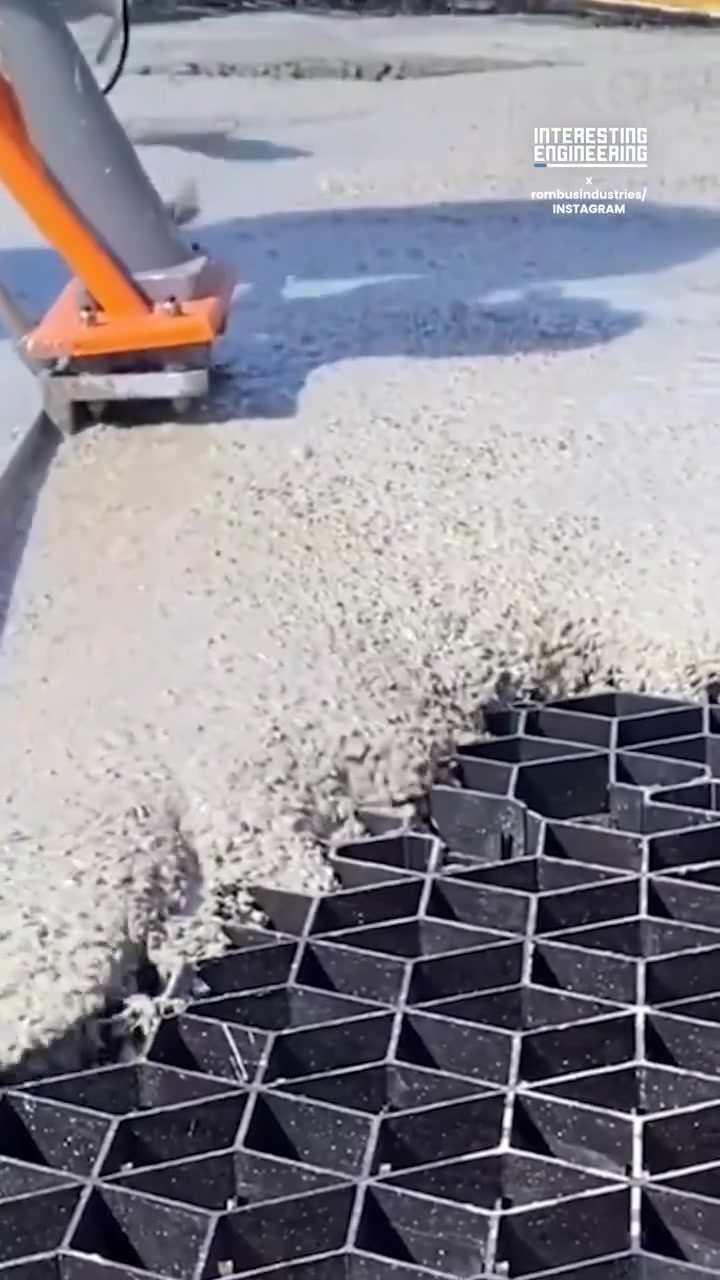
Hexagonal grid construction, particularly in the US, is an innovative approach to concrete structures. This design system, developed by companies like Rombus Industries, offers a way to reduce the amount of concrete needed, making it a cost-effective solution. Let's dive into the details of this construction method, its benefits, and practical applications.
Context
Concrete is a fundamental material in construction, but it comes at a cost. In the United States, where the price of concrete can be prohibitively high, finding efficient ways to use less of it without compromising structural integrity is crucial. This is where hexagonal grid construction comes into play. By using interlocking pieces to create a grid-like structure, builders can achieve the same strength and durability with significantly less material.
Benefits
Material Efficiency
One of the primary advantages of hexagonal grid construction is its material efficiency. The hexagonal pattern allows for a more stable and interlocking structure. This design reduces the amount of concrete needed by filling the grid spaces with smaller, granular pieces. This not only saves on material costs but also reduces the environmental impact associated with concrete production.
Structural Integrity
Despite using less concrete, hexagonal grid construction maintains exceptional structural integrity. The interlocking pieces create a solid surface that is both durable and lightweight. This makes it an ideal choice for various construction projects, from residential buildings to industrial facilities.
Versatility
Hexagonal grid panel systems are incredibly versatile. They can be used in a wide range of applications, including walls, floors, and even decorative elements. The modular nature of the grid allows for easy assembly and disassembly, making it a flexible solution for both temporary and permanent structures.
Practical Tips
Design Considerations
When planning a hexagonal grid construction project, it's essential to consider the specific requirements of your structure. The size and thickness of the grid panels will depend on the load-bearing needs of the project. Consulting with a structural engineer can help ensure that the design meets all necessary standards and regulations.
Material Selection
Choosing the right materials is crucial for the success of your hexagonal grid construction. The interlocking pieces should be made from a durable material that can withstand the intended load. Common choices include concrete, but other materials like steel or composite plastics can also be used depending on the application.
Assembly Techniques
Assembly techniques for hexagonal grid panels can vary. Some systems use pre-fabricated panels that simply need to be interlocking, while others involve on-site assembly of the individual pieces. Familiarize yourself with the specific assembly instructions provided by the manufacturer to ensure a smooth and efficient construction process.
Environmental Impact
Considering the environmental impact of your construction project is becoming increasingly important. Hexagonal grid construction can help reduce the carbon footprint associated with concrete production by using less material. Additionally, the modular nature of the system can make it easier to recycle or repurpose the materials at the end of their lifecycle.
Important Takeaways
Hexagonal grid construction offers a cost-effective and efficient alternative to traditional concrete construction methods. By using interlocking pieces to create a grid-like structure, builders can achieve the same structural integrity with significantly less material. This not only saves on costs but also reduces the environmental impact of the construction process.
Conclusion
In summary, hexagonal grid construction is a innovative and practical solution for reducing material costs and environmental impact. This method, showcased by companies like Rombus Industries, offers a versatile and durable construction approach. Whether you're building a residential structure, an industrial facility, or a decorative element, hexagonal grid construction provides a cost-effective and eco-friendly alternative to traditional methods. Consider this approach for your next construction project and experience the benefits of material efficiency and structural integrity.
Watch the Reel
Questions readers ask
What is hexagonal grid construction and how does it reduce concrete usage?
Hexagonal grid construction is a method where interlocking hexagonal pieces are used to create a grid-like structure. This design allows for reduced concrete usage because the interlocking pattern provides strength and stability, minimizing the need for excessive concrete. The technique, developed by firms like Rombus Industries, creates a structurally sound base using less material, thus lowering overall costs and waste.
How does Rombus Industries' hexagonal grid construction maintain structural integrity?
Rombus Industries' hexagonal grid construction maintains structural integrity through its interlocking design. The hexagonal pattern distributes stress evenly across the structure, ensuring robust support and stability. This design method has been proven to withstand various loads and forces, making it a reliable choice for different construction applications.
What are the primary benefits of using hexagonal grid construction in buildings?
The primary benefits of using hexagonal grid construction include reduced material usage, cost savings, and increased versatility. This method allows for the creation of strong, stable structures while using less concrete, making it a cost-effective solution. Additionally, the hexagonal design can be adapted for various applications, from residential buildings to industrial projects.
In what types of projects can hexagonal grid construction be applied?
Hexagonal grid construction can be applied to a wide range of projects, including residential, commercial, and industrial buildings. Its versatility and cost-effectiveness make it an attractive option for developers and construction companies, and it can also be used in infrastructure projects, such as bridges and tunnels, enhancing material efficiency and reducing environmental impact.
How does hexagonal grid construction compare to traditional concrete methods in terms of cost?
Hexagonal grid construction typically results in lower costs compared to traditional concrete methods. By reducing the amount of concrete needed, this innovative approach decreases material expenses and overall construction costs. Additionally, the efficient use of materials can lead to faster construction times and reduced labor costs, further enhancing its economic benefits.
What are the environmental benefits of using hexagonal grid construction?
Hexagonal grid construction offers several environmental benefits. By reducing the amount of concrete needed, this method lowers the carbon footprint associated with concrete production. Additionally, the efficient use of materials results in less waste, contributing to a more sustainable construction process. The reduced material usage also decreases the need for extraction and transportation of raw materials, further minimizing environmental impact.
Related deep dives
Similar reads based on topic and creator.


Recent articles
Fresh deep dives from the latest Reels we unpacked.




Comments
Be the first to comment.