Vitamin D and Magnesium: Essential Nutrients for Optimal Health
Vitamin D and magnesium are two critical nutrients that play pivotal roles in maintaining overall health and well-being. While many people focus on calorie intake and workouts, the importance of these nutrients often goes overlooked. Deficiencies in vitamin D and magnesium can significantly impact various aspects of your life, from energy levels to muscle recovery.
Why This Matters
Vitamin D is often referred to as the "sunshine vitamin" because your body produces it in response to sunlight. It is essential for bone health, immune function, muscle strength, and overall well-being. Magnesium, on the other hand, supports muscle and nerve function, boosts energy levels, and promotes heart health. Both nutrients are crucial for optimal bodily functions, and deficiencies can lead to a range of symptoms that many people might attribute to stress or lack of motivation.
Understanding Vitamin D Deficiency
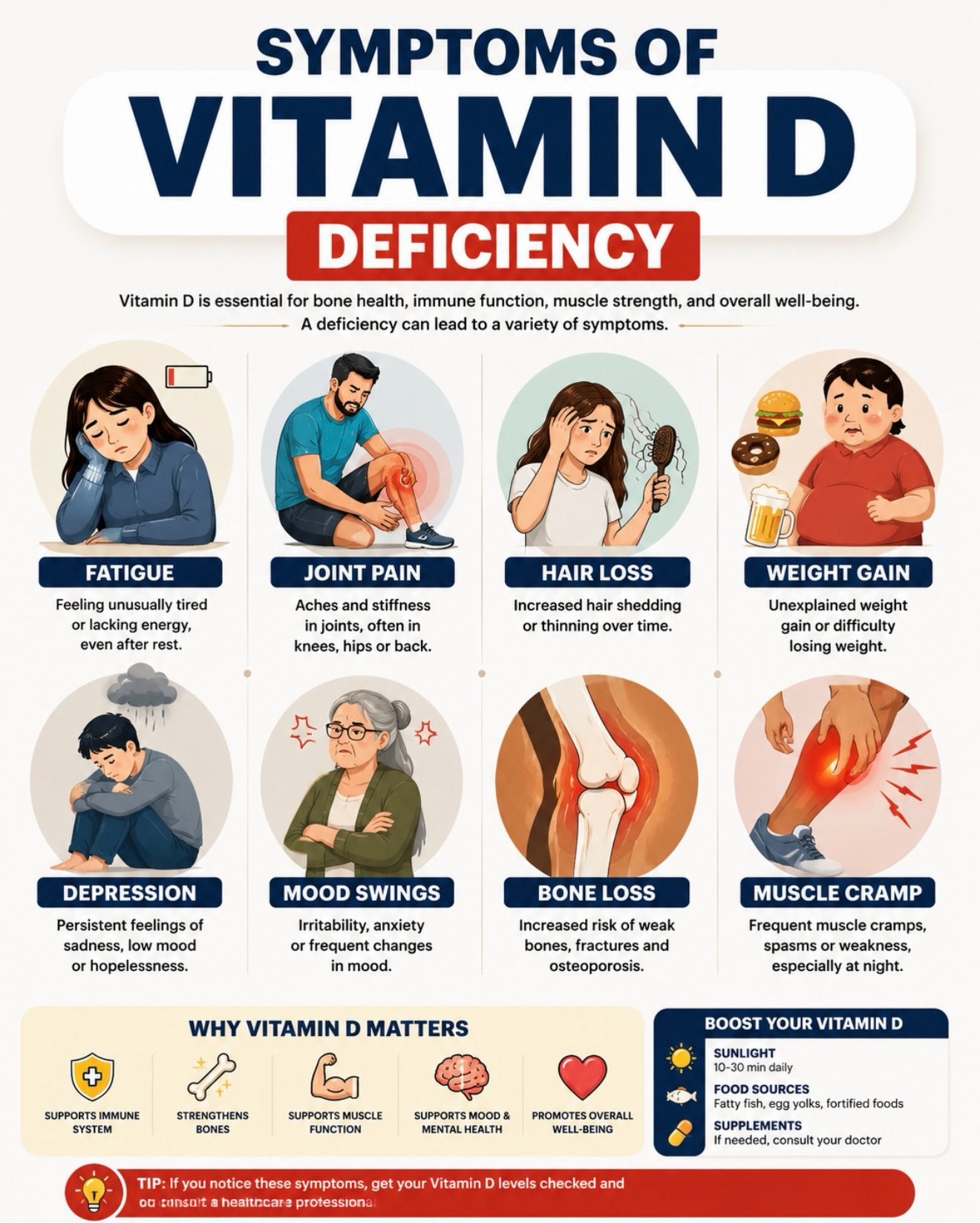
Symptoms of Vitamin D Deficiency
Vitamin D deficiency can manifest in several ways, including:
- Fatigue: Feeling tired despite getting enough sleep.
- Joint Pain: Experiencing persistent discomfort in your joints.
- Hair Loss: Noticeable thinning or loss of hair.
- Weight Gain: Unexplained weight increase.
These symptoms can significantly impact your daily life, making it difficult to perform even routine tasks. If you frequently feel tired, sore, or mentally drained, it might be a sign that your body is lacking essential nutrients.
Foods Rich in Vitamin D
Incorporating foods rich in vitamin D into your diet can help combat deficiency. Some excellent sources include:
- Fatty Fish: Salmon, tuna, and mackerel are excellent sources of vitamin D. Aim to include these in your diet at least a few times a week.
- Fortified Foods: Many dairy products, cereals, and plant-based milks are fortified with vitamin D. Check labels to ensure you're getting adequate amounts.
- Eggs, Nuts, and Greens: These foods also contain vitamin D and can be easily incorporated into your meals.
The Sunshine Vitamin
Getting daily sunlight is another effective way to boost your vitamin D levels. Spend some time outdoors, either through activities like walking, jogging, or simply sitting in the sun. Just be mindful of protecting your skin and eyes from excessive UV exposure.
The Benefits of Magnesium
Magnesium is involved in over 300 biochemical reactions in the body, making it a vital mineral for various functions. Some of the key benefits of magnesium include:
- Muscle and Nerve Function: Magnesium helps regulate muscle and nerve function, reducing the likelihood of cramps and twitches.
- Energy Levels: It plays a crucial role in converting food into energy, helping you feel more energetic throughout the day.
- Heart Health: Magnesium supports heart health by maintaining a steady heartbeat and regulating blood pressure.
Practical Tips for Incorporating Vitamin D and Magnesium
Simple Habits for Better Health
Making small, consistent changes can significantly improve your overall health. Here are some practical tips to help you get more vitamin D and magnesium:
- Get Daily Sunlight: Spend at least 10-15 minutes in the sun each day, preferably during peak hours.
- Eat More Whole Foods: Incorporate a variety of whole foods into your diet, including fatty fish, eggs, nuts, and greens.
- Stay Hydrated: Drink plenty of water to support overall bodily functions and nutrient absorption.
- Prioritize Sleep Consistency: Aim for 7-9 hours of sleep per night to help your body recover and maintain balance.
The Role of Nutrition in Fitness
Nutrition plays a crucial role in achieving optimal fitness and health. While exercise is essential, it's equally important to nourish your body with the right nutrients. By focusing on both fitness and nutrition, you can enhance your performance, recovery, and overall well-being.
Important Takeaways
- Vitamin D and magnesium are essential for various bodily functions, including bone health, muscle strength, and energy levels.
- Deficiencies in these nutrients can lead to symptoms like fatigue, joint pain, and hair loss.
- Incorporating foods rich in vitamin D and magnesium, along with getting daily sunlight and prioritizing sleep, can help you maintain optimal health.
- Combining fitness and nutrition is key to achieving long-term health goals and preventing deficiencies.
Conclusion
Vitamin D and magnesium are crucial for maintaining overall health and well-being. By understanding the symptoms of deficiency and incorporating these nutrients into your daily routine, you can significantly improve your energy levels, muscle recovery, and overall performance. Remember, small improvements done consistently can lead to significant long-term benefits. Prioritize both fitness and nutrition to achieve a balanced and healthy lifestyle.
Watch the Reel
Questions readers ask
How does vitamin D deficiency affect my body?
Vitamin D deficiency can manifest in various ways, including fatigue, muscle weakness, joint pain, and even weight gain. This is because vitamin D plays a crucial role in bone health, muscle function, and immune support. Low vitamin D levels can impair these functions and lead to these symptoms.
Which foods are high in magnesium for maintaining health?
Magnesium can be found in a variety of foods, including leafy greens like spinach, nuts and seeds, whole grains, and legumes. Dark chocolate and fatty fish are also good sources. Incorporating these foods into your diet can help ensure you are getting enough magnesium for muscle and nerve function, as well as energy levels.
How does vitamin D impact my immune system?
Vitamin D is essential for a healthy immune system. It helps regulate immune responses, reduces inflammation, and enhances the body's ability to fight infections. Adequate vitamin D levels can support your body's natural defenses and help you stay healthy, especially during cold and flu season.
Can taking magnesium help with muscle recovery after workouts?
Yes, magnesium plays a vital role in muscle recovery. It helps relax muscles, reduces cramps, and aids in the repair of muscle tissue. Including magnesium-rich foods or supplements in your post-workout routine can help alleviate soreness and promote faster recovery.
How does vitamin D and magnesium impact my energy levels?
Both vitamin D and magnesium are essential for maintaining energy levels. Vitamin D helps convert food into energy, and magnesium is involved in numerous biochemical reactions that produce energy. Deficiencies in either nutrient can lead to fatigue and low energy levels, making it important to ensure you're getting enough of both.
What are the symptoms of vitamin D and magnesium deficiency?
Symptoms of vitamin D and magnesium deficiency can include fatigue, muscle weakness, joint pain, and cramps. Additionally, vitamin D deficiency can lead to bone loss and increased risk of fractures, while magnesium deficiency can cause sleep disturbances and even heart palpitations. If you experience these symptoms, consider checking your nutrient levels with a healthcare professional.
Can vitamin D and magnesium help improve sleep quality?
Yes, both vitamin D and magnesium can contribute to better sleep. Vitamin D helps regulate sleep patterns and improve sleep quality. Magnesium, on the other hand, promotes relaxation and supports the production of the sleep hormone melatonin, helping you fall asleep faster and enjoy deeper sleep.
Recent articles
Fresh deep dives from the latest Reels we unpacked.




Comments
Be the first to comment.