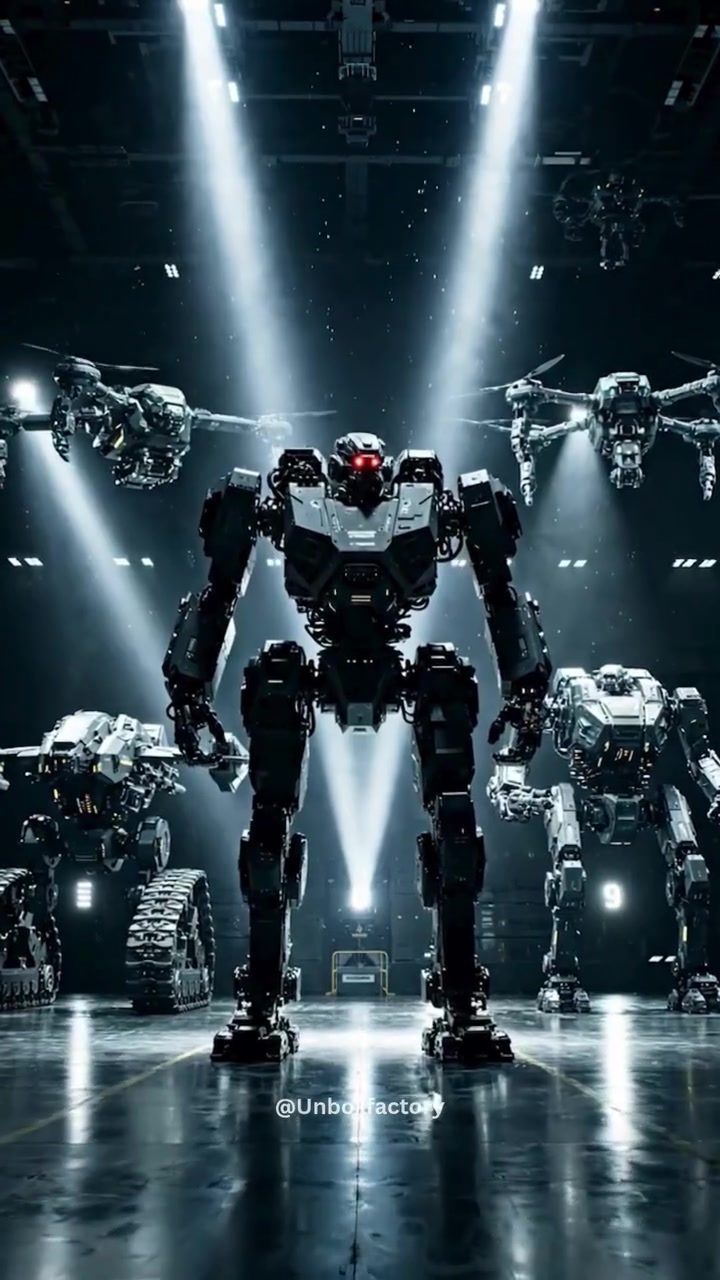
Robotic Systems in Active Conflict Zones
Military technology is evolving rapidly, with robotic systems playing an increasingly vital role in active conflict zones. These systems are not just theoretical concepts or prototypes; they are actively deployed in real-world scenarios, changing the landscape of modern warfare.
Why This Matters
The deployment of robots in active conflict zones represents a significant shift in military strategy. These autonomous systems can operate in environments that are too dangerous for human soldiers, providing crucial reconnaissance, supply delivery, and combat support. This not only reduces the risk to human life but also enhances the efficiency and effectiveness of military operations.
Main Discussion
Ukrainian FPV Drones
Ukrainian First-Person View (FPV) drones have made a significant impact on the battlefield. Produced and deployed at an industrial scale, these drones have been instrumental in destroying over 3,000 Russian armored vehicles and aircraft. Priced at around $400 each, these drones demonstrate that cost-effective autonomous systems can outperform equipment costing thousands of times more. Their success highlights the strategic advantages of affordable, autonomous technology in modern warfare.
Russia's QB-BLA Loitering Munition
Russia's QB-BLA loitering munition is another notable advancement. This autonomous aircraft searches for targets based on pre-programmed criteria without requiring human authorization for each engagement. This capability allows for more efficient and targeted operations, reducing the need for constant human oversight and enabling faster response times.
Israel's REX-2 Autonomous Ground Vehicle
Israel's REX-2 autonomous ground vehicle is a game-changer in supply logistics and patrols. Operating in Gaza, the REX-2 carries supplies and performs armed patrols without putting soldiers in exposed positions. This not only enhances operational efficiency but also ensures the safety of military personnel, allowing them to focus on other critical tasks.
Anduril's Ghost Shark
Anduril's Ghost Shark is a large autonomous submarine used for strategic patrol operations in the Pacific. Operating without a crew, the Ghost Shark can conduct undersea missions with minimal human intervention, providing valuable intelligence and surveillance capabilities. This submarine represents a significant leap in underwater warfare technology, allowing for covert and strategic operations.
Boston Dynamics' Spot Robot
The Boston Dynamics Spot robot is another standout in the field of military robotics. Used by multiple militaries, the Spot robot is deployed for reconnaissance in environments that are too dangerous for human scouts. Its agility and durability make it an ideal tool for gathering intelligence and conducting surveillance in high-risk areas.
Practical Tips
Integration with Existing Systems
For military planners, integrating these robotic systems with existing infrastructure is crucial. Ensuring seamless communication and coordination between robotic systems and human operators can significantly enhance operational effectiveness.
Training and Maintenance
Regular training and maintenance are essential for the effective deployment of robotic systems. Personnel must be well-versed in the operation and maintenance of these advanced technologies to maximize their potential on the battlefield.
Ethical and Legal Considerations
The use of autonomous systems in warfare raises ethical and legal considerations. It is important to develop clear guidelines and regulations for their deployment to ensure that they are used responsibly and ethically.
Important Takeaways
Robotic systems are transforming the nature of warfare. These technologies are not just futuristic concepts; they are actively deployed in real-world scenarios, providing valuable support in reconnaissance, supply delivery, and combat operations. The continued advancement and integration of these systems will shape the future of military strategy and operations.
Conclusion
The deployment of robotic systems in active conflict zones is a testament to the rapid evolution of military technology. These systems are changing the character of warfare, making it more efficient, less risky, and more strategic. As these technologies continue to advance, their role in modern warfare will only become more pronounced, shaping the future of military operations and strategy.
Watch the Reel
Questions readers ask
What types of robotic systems are currently being used in active conflict zones?
In modern warfare, a variety of robotic systems are in use, including drones for aerial surveillance and combat, autonomous ground vehicles for reconnaissance and supply delivery, and other unmanned systems designed to operate in high-risk environments. These systems range from small, agile drones to larger, more robust vehicles capable of handling various military tasks.
How do military robots enhance the efficiency of military operations?
Military robots increase operational efficiency by performing tasks that would otherwise put human soldiers at risk. They can operate continuously without needing rest, gather data and intelligence more thoroughly, and execute missions with high precision. Additionally, they reduce the logistical burden by assisting in supply delivery and other support roles, allowing human soldiers to focus on other critical tasks.
What role do drones play in modern warfare?
Drones are integral to modern warfare, serving multiple purposes such as reconnaissance, surveillance, and direct combat. They provide real-time information about enemy positions, movements, and activities, helping commanders make informed decisions. Combat drones can also engage targets with precision, minimizing collateral damage and reducing the need for human intervention in dangerous situations.
What are autonomous ground vehicles and how are they utilized in the military?
Autonomous ground vehicles (AGVs) are unmanned vehicles designed to operate on land without human intervention. In the military, they are utilized for tasks like reconnaissance, supply delivery, and even combat support. AGVs can navigate challenging terrains, gather data, and transport supplies to frontline troops, all while reducing the risk to human soldiers.
How do military robots contribute to reducing human risk in conflict zones?
Military robots significantly reduce human risk by taking on high-risk tasks such as reconnaissance in hostile territories, combat operations in hazardous areas, and the handling of dangerous materials. By performing these dangerous tasks, robots minimize the exposure of human soldiers to life-threatening situations, thereby saving lives and ensuring the safety of military personnel.
In which conflict zones are robotic systems most commonly deployed?
Robotic systems are deployed in a variety of conflict zones, with notable use in regions such as Ukraine, where First Person View (FPV) drones have been particularly effective. Other areas where these systems are commonly deployed include the Middle East, where drones and other autonomous vehicles are used for surveillance and combat, as well as in border security operations in various countries around the world.
What are the primary benefits of using autonomous combat vehicles in military operations?
Autonomous combat vehicles offer several key benefits, including the ability to engage targets with precision, reducing the need for human intervention in dangerous environments, and providing round-the-clock operational capability. They can also be equipped with a variety of sensors and weapons, making them versatile tools for a wide range of military tasks, from reconnaissance to direct combat.
Recent articles
Fresh deep dives from the latest Reels we unpacked.




Comments
Be the first to comment.