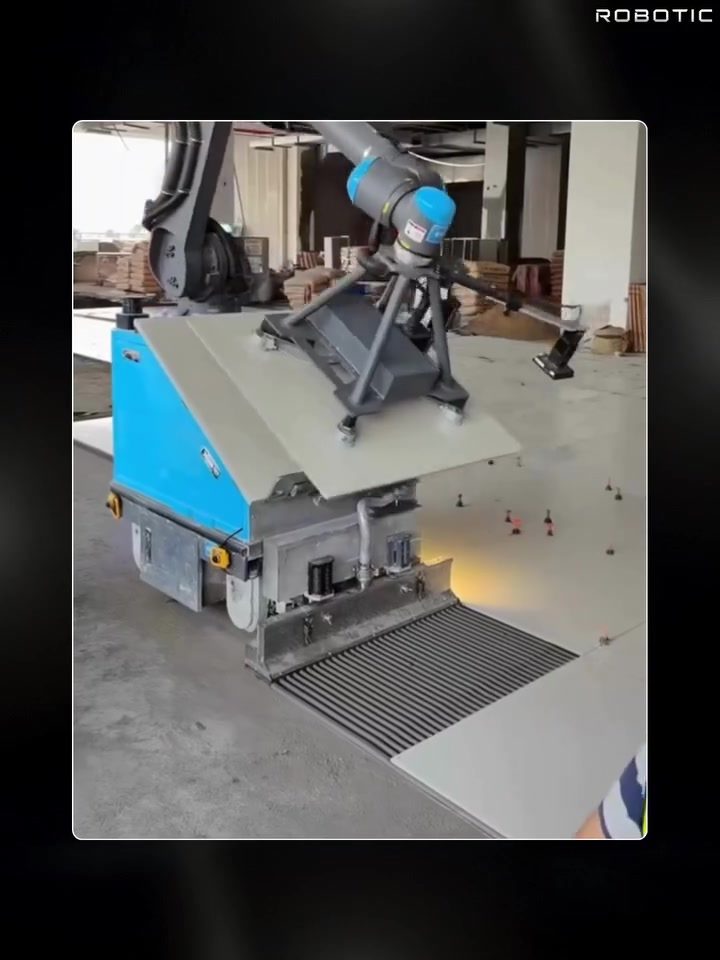
Robotic Tile Laying Systems
Robotic tile laying systems are revolutionizing the construction industry by automating repetitive flooring tasks. These advanced systems, are designed to enhance efficiency, precision, and consistency in large-scale flooring projects. The robotic tile laying system developed by roboticChina showcases a mobile robot capable of mixing mortar, navigating floors, lifting tiles using suction, and placing them with remarkable accuracy.
Why This Matters
The construction industry is increasingly embracing automation to address labor shortages, improve efficiency, and ensure high-quality results. Robotic tile laying systems play a pivotal role in this transformation by automating one of the most labor-intensive and repetitive tasks in construction: tile laying. This innovation has the potential to significantly reduce labor requirements, accelerate project timelines, and enhance the overall quality of flooring work.
Main Discussion
The Technology Behind Robotic Tile Laying
The robotic tile laying system developed by roboticChina is a prime example of cutting-edge automation in construction. This mobile robot is equipped with advanced features that enable it to perform a wide range of tasks autonomously.
Mortar Mixing and Application
One of the key features of this robotic system is its ability to mix mortar. The robot can prepare the mortar mixture with precision, ensuring consistent quality and the right consistency for optimal tile adhesion. This capability eliminates the need for manual mortar mixing, which can be time-consuming and prone to human error.
Navigation and Positioning
The mobile robot is designed to navigate across large open spaces with ease. Equipped with sophisticated sensors and algorithms, it can map out the floor layout and move seamlessly from one area to another. This navigation system ensures that the robot can cover extensive areas efficiently, making it ideal for large-scale flooring projects.
Tile Lifting and Placement
The robotic arm mounted on the mobile base is the heart of the system. It can lift tiles using suction, ensuring a secure grip without damaging the tiles. The arm's precision allows it to place tiles with a reported positioning accuracy of up to ±0.5 mm. This level of accuracy is crucial for achieving a flawless finish, especially in applications that require tight tolerances.
Efficiency and Labor Reduction
One of the most significant advantages of robotic tile laying systems is their ability to reduce labor requirements. Manufacturer test data claims that the robotic system can cover up to 120 square meters per day, which is a substantial increase in productivity compared to manual tile laying. By reducing the need for manual labor by more than 60%, these systems help construction companies save on labor costs and allocate their workforce more efficiently.
Consistency and Quality
Automating the tile laying process ensures a high level of consistency and quality. The robotic system can maintain a uniform tile layout, spacing, and alignment, which is difficult to achieve manually. This consistency is particularly important in large-scale projects where uniformity is critical for aesthetics and functionality.
Practical Tips
Choosing the Right Robotic System
When considering a robotic tile laying system, it's essential to evaluate the specific needs of your project. Factors such as the size of the area, the type of tiles, and the required level of precision should be taken into account. Additionally, consider the system's compatibility with existing equipment and the ease of integration into your workflow.
Training and Maintenance
While robotic systems are designed to operate autonomously, proper training and maintenance are crucial for optimal performance. Ensure that your team is well-trained in operating the robotic system and performing routine maintenance tasks. Regular check-ups and calibrations can help prevent downtime and ensure the system's longevity.
Safety Considerations
Safety is a paramount concern in any construction site. When implementing a robotic tile laying system, ensure that all safety protocols are followed. This includes installing safety barriers, conducting regular safety checks, and providing adequate training to all personnel involved.
Integration with Other Tools
To maximize the efficiency of a robotic tile laying system, consider integrating it with other automation tools and software. For example, using Building Information Modeling (BIM) software can help in planning and executing the project more efficiently. Additionally, integrating the robotic system with inventory management software can streamline material handling and reduce waste.
Important Takeaways
Enhanced Productivity
Robotic tile laying systems significantly enhance productivity by automating repetitive tasks. The ability to cover large areas quickly and efficiently makes these systems ideal for large-scale projects.
Reduced Labor Costs
By reducing the need for manual labor, robotic systems help construction companies save on labor costs. This cost-saving measure can be reinvested in other areas of the project or used to enhance overall profitability.
Improved Quality and Consistency
The precision and consistency offered by robotic systems ensure a high-quality finish. This is particularly beneficial in projects where uniformity and precision are critical.
Flexibility and Adaptability
Robotic tile laying systems are designed to be flexible and adaptable to various project requirements. Whether it's a small residential project or a large commercial complex, these systems can be tailored to meet specific needs.
Conclusion
Robotic tile laying systems represent a significant advancement in the construction industry. By automating repetitive flooring tasks, these systems enhance efficiency, reduce labor requirements, and ensure high-quality results. As the demand for automation continues to grow, robotic tile laying systems are poised to play an increasingly important role in shaping the future of construction.
Watch the Reel
Questions readers ask
How do robotic tile laying systems improve efficiency in construction projects?
Robotic tile laying systems streamline construction projects by automating repetitive tasks such as mixing mortar, navigating large spaces, and laying tiles. This automation reduces the time required for these tasks, allowing projects to be completed more quickly and with fewer errors. Additionally, these systems can operate continuously, further enhancing overall efficiency.
What are the key features of the robotic tile laying system developed by roboticChina?
The robotic tile laying system by roboticChina includes a mobile robot that can mix mortar, navigate floors, and lay tiles with high precision. It uses suction to lift tiles and place them accurately, significantly improving the consistency and quality of tiling work. This system is designed to address labor shortages and enhance productivity in large-scale construction projects.
How do robotic tile laying systems address labor shortages in the construction industry?
By automating the tedious and repetitive task of tile laying, robotic systems help alleviate the strain of labor shortages. These systems can work continuously without breaks, reducing the dependency on human labor and ensuring that projects stay on schedule. Additionally, they minimize the risk of human error, leading to higher quality results.
What are the benefits of using automated tile installation in large-scale construction projects?
Automated tile installation offers several benefits, including increased speed, precision, and consistency. Robotic systems can cover large areas quickly and uniformly, ensuring that tiles are laid accurately and efficiently. This not only speeds up the construction process but also enhances the overall quality and durability of the finished flooring.
How do robotic tile laying systems enhance the quality of flooring in construction?
Robotic tile laying systems enhance flooring quality by ensuring consistent and precise tile placement. The robots use advanced navigation and suction technologies to place tiles accurately, reducing the likelihood of errors or inconsistencies. This results in a more polished and durable finished product, improving the overall quality of the construction project.
Can robotic tile laying systems operate in various types of construction environments?
Yes, robotic tile laying systems are designed to be versatile and can operate in a wide range of construction environments. They are equipped with advanced sensors and navigation capabilities that allow them to work in large, open spaces as well as more confined areas. This versatility makes them suitable for various types of construction projects, from residential buildings to commercial complexes.
What are the potential cost savings associated with using robotic tile laying systems?
While the initial investment in robotic tile laying systems can be significant, the long-term cost savings can be substantial. By reducing the need for manual labor, these systems help lower labor costs and minimize waste from errors. Additionally, their ability to work quickly and efficiently can shorten project timelines, further reducing overall construction costs.
Recent articles
Fresh deep dives from the latest Reels we unpacked.




Comments
Be the first to comment.