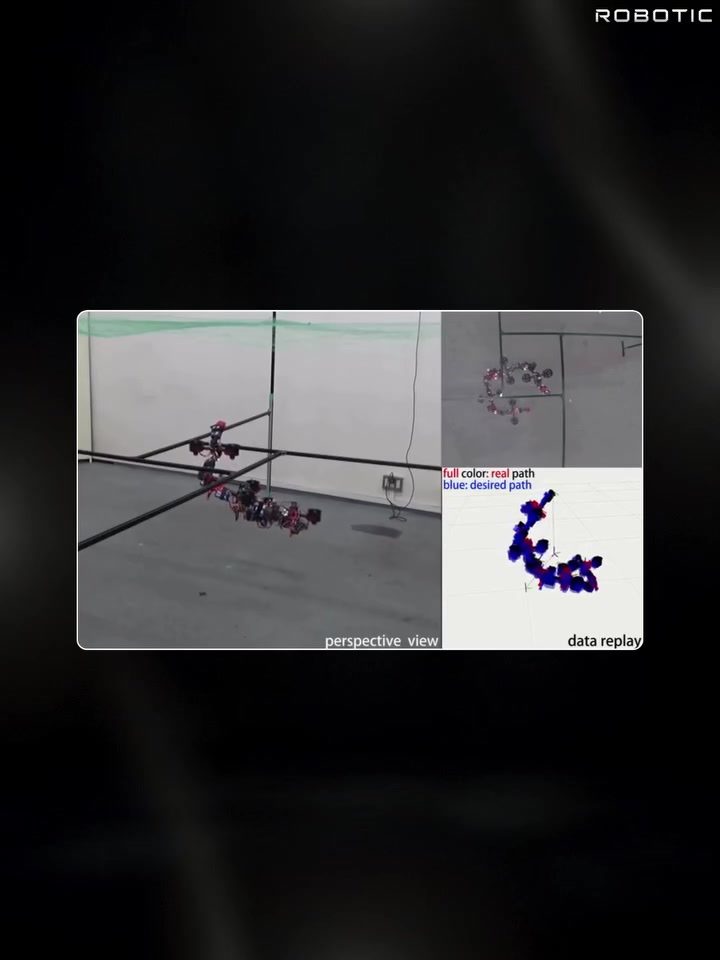
Robotic path planning is essential in robotics, particularly for robotic arms navigating complex environments. The process involves determining the most efficient and safe route for a robotic arm to follow, ensuring it reaches its target while avoiding obstacles. This technology is critical in various applications, from manufacturing and assembly to surgical procedures and space exploration.
Why This Matters
Efficient path planning is crucial for optimizing robot performance. A well-planned route can reduce the time and energy required to complete a task, increase precision, and minimize the risk of collisions. This matters greatly in industries where robotic arms are used for delicate or precise work, such as in electronics manufacturing or medical procedures.
In manufacturing, robotic arms perform tasks like welding, painting, and material handling. The ability to plan and adjust their paths in real-time ensures smooth and accurate operations, enhancing productivity and product quality. In the medical field, robotic arms are used for minimally invasive surgeries, where precise path planning is essential for patient safety and successful outcomes.
Real-time Path Tracking
The concept of real-time path tracking is pivotal in robotic systems. This involves continuously comparing the robotic arm's actual path (often displayed in red) with the desired path (usually shown in blue). The system uses visual cues, such as color-coding, to represent different paths. This real-time feedback allows the robotic arm to make immediate adjustments, ensuring it stays on course and avoids any unexpected obstacles.
For example, in a scenario where a robotic arm is tasked with welding a car chassis, the system would continuously monitor the arm's movements, adjusting its path in real-time to maintain precision and avoid any inconsistencies. This level of accuracy is crucial for maintaining high-quality standards in manufacturing processes.
Visual Cues and Feedback
Visual cues are a significant aspect of robotic path planning. Color-coding, for instance, helps operators and programmers distinguish between the actual and desired paths. This visual representation provides a clear and immediate understanding of the robotic arm's performance and any deviations from the planned route.
In a manufacturing setting, engineers might use this visual feedback to fine-tune the robotic arm's movements, ensuring it operates efficiently and accurately. For instance, if the robotic arm is slightly off course, the system can quickly identify the discrepancy and make the necessary adjustments.
Comparative Analysis
Comparative analysis involves evaluating the robotic arm's performance against the desired path. By comparing the two, engineers can identify areas for improvement and optimize the system's efficiency. This often involves analyzing data from multiple runs and using this information to refine the path planning algorithms.
In a surgical context, this comparative analysis can be life-saving. By comparing the actual and desired paths, surgeons can ensure that the robotic arm performs the procedure with the highest level of precision, minimizing risks to the patient. Data replay, for example, allows the surgical team to review the operation and make any necessary adjustments in future procedures.
Path Planning for Complex Environments
Robotic path planning becomes even more challenging in complex environments, such as those with numerous obstacles or varying levels of difficulty. In these scenarios, the robotic arm must navigate around obstacles while maintaining its trajectory and efficiency. This often requires advanced algorithms and real-time data processing capabilities.
The roboticDRAGON is a prime example of how robotic arms can adapt to complex environments. Developed by the JSK Lab at the University of Tokyo, this innovative drone can change its shape while in flight, allowing it to pass through narrow spaces that ordinary drones cannot reach. This technology is particularly useful in environments where conventional drones struggle, such as in search and rescue missions or disaster response scenarios.
Context of Innovations
The JSK Lab at the University of Tokyo has developed a prototype called roboticDRAGON, a flying robot with the ability to change its shape mid-flight. This unique capability allows the robot to navigate through narrow spaces, making it suitable for complex indoor environments where conventional drones fall short.
The roboticDRAGON uses four linked modules equipped with eight ducted fan thrusters and motorized joints. These features enable the robot to bend and transform during flight, adjusting its shape to fit the space ahead. This adaptability is crucial for missions in confined spaces, such as inspection, maintenance, and search and rescue operations.
Researchers at the JSK Lab are also working on an enhanced version of the roboticDRAGON with up to 12 linked modules. This larger iteration will have the capability to grasp and carry objects, functioning like a two-finger gripper. Such advancements could significantly impact future missions, including disaster response and industrial maintenance.
Practical Tips
Implementing effective path planning for robotic arms involves several practical considerations:
-
Data Accuracy: Ensure that the data provided to the robotic system is accurate and up-to-date. This includes information about the environment, obstacles, and the desired path. High-quality data ensures that the robotic arm can plan its path effectively.
-
Real-time Feedback: Utilize real-time feedback mechanisms, such as visual cues and color-coding, to monitor the robotic arm's performance. This allows for immediate adjustments and ensures that the arm stays on course.
-
Advanced Algorithms: Invest in advanced algorithms that can handle complex environments and make dynamic adjustments. These algorithms should be capable of processing real-time data and adapting the path as needed.
-
Comparative Analysis: Regularly perform comparative analysis to evaluate the robotic arm's performance. Use data from multiple runs to refine the path planning algorithms and improve overall efficiency.
-
Environments Simulations: Conduct simulations of various environments to test the robotic arm's path planning capabilities. This helps identify potential issues and optimize the system before real-world deployment.
Important Takeaways
Path planning for robotic arms is a complex but crucial aspect of robotics. Through real-time path tracking, visual cues, and advanced algorithms, engineers can ensure that robotic systems operate efficiently and accurately. Innovations like the roboticDRAGON demonstrate the potential for adaptive robots to navigate complex environments, opening up new possibilities for various applications.
Conclusion
Path planning is a cornerstone of modern robotics, enabling robotic arms to perform tasks with precision and efficiency. By leveraging real-time feedback, advanced algorithms, and comparative analysis, engineers can optimize robotic systems for a wide range of applications. Technologies like the roboticDRAGON represent the future of adaptive robotics, capable of navigating complex environments and performing critical tasks in various industries.
Watch the Reel
Questions readers ask
What are the key benefits of robotic arm path planning in 3D spaces?
Robotic arm path planning in 3D spaces offers several benefits, including optimized performance, reduced time and energy consumption, and increased precision. It also minimizes the risk of collisions, making it ideal for tasks that require high accuracy, such as in electronics manufacturing or medical procedures.
How does real-time path tracking enhance robotic arm performance?
Real-time path tracking allows robotic arms to dynamically adjust their paths in response to obstacles or changes in the environment. This ensures that the arm can maintain precision and avoid collisions, which is crucial for applications like welding car chassis or performing minimally invasive surgeries.
What role does obstacle avoidance play in robotic arm navigation?
Obstacle avoidance is a critical aspect of robotic arm navigation. It enables the robotic arm to detect and bypass obstacles in real-time, ensuring that the arm can reach its target efficiently and safely. This is particularly important in complex environments where the presence of obstacles can vary.
Which industries benefit most from advanced robotic arm path planning?
Industries that benefit most from advanced robotic arm path planning include manufacturing, assembly, surgical procedures, and space exploration. In these fields, precision, efficiency, and safety are paramount, making well-planned robotic arm routes essential for optimal performance.
How do path planning algorithms improve robotic arm technology?
Path planning algorithms improve robotic arm technology by determining the most efficient and safe routes for the arm to follow. These algorithms consider various factors such as obstacles, target locations, and environmental changes to ensure that the robotic arm can complete tasks with high precision and minimal energy expenditure.
What is the significance of Tokyo University's robotic lab in the field of robotic arm path planning?
Tokyo University's robotic lab is known for its cutting-edge research in robotic arm technology. Their work in path planning algorithms and 3D space navigation contributes to advancing the field, making it possible for robotic arms to perform complex tasks more effectively in various industries.
How does automated path planning contribute to the efficiency of industrial robotic arms?
Automated path planning contributes to the efficiency of industrial robotic arms by reducing the need for manual intervention. It allows for the execution of tasks with minimal human oversight, ensuring that the robotic arm can operate continuously and consistently, thereby increasing productivity and reliability in industrial settings.
Recent articles
Fresh deep dives from the latest Reels we unpacked.




Comments
Be the first to comment.